
Beat the Heat or Cold: Reliable HVAC Services Ready for You
Inconsistent indoor temperatures and failing mechanical equipment can make maintaining a comfortable environment in San Ramon frustrating and stressful. Jims Air Systems provides professional HVAC diagnostics, swift repairs, and efficient installations to restore your home’s climate control immediately. Contact us or apply for financing to secure your system today.
You need a solution that addresses the root cause of the failure, not just a temporary patch. Our approach focuses on technical precision and immediate availability to ensure your home remains safe and comfortable regardless of the forecast.
- Same-day services to ensure you are comfortable at all times.
- 24/7 operations to address your HVAC concerns anytime, no waiting.
- Experienced technicians offering industry-leading advice and solutions.
- Fully licensed and insured, with flexible financing options available.
Immediate Comfort Solutions: HVAC Services That Respond to Your Needs
When your heating or cooling system fails, the impact goes beyond simple discomfort. In the height of summer or the chill of winter, a broken system disrupts your daily routine and can pose safety risks to vulnerable family members. You require a service provider that treats your outage with the urgency it deserves. The focus is on rapid deployment of skilled technicians who arrive prepared to diagnose issues accurately and implement lasting fixes.
Homeowners frequently encounter systems that run without cooling, make unusual grinding noises, or cycle on and off too frequently. These are symptoms of underlying mechanical stress. Ignoring these signs often leads to catastrophic component failure, turning a minor repair into a major expense. By addressing these issues immediately with professional intervention, you prevent further damage to the compressor, heat exchanger, or blower motor.
Effective service begins with a comprehensive evaluation. Technicians do not guess; they utilize advanced diagnostic tools to measure airflow, electrical voltage, and refrigerant pressures. This data-driven approach ensures that the repair addresses the specific failure point, whether it is a faulty capacitor, a leaking refrigerant line, or a malfunction in the thermostat communication.

Today's HVAC Service: Quick, Efficient, and Comprehensive
Modern HVAC service is about more than just swapping out parts; it is about optimizing the entire system for performance and longevity. When a technician arrives at your property, the goal is to restore efficiency to factory standards. This involves a systematic check of all major components to ensure they are operating within the manufacturer's specified parameters.
Air Conditioning Repair and Maintenance
During the warm, dry months typical of the region, air conditioning units labor under heavy loads. A comprehensive service visit addresses the critical aspects of the cooling cycle to ensure consistent output.
- Refrigerant Charge Verification: Technicians check for the correct level of refrigerant. Low levels indicate a leak that must be sealed, while overcharged systems risk damaging the compressor.
- Electrical Component Inspection: Capacitors, contactors, and relays are tested for wear and tear. These small components are often the primary cause of sudden system failure.
- Coil Cleaning and Airflow: Dirty condenser and evaporator coils reduce the system's ability to transfer heat. Professional cleaning restores this capacity, lowering energy bills and reducing strain on the hardware.
- Condensate Drain Clearing: Blocked drains can cause water damage and trigger safety switches that shut down the unit. Clearing these lines ensures proper humidity removal.
Heating System Reliability
As temperatures drop, the reliability of your furnace or heat pump becomes paramount. Heating services prioritize safety and consistent heat distribution.
- Heat Exchanger Inspection: For gas furnaces, checking the heat exchanger for cracks is a non-negotiable safety step to prevent carbon monoxide leaks.
- Ignition and Burner Analysis: Technicians adjust the fuel-to-air ratio and clean the burners to ensure efficient combustion and proper ignition.
- Heat Pump Reversing Valve Testing: For heat pumps, the reversing valve is responsible for switching between heating and cooling modes. Ensuring this component functions correctly is vital for year-round comfort.
- Safety Control Testing: Limit switches, flame sensors, and pressure switches are tested to ensure the unit operates safely and shuts down correctly in the event of a fault.
Indoor Air Quality and Ductwork
The condition of your ductwork and air filters directly impacts the performance of your HVAC equipment. Leaky ducts can result in significant energy loss, forcing your system to work harder to condition the space.
- Duct Integrity Checks: Inspecting for disconnected joints or tears in the ductwork helps prevent conditioned air from escaping into attics or crawlspaces.
- Filtration Upgrades: Standard filters may not catch smaller particulates. Upgrading to higher MERV-rated filters or whole-home air purifiers captures dust, pollen, and allergens more effectively.
- Airflow Balancing: Ensuring that every room receives the correct amount of airflow eliminates hot and cold spots throughout the home.
Your Guide to Hassle-Free HVAC Installation
There comes a point where a system is too old or inefficient to justify further repairs. Installing a new HVAC system is a significant investment in your property, and the quality of the installation determines the equipment's lifespan and efficiency. A proper installation process follows a strict protocol to ensure the new unit performs exactly as designed.
Assessment and Sizing
The most critical step happens before the new unit is even unboxed. Size matters. An oversized unit will short-cycle, leading to humidity issues and premature wear, while an undersized unit will run continuously without ever reaching the set temperature.
- Load Calculation: Jims Air Systems technicians perform a manual load calculation based on square footage, insulation levels, window orientation, and local climate data.
- Ductwork Evaluation: The existing ductwork must be capable of handling the airflow requirements of the new, more efficient system. Modifications may be necessary to ensure compatibility.
- System Selection: Based on the data, options are presented ranging from single-stage units to high-efficiency variable-speed systems that offer precise temperature control.
The Installation Process
Once the correct system is selected, the physical installation is executed with attention to detail and adherence to building codes.
- Site Preparation: The work area is prepped to protect flooring and surrounding property. Old equipment is disconnected and removed safely, including the recovery of old refrigerant according to environmental regulations.
- Equipment Placement: The new indoor and outdoor units are positioned and leveled. For outdoor units, proper clearance is maintained to ensure adequate airflow and accessibility for future service.
- Connection and Sealing: Refrigerant lines are brazed with nitrogen to prevent oxidation inside the pipes. Electrical connections are tightened and inspected. Duct connections are sealed to prevent air leakage.
- Commissioning and Testing: The system is not just turned on; it is commissioned. This involves adjusting the blower speed, checking static pressure, and verifying refrigerant subcooling and superheat to match manufacturer specifications.
Deciding Between HVAC Repair or Replacement: What You Need to Know
Homeowners often struggle with the decision of whether to pour more money into an aging system or invest in a replacement. Making the right financial choice requires evaluating specific criteria regarding the current unit's condition and the long-term costs of operation.
The $5,000 Rule
A common industry benchmark used to aid decision-making is the $5,000 rule. Multiply the age of your equipment by the estimated cost of the repair. If the total exceeds $5,000, replacement is generally the more improved financial option. For example, a 12-year-old unit requiring a $500 repair equals $6,000, suggesting replacement is wise.
Frequency of Breakdowns
If you find yourself calling for service multiple times a year, the system has likely reached the end of its reliability curve. The cumulative cost of frequent minor repairs often outpaces the monthly cost of financing a new, warrantied system.
Efficiency and Energy Costs
Older systems, particularly those over 10 to 15 years old, operate at significantly lower efficiency levels (SEER or AFUE ratings) compared to modern standards. Even if the old unit runs, it consumes more electricity or gas to provide the same level of comfort.
- Rising Energy Bills: A sudden or gradual increase in utility costs without a change in usage habits indicates declining system efficiency.
- R-22 Refrigerant: If your older AC unit utilizes R-22 (Freon), repairs involving refrigerant are prohibitively expensive due to phase-outs. Upgrading to a system that uses R-410A or newer refrigerants is often the only viable solution.
- Uneven Comfort: If certain rooms are always too hot or too cold despite a running system, the equipment may no longer have the compression capacity to circulate air effectively.
Understanding San Ramon's HVAC Requirements: Permits and Seasonality
Operating in the San Ramon area requires specific knowledge of local building codes and climate challenges. The Mediterranean climate, characterized by warm, dry summers and cool, wet winters, places distinct demands on heating and cooling infrastructure.
Permitting and Title 24 Compliance
In California, HVAC installations and significant alterations trigger Title 24 energy efficiency standards. These regulations are designed to ensure that new installations contribute to energy conservation.
- Permit Necessity: Replacing a furnace, air conditioner, or heat pump requires a building permit. This ensures the installation meets safety codes regarding electrical connections and gas piping.
- Duct Testing: Title 24 often mandates third-party duct testing to verify that leakage is below a certain percentage. This ensures that the energy you pay for isn't being lost in the attic or walls.
- Acceptance Testing: For certain complex systems, a certified acceptance test technician may need to verify the controls and operation.
Managing Local Seasonality
The local climate dictates how systems should be maintained and operated.
- Summer Preparation: High temperatures in the Tri-Valley area can be intense. Pre-season maintenance in spring is crucial to cleaning coils that may have accumulated dust and debris during the off-season, ensuring the unit can handle peak heat loads.
- Winter Readiness: While winters are mild compared to other regions, the wet season introduces humidity. Ensuring that gas furnaces vent properly and that heat pumps have functional defrost cycles is essential for preventing mold growth and maintaining warmth during cold snaps.
- Wildfire Smoke: Given the regional risk of wildfires, many local homeowners opt to install advanced air filtration or scrubbing systems to maintain indoor air quality when outdoor air is hazardous.
Why Choose Professional Technicians for Your Home Comfort
Entrusting your home’s heating and cooling to a professional service provider ensures that you receive more than just a quick fix. You receive the peace of mind that comes from certified expertise and guaranteed workmanship. Professional technicians undergo rigorous training to stay updated on the latest technology, from smart thermostats to variable refrigerant flow systems.
- Technical Certification: Reputable providers employ technicians who hold NATE (North American Technician Excellence) or similar industry certifications. This validates their ability to diagnose complex issues correctly the first time.
- Warranty Protection: Professional repairs and installations come with labor and parts warranties. Attempting DIY repairs or hiring unlicensed workers can void manufacturer warranties, leaving you liable for future replacement costs.
- stocked Service Vehicles: Efficiency is driven by preparation. Professional service trucks are stocked with a wide inventory of universal parts, reducing the need for follow-up visits and getting your system back online faster.
- Safety Protocols: Handling high-voltage electricity, natural gas, and high-pressure refrigerants carries inherent risks. Professionals follow strict safety protocols to protect your home and family from hazards like electrical fires or carbon monoxide poisoning.
Your comfort and safety are too important to leave to chance. Whether you are facing an emergency breakdown or planning a high-efficiency upgrade, professional execution ensures optimal performance and value.
Call Us Now!
Ready to restore comfort to your home? Contact Jims Air Systems today to schedule your service or consultation.

Your Trusted Local AC Experts
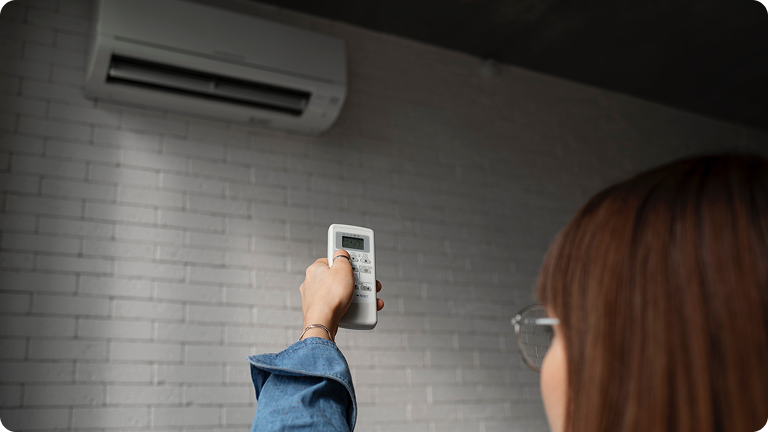
When the summer heat hits, you need an air conditioning system you can rely on. At Jim's Air Systems, we specialize in keeping your home cool and comfortable. Whether you need an emergency repair, a seasonal tune-up, or a brand new high-efficiency air conditioner, our family is here to help.
Our Air Conditioning Services include

AC Repair
We service all makes and models, quickly diagnosing and fixing any issue.
AC Installation & Replacement
Get a perfectly sized, high-efficiency system with our owner-led design and installation process.
AC Maintenance
Prevent breakdowns and improve efficiency with our comprehensive AC tune-ups.
Signs You Needs AC Service
.svg)

Frequently Asked Questions

We recommend having your air conditioning system professionally serviced once a year, ideally in the spring, to ensure it's ready for the summer heat.
Yes! Jim’s Air Systems is a family-owned and operated business. We take pride in delivering honest, reliable service and treating our customers like family, with a strong focus on quality workmanship and long-term relationships.
A trained, licensed HVAC professional from Jim’s Air Systems will visit your home for the estimate. Our technician will assess your needs, answer your questions, and provide a clear, upfront estimate with no pressure or hidden fees.
Ready for a Cooler, More Comfortable Home?
Whether you need an emergency repair or a free estimate on a new, energy-efficient air conditioner, our family is ready to provide honest advice and expert service. Contact us today!