
Improving Indoor Air Quality - Quick and Trusted Services
Experiencing allergies or breathing issues at home? Let's assess and enhance the air quality in your living spaces swiftly and effectively; contact us today to schedule your comprehensive air analysis or to discuss financing options. Residents in Fremont are increasingly concerned about the invisible contaminants circulating within their ductwork and living spaces, requiring immediate professional intervention.
We provide rapid solutions to secure your home environment:
- Immediate scheduling of home assessments to keep your environment safe.
- Certified and licensed technicians ensuring high standards of service.
- Comprehensive solutions from testing to improvement implementations.
- Backed by local licenses and comprehensive warranties for every service.
When indoor pollutants accumulate, the comfort and safety of your home are compromised. Jims Air Systems addresses these concerns head-on by deploying advanced diagnostic tools and remediation equipment designed to neutralize threats ranging from particulate matter to biological contaminants.
Immediate Solutions for Healthier Living Environments
Addressing poor indoor air quality requires a multi-faceted approach that goes beyond simple filtration. When you request service today, the focus is on identifying the specific pollutant load in your home and implementing the correct technology to neutralize it. Modern homes are built to be airtight for energy efficiency, but this often traps contaminants inside, creating a concentration of pollutants that can be significantly higher than outdoor air.
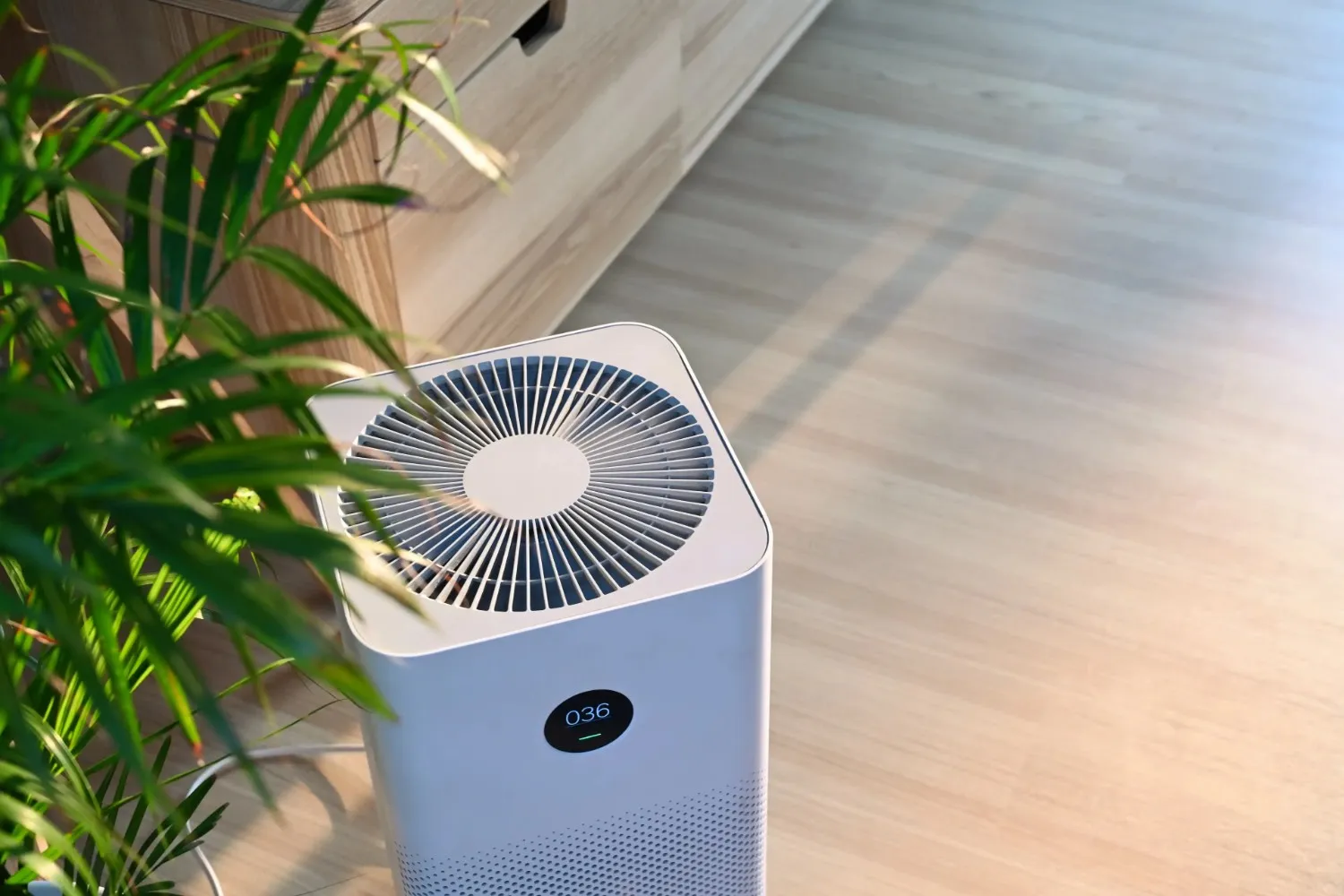
Upon arrival, the scope of service involves a thorough investigation of the HVAC system, ductwork, and airflow patterns. The objective is to determine whether the issue stems from inadequate ventilation, high humidity, internal pollutant sources, or infiltration from outside. Once the root cause is identified, specific hardware solutions are selected to integrate directly with your existing heating and cooling infrastructure.
Whole-Home Air Purification Capabilities
Unlike portable units that only treat a single room, whole-home solutions are installed directly into the central HVAC system. This ensures that every cubic foot of air circulating through the house is treated.
- Media Air Cleaners: These high-efficiency filters capture a vast percentage of airborne particles, including dust, pollen, and pet dander. They possess a much larger surface area than standard one-inch filters, allowing for better airflow and longer service life.
- Ultraviolet (UV) Germicidal Lights: Installed within the ductwork or near the evaporator coil, these lights emit UV-C energy that neutralizes biological contaminants. This is particularly effective against mold spores, bacteria, and viruses that thrive in the dark, damp environments of an HVAC system.
- Oxidation Systems: Some advanced systems utilize oxidation technology to neutralize Volatile Organic Compounds (VOCs), odors, and chemical vapors. This is essential for homes with new carpet, fresh paint, or high usage of cleaning chemicals.
Ventilation and Humidity Control
Balancing humidity and fresh air intake is a critical component of the service. In a climate with distinct wet and dry seasons, managing moisture levels prevents mold growth during winter and dry, irritated airways during summer.
- Energy Recovery Ventilators (ERVs) and Heat Recovery Ventilators (HRVs): These mechanical ventilation systems exchange stale indoor air with fresh outdoor air without sacrificing energy efficiency. They transfer heat (and moisture, in the case of ERVs) between the incoming and outgoing air streams, keeping the home comfortable while flushing out pollutants.
- Whole-Home Dehumidifiers: During the wetter months, excess moisture can lead to mold proliferation. A dedicated dehumidifier works in conjunction with the air conditioner to maintain optimal humidity levels, reducing the load on the cooling system and inhibiting mold growth.
- Humidifiers: Conversely, during dry periods, adding moisture prevents damage to wood furnishings and alleviates respiratory discomfort.
The Assessment and Installation Workflow
Professional intervention follows a strict protocol to ensure that the solutions implemented effectively resolve the specific air quality issues present in the home. This process moves from diagnosis to physical installation and final verification.
- Initial Diagnostic Testing: The process begins with advanced air sampling. Technicians use laser particle counters and hygrometers to measure particulate levels, humidity, and temperature. Inspections of the ductwork are conducted to check for leaks, accumulated debris, or biological growth.
- Customized Strategy Development: Based on the data collected, a tailored plan is proposed. This may involve a combination of better filtration, UV treatment, and ventilation upgrades. The proposal outlines exactly where equipment will be installed and how it will interface with the current HVAC setup.
- System Integration and Installation: Certified installers cut into the supply or return plenums to mount air purifiers, humidifiers, or ventilators. Electrical connections are made according to local building codes, often requiring dedicated circuits for high-powered units like steam humidifiers.
- Sealing and Calibration: Once the hardware is in place, duct connections are sealed with mastic or foil tape to prevent air leakage. The system is then calibrated to ensure it operates in sync with the furnace and air conditioner, activating only when airflow is present or when sensors detect a need.
- Final Verification and Walkthrough: After installation, the system is tested to verify operation. Technicians re-test air quality metrics to establish a baseline for improvement and demonstrate how to operate the new controls and when to perform maintenance, such as filter changes or bulb replacements.
Retrofitting vs. New System Integration
Homeowners often face the decision of whether to retrofit their current HVAC system with air quality add-ons or to wait until a full system replacement is necessary. Making the right choice depends on the age of the current equipment, the severity of the health concerns, and the physical condition of the ductwork.
When to Retrofit Existing Systems
Retrofitting is the most common approach and is highly effective for systems that are in good mechanical condition.
- Urgent Health Needs: If occupants are currently suffering from severe allergies or respiratory issues, waiting for a full HVAC replacement is not an option. Installing a high-efficiency media filter or UV light immediately can provide necessary relief.
- Recent HVAC Installation: If the furnace and AC are less than ten years old, they likely have many years of service left. Adding IAQ components protects this investment by keeping the internal coils clean and efficient.
- Budgetary Constraints: Retrofitting allows for incremental improvements. A homeowner might start with upgraded filtration and add ventilation or UV treatment later as the budget permits.
When to Opt for System Overhaul
In some scenarios, patching new technology onto an old system yields diminishing returns.
- Compromised Ductwork: If the duct system in the Fremont home is leaking significantly, undersized, or internally lined with mold, cleaning or retrofitting may not suffice. In these cases, duct renovation or replacement is required to ensure the air quality equipment can function correctly.
- Obsolete HVAC Equipment: Very old furnaces may not have the blower power required to push air through dense, high-efficiency filters (MERV 13 or higher). Trying to force high-restriction filtration on a weak motor can cause system failure. In this instance, replacing the air handler with a variable-speed unit capable of managing static pressure is the superior choice.
- Integrated Design Benefits: Modern "communicating" HVAC systems have built-in algorithms to manage air quality accessories automatically. Installing a complete system allows the thermostat to monitor filter life, humidity, and ventilation rates seamlessly, offering a level of control that retrofitted systems cannot always match.
Regional Factors Impacting Air Quality
The local climate and environmental conditions in the Bay Area play a significant role in determining the right air quality strategy. The Mediterranean climate features wet, mild winters and hot, dry summers, each presenting unique challenges for indoor environments.
- Wildfire Smoke and Particulates: During the dry season, the risk of wildfire smoke infiltrating homes is a major concern. Standard fiberglass filters are ineffective against the microscopic particles in smoke (PM2.5). Residents require HEPA-grade filtration or high-MERV media filters capable of trapping these fine particulates to maintain a breathable indoor environment during fire season.
- Winter Humidity and Mold: The rainy season brings elevated humidity levels. If a home lacks proper ventilation or drainage, this moisture can become trapped, leading to mold growth on windowsills, in basements, and inside ductwork. Dehumidification strategies are essential during these months to keep relative humidity below the threshold where mold thrives.
- Pollen and Allergens: The region’s lush vegetation contributes to high pollen counts in the spring and fall. Homes relying on natural ventilation (open windows) during these mild periods often invite massive amounts of allergens indoors. Mechanical ventilation (ERVs) allows for fresh air exchange without bringing in the pollen, as the incoming air passes through the system's filters first.
- Regulatory and Permitting Considerations: Work performed on HVAC systems, including the addition of electrical components for UV lights or hardwired humidifiers, must adhere to local building codes and Title 24 energy standards. Electrical circuits must be properly sized, and any alteration to the ductwork often requires a HERS (Home Energy Rating System) test to ensure leakage does not exceed allowable limits. Professional providers handle the permitting process to ensure all installations meet strict state and local safety requirements.
Technical Precision and Certified Results
Achieving superior indoor air quality is a technical discipline that requires an understanding of building science, airflow dynamics, and pollutant behavior. Relying on off-the-shelf products often leads to disappointment because they fail to address the holistic nature of the home’s atmosphere.
Professional service providers utilize industrial-grade equipment that is not available at big-box stores. For example, the UV lights used in professional installations are significantly more powerful than consumer-grade models, providing the intensity required to kill pathogens in a moving air stream. Similarly, professional filtration systems are designed to minimize pressure drop, ensuring that the enhanced filtration does not suffocate the furnace or air conditioner.
Furthermore, correct sizing is paramount. A dehumidifier that is too small will run constantly without reaching the setpoint, wasting energy. A ventilation system that is too large can depressurize the house, drawing in dangerous sewer gases or radon. Experienced technicians calculate the precise requirements based on the square footage and volume of the home, ensuring efficient and safe operation.
When you choose Jims Air Systems, you are choosing a scientific approach to comfort. The focus remains on measurable improvements—lower particle counts, controlled humidity, and the elimination of odors.
Identify Hidden Pollutants and Secure Cleaner Indoor Air Now
Investing in professional air quality services is an investment in the long-term health of the home’s occupants and the longevity of its mechanical systems. Take control of the air you breathe. Schedule a professional assessment today to identify pollutants and implement a lasting solution for your home.

Your Trusted Local AC Experts
When the summer heat hits, you need an air conditioning system you can rely on. At Jim's Air Systems, we specialize in keeping your home cool and comfortable. Whether you need an emergency repair, a seasonal tune-up, or a brand new high-efficiency air conditioner, our family is here to help.
Our Air Conditioning Services include

AC Repair
We service all makes and models, quickly diagnosing and fixing any issue.
AC Installation & Replacement
Get a perfectly sized, high-efficiency system with our owner-led design and installation process.
AC Maintenance
Prevent breakdowns and improve efficiency with our comprehensive AC tune-ups.
Signs You Needs AC Service
.svg)
Ready for a Cooler, More Comfortable Home?
Whether you need an emergency repair or a free estimate on a new, energy-efficient air conditioner, our family is ready to provide honest advice and expert service. Contact us today!