
Indoor Air Quality in San Ramon, CA
Struggling with allergies or respiratory issues in San Ramon? Our indoor air quality services include expert diagnostics, purification, and humidity control to ensure your home's air is healthy. Contact us today!
Is Poor Indoor Air Quality Affecting Your Health?
Are you experiencing continual allergies, respiratory issues, or discomfort in your home? San Ramon's unique climate could be impacting your indoor air quality, requiring specialized intervention to ensure a safe breathing environment for your family. Contact us today to schedule a comprehensive air quality assessment or to learn about our flexible financing options. Jims Air Systems provides professional diagnostics and installation services designed to neutralize airborne contaminants and regulate humidity levels effectively.
- Expert assessment and rapid improvement of your home's air quality.
- Custom solutions for dust, pollen, and allergen management tailored to our climate.
- Advanced filtration and purification systems, professionally installed.
All services are fully licensed with industry-leading warranties and flexible financing options.
Comprehensive Solutions for Cleaner Home Environments
Improving the air inside your home involves more than standard filtration; it requires a multi-layered approach to address particulates, biological growth, and chemical vapors. Homeowners in San Ramon often face a combination of seasonal allergens and pollutants that standard HVAC filters cannot capture. A professional indoor air quality strategy integrates advanced hardware directly into your existing heating and cooling system to treat the air as it circulates.
One of the primary components of a clean air system is high-efficiency media filtration. Unlike standard one-inch filters found in most returns, media air cleaners are much thicker and densely pleated. This design allows them to capture significantly smaller particles, including pet dander, mold spores, and fine dust, without restricting airflow to the furnace or air conditioner. Higher MERV (Minimum Efficiency Reporting Values) ratings on these filters indicate their ability to trap microscopic contaminants that often trigger asthma and allergy symptoms.
Beyond particle filtration, air purification technology addresses biological threats and odors. Ultraviolet (UV) germicidal lights are commonly installed within the ductwork or near the evaporator coil. These lights emit a specific wavelength of UV energy that neutralizes bacteria, viruses, and mold spores on contact. This prevents organic growth from accumulating on the damp surfaces of your HVAC coil, which is a common source of "dirty sock" syndrome and airborne spores.
For homes dealing with chemical sensitivity, activated carbon filtration is essential. Building materials, cleaning products, and modern furniture off-gas Volatile Organic Compounds (VOCs). While standard filters miss these gases, activated carbon absorbs them, neutralizing odors and reducing chemical exposure. Whole-home air purification systems often combine HEPA-grade filtration with carbon technology and UV lights to provide a complete defense against the three main categories of indoor pollutants: particulates, germs, and gases.
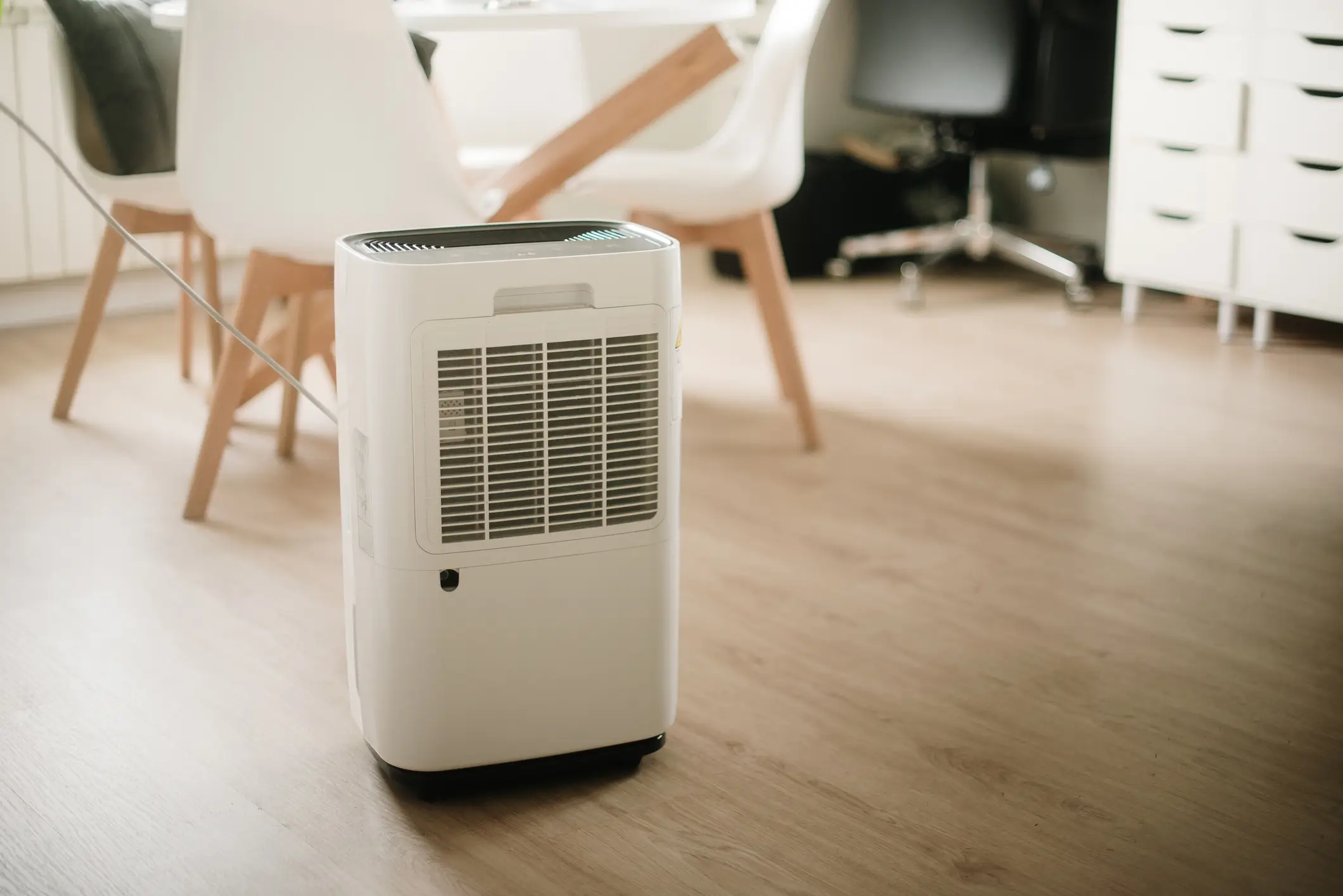
Humidity control is the final pillar of indoor air quality. Inconsistent humidity levels can damage wood flooring and furniture while creating breeding grounds for dust mites and mold. Whole-home humidifiers and dehumidifiers work in tandem with your thermostat to maintain optimal moisture levels, usually between 35% and 50%. This balance is crucial for respiratory health and preserving the structural integrity of the home.
The Indoor Air Quality Improvement Process
Implementing a whole-home air quality solution is a technical process that requires precise sizing and integration with your current HVAC infrastructure. The goal is to treat 100% of the air flowing through the system without creating static pressure issues that could damage your heating or cooling equipment.
- The process begins with a detailed evaluation of your current indoor environment. Technicians measure particulate levels, humidity, and airflow to identify specific pollutant sources. This diagnostic phase determines whether the primary issue is filtration, ventilation, or humidity control.
- Next, the appropriate equipment is selected based on the cubic footage of the home and the specific capacity of the blower motor. Installing a filter that is too restrictive for the system can cause equipment failure, so ensuring the static pressure remains within manufacturer specifications is a critical step in the design phase.
- During installation, technicians access the supply and return plenums of your HVAC system. For media cabinets, the ductwork is modified to accommodate the larger filter housing. If UV lights are being installed, they are positioned strategically to shine on the evaporator coil or in the supply duct to maximize exposure time to the air stream.
- Electrical connections are then integrated into the HVAC control board. This ensures that accessories like UV lights, humidifiers, or electronic air cleaners operate in sync with the blower fan. Hardwiring these components eliminates the need for external cords and ensures seamless, automatic operation.
- Following the physical installation, the system undergoes rigorous testing. Technicians verify that airflow remains unrestricted and that all purification units are powering on correctly. If a new thermostat or control module is part of the upgrade, it is programmed to manage the new accessories, allowing the homeowner to monitor air quality and humidity levels from a central interface.
- Finally, the workspace is cleaned, and the technician walks the homeowner through the maintenance requirements. This includes demonstrating how to change media filters, identifying when UV bulbs need replacement, and explaining how to adjust settings for different seasons.
Determining When to Upgrade Your Air Quality System
Deciding between maintaining existing equipment or investing in a whole-home upgrade depends on the severity of the air quality issues and the limitations of the current setup. While portable air purifiers can help in single rooms, they are often insufficient for addressing issues that affect the entire property. There are specific indicators that suggest a comprehensive, integrated solution is required.
- Persistent Respiratory Distress: If family members experience relief from allergies or asthma only when leaving the house, the indoor environment is likely the trigger. When symptoms persist despite regular cleaning and vacuuming, it indicates that the allergens are airborne and circulating through the ductwork. In these cases, upgrading to a whole-home filtration system is more effective than spot treatments.
- Visible Dust and Mold Growth: Rapid accumulation of dust on furniture shortly after cleaning suggests that the current filtration system is failing to capture airborne particulates. Similarly, visible mold growth around vents or a persistent musty odor indicates that humidity levels are uncontrolled or that mold is growing inside the HVAC system. This requires immediate intervention with UV technology and humidity control systems rather than simple cleaning.
- Stale Air and Odors: Modern homes in San Ramon are built to be energy efficient, which often means they are tightly sealed. While this lowers energy bills, it traps pollutants and CO2 inside. If the air feels stale or cooking odors linger for days, the home likely lacks adequate ventilation. Installing an Energy Recovery Ventilator (ERV) or Heat Recovery Ventilator (HRV) helps exchange stale indoor air with fresh outdoor air without losing energy, a capability that standard repairs cannot achieve.
- HVAC System Age and Efficiency: Older ductwork and HVAC units can accumulate decades of dust and debris. If you are replacing a furnace or air conditioner, it is the ideal time to retrofit the system with modern air quality accessories. Integrating these components during a system replacement is often more cost-effective than attempting to retrofit them later.
- Changes in Household Health: The arrival of a newborn, an elderly relative moving in, or a diagnosis of a compromised immune system often shifts the requirements for indoor air quality. The standard filtration that was once acceptable may no longer meet the health needs of the household. In these scenarios, moving from basic filtration to hospital-grade purification is a necessary step to protect vulnerable occupants.
Navigating San Ramon Climate Factors and Regulations
The local environment in San Ramon plays a significant role in how indoor air quality must be managed. The region features a Mediterranean climate characterized by distinct wet and dry seasons, each presenting unique challenges for homeowners trying to maintain a healthy indoor environment.
- Managing Winter Humidity: During the mild, wet winters, moisture levels can rise significantly. This excess humidity creates an ideal environment for mold and dust mites to thrive. Without proper dehumidification or ventilation strategies, this moisture can become trapped in the tight thermal envelopes of newer homes. Services must focus on keeping indoor humidity below thresholds that support biological growth while ensuring the air does not become uncomfortably dry when the heater runs frequently.
- Summer Dryness and Particulates: Conversely, the warm, dry summers bring low humidity and an increase in outdoor particulates. Pollen counts can spike, and in recent years, wildfire smoke has become a prevalent concern for California residents. Standard filters are often ineffective against the microscopic ash and smoke particles that can seep into a home. Jims Air Systems recommends high-efficiency filtration specifically rated to capture smoke particles (sub-micron size) to maintain breathability during fire season.
- Title 24 and Ventilation Standards: California’s Title 24 energy standards mandate specific ventilation requirements for residential properties. These codes are designed to ensure that as homes become tighter and more energy-efficient, they still receive adequate fresh air exchange. Professional installation ensures compliance with these rigorous state standards, utilizing mechanical ventilation systems that meet airflow rates without compromising energy efficiency.
- Ductwork Integrity: In many local homes, ductwork runs through unconditioned spaces like attics or crawlspaces. If these ducts leak, they can draw in dust, insulation fibers, and crawlspace air, distributing them throughout the living space. Assessing and sealing ductwork is often a prerequisite for installing advanced air quality equipment, ensuring that the air being purified is not immediately re-contaminated by leaks in the distribution system.
Why Homeowners Choose Professional Air Quality Services
There is a significant difference between buying a standalone air purifier and having a dedicated air quality system integrated into your home’s infrastructure. Professional service ensures that the solution is engineered for the specific volume and layout of the house, providing consistent protection in every room rather than just a localized area.
- Holistic Assessment: Professionals do not guess at the problem. Using advanced monitoring tools, technicians identify the exact pollutant load, whether it is CO2, VOCs, or particulates. This data-driven approach ensures that the money invested targets the actual problem rather than a perceived one.
- Proper Equipment Sizing: Air quality equipment must be matched to the airflow capacity of the HVAC system. An oversized filter can choke the system, leading to frozen coils or overheated heat exchangers. An undersized unit will fail to clean the air effectively. Professionals calculate the pressure drop and CFM (Cubic Feet per Minute) requirements to ensure the HVAC system runs efficiently while delivering maximum filtration.
- Long-Term Reliability: Integrated systems require less frequent maintenance than portable units. Whole-home media filters typically last 6 to 12 months, whereas portable units often require monthly changes. Professional installation guarantees that the equipment is accessible for maintenance and backed by manufacturer warranties that are often voided by DIY installation.
- Source Control vs. Symptom Management: While store-bought sprays and plug-ins mask odors, professional air quality systems eliminate the source. By removing the particulates and neutralizing the bacteria causing the odors, the home smells fresh because it is clean, not because it is perfumed. This approach reduces the chemical load in the home, which is better for long-term health.
Call Now
Ensuring the air inside your home is clean and safe is an investment in your long-term health and comfort. Whether dealing with seasonal allergies, wildfire smoke, or general humidity issues, the right system makes an immediate difference in quality of life. Jims Air Systems is ready to help you navigate the options and install a solution tailored to your specific needs.
Take the first step toward a healthier home environment by contacting us today to schedule your indoor air quality consultation.

Your Trusted Local AC Experts
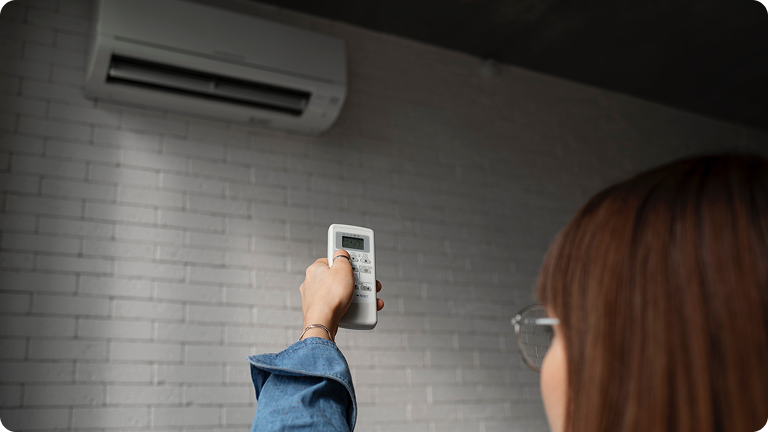
When the summer heat hits, you need an air conditioning system you can rely on. At Jim's Air Systems, we specialize in keeping your home cool and comfortable. Whether you need an emergency repair, a seasonal tune-up, or a brand new high-efficiency air conditioner, our family is here to help.
Our Air Conditioning Services include

AC Repair
We service all makes and models, quickly diagnosing and fixing any issue.
AC Installation & Replacement
Get a perfectly sized, high-efficiency system with our owner-led design and installation process.
AC Maintenance
Prevent breakdowns and improve efficiency with our comprehensive AC tune-ups.
Signs You Needs AC Service
.svg)
Ready for a Cooler, More Comfortable Home?
Whether you need an emergency repair or a free estimate on a new, energy-efficient air conditioner, our family is ready to provide honest advice and expert service. Contact us today!