
Is Your Heater Ready for the Season?
Are you experiencing unexpected heating failures or inefficiencies as the season changes? You're not alone—many residents in the San Ramon area face these disruptive issues as temperatures fluctuate between the mild days and chilly nights. Contact us today to schedule a comprehensive inspection or discuss financing options for necessary system upgrades.
Neglecting your heating system often results in higher utility bills, reduced comfort, and the risk of a complete breakdown during the coldest weeks of the year. Jims Air Systems provides the technical expertise required to ensure your furnace or heat pump operates at peak performance when you need it most:
- Get swift, expert assessments usually within 24 hours.
- Benefit from comprehensive maintenance that extends your system's life.
- Enjoy transparent pricing with no hidden fees.
All services are performed by licensed professionals with robust warranty options to ensure peace of mind.
What You Get Today: Scope and Inclusions of Professional Maintenance
Heating maintenance is often mistaken for a simple cleaning, but a true professional tune-up involves a rigorous mechanical and electrical inspection. The goal is to return the unit to manufacturer specifications, ensuring safety and efficiency. When you book a service, you are paying for a certified technician to systematically analyze the health of your HVAC equipment:

The Safety Inspection
Safety is the primary driver for heating maintenance. Gas furnaces, in particular, involve the combustion of fuel, which produces carbon monoxide.
- Heat Exchanger Analysis: Technicians inspect the heat exchanger for cracks or fissures. Even a hairline crack can allow exhaust gases to mix with the indoor air supply, posing a severe health risk.
- Gas Line and Valve Check: The connections leading to the unit are tested for leaks. The gas valve is calibrated to ensure the pressure entering the burners matches the manufacturer's requirements.
- Limit Switch Testing: The high-limit switch is a safety device that shuts the blower down if the temperature inside the furnace gets too hot. Testing this switch ensures the system prevents itself from overheating and causing fire hazards.
- Carbon Monoxide Detection: A final ambient air test confirms that the unit is venting properly and that no dangerous gases are present in the living space.
Performance Calibration
Beyond safety, the system must run efficiently to keep energy costs low.
- Thermostat Calibration: The thermostat is checked to ensure it reads the room temperature accurately. Miscalibration leads to "short cycling," where the heater turns on and off too frequently, wearing out components.
- Blower Motor Amp Draw: We measure the electrical amperage drawn by the blower motor. If the motor is drawing too many amps, it is working too hard, often due to friction or a failing capacitor.
- Igniter and Pilot Light Inspection: For modern systems, the hot surface igniter is tested for resistance. For older systems, the pilot assembly is cleaned to ensure a strong, blue flame rather than a weak, yellow one.
- Airflow Measurement: Proper static pressure is vital. If airflow is restricted, the heat exchanger can overheat. Technicians check the filter and ductwork connections to ensure air moves freely throughout the home.
The Maintenance Execution Process
Understanding how the maintenance visit flows helps homeowners prepare and know what to expect. This is a technical process designed to be non-intrusive yet thorough.
- Initial Assessment and System Run: The technician arrives and immediately initiates a conversation about any specific comfort issues you have noticed, such as cold spots in certain rooms or strange noises. The system is then turned on to monitor its startup sequence.
- Power Down and Interior Access: Electrical power and gas supplies to the unit are shut off for safety. The service panels are removed to expose the blower, burners, and controls.
- Deep Cleaning: Dust and debris are the enemies of heating equipment. The burners are brushed and vacuumed to remove soot that interferes with combustion. The blower wheel is cleaned to maximize air movement.
- Electrical Tightening: Vibrations from normal operation can loosen electrical connections over time. Loose wires cause resistance and heat, leading to burnt-out connections. Every wire and terminal is tightened.
- Lubrication: If the system has older motors with oil ports, they are lubricated to reduce friction. Most modern motors are permanently sealed, but the bearings are checked for play or noise.
- Reassembly and Final Testing: Once the internal work is done, the system is reassembled. Power is restored, and the system is run through a full heating cycle to verify that ignition, combustion, and blower operation are synchronized.
- Reporting: You receive a detailed report of the findings. If a component is near the end of its lifecycle—such as a weak capacitor or a worn belt—it is noted so you can decide whether to replace it proactively or monitor it.
When To Replace vs. Repair: A Decision Guide
During a maintenance visit, a technician may uncover issues that go beyond a simple tune-up. Determining whether to repair a specific part or replace the entire heating unit is a financial and practical decision. This choice usually hinges on age, cost of repair, and future efficiency.
- The 50% Rule: A common industry benchmark is the 50% rule. If the cost of the repair approaches 50% of the value of a new system, replacement is generally the smarter financial move. Investing heavy capital into an aging asset often yields diminishing returns.
- Equipment Age: The average lifespan of a furnace in the San Ramon area is between 15 and 20 years. If your unit is over 15 years old and requires a major component replacement—like a blower motor or control board—it is often better to put that money toward a modern, high-efficiency unit.
- Frequency of Breakdowns: If you have required repairs more than twice in the last two years, the system is signaling that it is failing. Maintenance can prolong life, but it cannot reverse the cumulative wear of decades.
- Safety Critical Failures: If the heat exchanger is cracked, the decision is almost always to replace the unit immediately. Repairing a heat exchanger is labor-intensive and expensive, and because it is a critical safety component, replacement ensures a fresh warranty and guaranteed safety.
- Efficiency Ratings: Older furnaces may operate at 60% to 70% AFUE (Annual Fuel Utilization Efficiency). Modern units operate at 95% or higher. Upgrading can reduce monthly heating bills significantly, offsetting the cost of installation over time.
Local Considerations for San Ramon Residents
Heating needs in California’s Bay Area are unique due to the specific Mediterranean climate and local building codes. San Ramon experiences wet winters with lows dipping into the 30s and 40s. While it rarely freezes for long periods, the humidity combined with cold temperatures creates a specific type of demand on heating systems:
Impact of Moisture and Seasonality
The rainy season, typically peaking between November and March, introduces moisture that can impact HVAC components.
- Rust and Corrosion: Outdoor heat pump units or furnaces located in unconditioned spaces (like garages or attics) are susceptible to oxidation. Maintenance checks specifically look for rust on electrical contacts and cabinet panels which can compromise structural integrity.
- Mold Growth: The transition from dry summers to wet winters can encourage mold growth in ductwork if not properly inspected. Ensuring the condensate drain line (for condensing furnaces) is clear is vital to prevent water backup and biological growth.
- Start-Up Strain: After a long, hot summer where the AC ran constantly, the heater often sits dormant. The first start-up in late autumn places significant strain on the igniter and capacitor. Pre-season maintenance mitigates the shock of this transition.
Permitting and Regional Codes
Local regulations in the East Bay play a role in how heating services are delivered.
- Title 24 Compliance: California’s energy code (Title 24) is strict regarding duct sealing and airflow. If maintenance reveals significant duct leakage, repairs may be necessary not just for comfort, but to remain compliant with state energy standards, especially if you plan to sell the home or upgrade equipment later.
- NOx Emissions: The Bay Area Air Quality Management District has specific rules regarding Nitrogen Oxide (NOx) emissions for furnaces. Jims Air Systems technicians are trained to ensure your equipment meets these local environmental standards.
- Utility Rebates: Regional utility providers often offer rebates for upgrading to high-efficiency heat pumps or furnaces. Regular maintenance records are sometimes required to verify the baseline efficiency of your current system before you qualify for upgrade incentives.
The Hidden Value of Routine Tune-Ups
Many homeowners view maintenance as an optional expense, but it is actually an investment in asset protection. The heating system is likely one of the most expensive appliances in your home. Protecting that investment requires diligence:
- Warranty Preservation: Most major HVAC manufacturers explicitly state in their warranty terms that coverage is contingent upon regular professional maintenance. If a part fails under warranty but you cannot prove the system was maintained, the manufacturer may deny the claim, leaving you with the bill for parts and labor.
- Energy Conservation: A neglected system has to work harder to achieve the set temperature. A dirty filter, clogged blower wheel, or restricted coil increases the energy load. Cleaning these components restores the system to its intended efficiency, keeping monthly operational costs in check.
- Catastrophic Failure Prevention: Small parts, such as a capacitor or a flame sensor, are inexpensive to replace during a tune-up. If these parts fail completely during a cold snap, they can cause a chain reaction that damages more expensive components, such as the compressor or the control board.
- Improved Indoor Air Quality: Your heating system circulates air throughout the entire house. If the interior of the furnace is dirty, that dust and particulate matter are cycled into the rooms you occupy. Maintenance ensures the lungs of your home are clean.
Why Choose Jims Air Systems
Choosing the right heating service provider matters just as much as maintaining the system itself. Experience, technical standards, and transparency directly impact the safety, efficiency, and lifespan of your equipment:
- Local expertise: Deep understanding of San Ramon’s climate, housing styles, and regional HVAC requirements.
- Certified technicians: Fully licensed professionals trained to service both furnaces and heat pumps to manufacturer specifications.
- Diagnostic-first approach: Maintenance and recommendations are based on measurable system data, not assumptions.
- Clear communication: Findings are explained in plain language so you can make informed decisions without pressure.
- Transparent pricing: Upfront costs with no hidden fees or surprise add-ons.
- Timely service: Prompt scheduling and efficient visits designed to respect your time and routine.
Securing Your Comfort for the Winter
A heating system is complex machinery that demands respect and attention. The shift in weather brings a shift in mechanical requirements, and being unprepared can lead to uncomfortable nights and expensive emergency calls. By prioritizing maintenance, you ensure that your home remains a sanctuary against the cold and damp weather typical of the region.
Whether your system is five years old or fifteen, the attention of a skilled technician improves safety, efficiency, and longevity. Do not wait for the first freeze to discover a problem. Take control of your home’s climate and ensure your equipment is operating safely and reliably.
Schedule your professional heating maintenance today to guarantee warmth and peace of mind throughout the season.
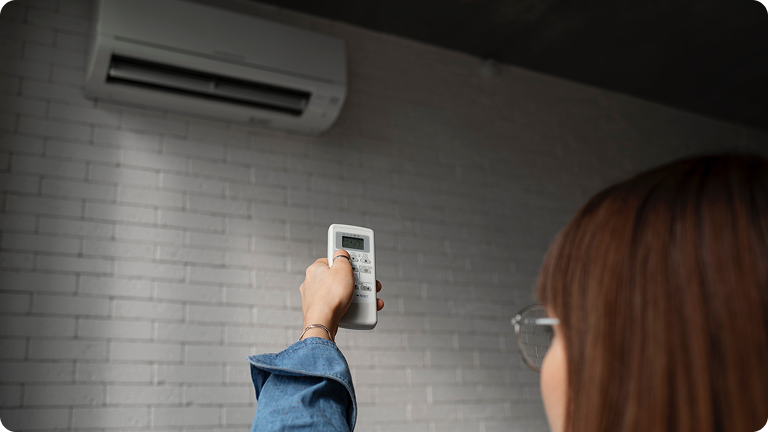

Your Trusted Local AC Experts
When the summer heat hits, you need an air conditioning system you can rely on. At Jim's Air Systems, we specialize in keeping your home cool and comfortable. Whether you need an emergency repair, a seasonal tune-up, or a brand new high-efficiency air conditioner, our family is here to help.
Our Air Conditioning Services include

AC Repair
We service all makes and models, quickly diagnosing and fixing any issue.
AC Installation & Replacement
Get a perfectly sized, high-efficiency system with our owner-led design and installation process.
AC Maintenance
Prevent breakdowns and improve efficiency with our comprehensive AC tune-ups.
Signs You Needs AC Service
.svg)
Ready for a Cooler, More Comfortable Home?
Whether you need an emergency repair or a free estimate on a new, energy-efficient air conditioner, our family is ready to provide honest advice and expert service. Contact us today!