
Prevent System Failure Before the Heat Spikes
Is your HVAC system failing to maintain a comfortable temperature just when you need it most? You are not alone—many San Ramon residents face sudden issues with heating or cooling efficiency when seasons shift, but immediate professional attention can restore your comfort. Contact us or apply for financing to secure your appointment today.
Jims Air Systems provides comprehensive maintenance solutions designed to catch small issues before they become expensive breakdowns. Without regular intervention, minor wear and tear on your furnace or air conditioner can lead to catastrophic failure, leaving your home uncomfortable and your energy bills skyrocketing. We prioritize restoring your system to factory specifications, ensuring consistent airflow and temperature control throughout your property.
- Rapid response teams are available to address performance drops and emergency service needs within hours.
- Comprehensive annual maintenance plans are designed to prevent unexpected breakdowns and significantly extend system life.
- Transparent pricing structures ensure you understand the scope of work and costs upfront, with no hidden fees.
All services come with a comprehensive labor warranty and are performed by NATE-certified technicians who understand the specific demands of local architecture and climate.
Immediate Solutions for Common HVAC Issues
Homeowners often ignore subtle signs of HVAC distress until the system stops working entirely. However, addressing these symptoms immediately is the most cost-effective way to manage your climate control. High-intent indicators usually suggest that specific components within the unit are struggling to operate under load.
One of the most frequent issues is uneven heating or cooling. If one room feels like a freezer while another is stagnant, it often indicates blocked vents, leaky ductwork, or a failing blower motor. Maintenance directly addresses this by balancing the airflow and sealing leaks that allow conditioned air to escape into attics or crawl spaces.
Another critical sign is unusual noise. Grinding, squealing, or rattling sounds are not normal operation; they are mechanical distress signals. A squealing noise often points to a slipped or worn belt, while a grinding sound may indicate motor bearings that have lost lubrication. Immediate maintenance involves lubricating moving parts and tightening loose components to prevent friction damage that ruins motors.
Unexpected spikes in energy bills also serve as a red flag. If your usage hasn't changed but your bill has increased, the system is working harder than necessary to maintain the set temperature. This inefficiency is frequently caused by dirty coils or clogged filters restricting airflow. Professional cleaning of the evaporator and condenser coils removes layers of dust and debris, allowing for efficient heat exchange and lowering energy consumption immediately.

Our HVAC Services: What to Expect and When
Effective maintenance is not just a visual inspection; it is a rigorous, multi-point tune-up of your system’s mechanical and electrical components. When you schedule service in San Ramon, the goal is to return the unit to peak efficiency.
Cooling System Maintenance Scope
- Refrigerant Charge Check: Technicians measure refrigerant levels to ensure they match manufacturer specifications. Low levels indicate a leak that must be repaired, while high levels can damage the compressor.
- Coil Cleaning: The condenser and evaporator coils are chemically cleaned to remove dirt, pollen, and debris that act as insulation and prevent the system from cooling the air.
- Condensate Drain Inspection: The drain line is flushed to prevent clogs that can cause water damage to your home or high humidity levels indoors.
- Electrical Component Testing: Capacitors and contactors are tested for proper voltage and amperage. Worn electrical parts are the leading cause of compressor failure during heatwaves.
Heating System Maintenance Scope
- Heat Exchanger Analysis: This is a critical safety check. Technicians inspect the heat exchanger for cracks which could allow carbon monoxide to leak into the living space.
- Burner Assembly Cleaning: Dirty burners result in incomplete combustion, soot buildup, and reduced heating efficiency. These are removed and cleaned.
- Ignition System Testing: Whether your system uses a pilot light or electronic ignition, it is tested to ensure reliable startup without delayed ignition or "rollout."
- Flue Draft Inspection: The venting system is checked to ensure that toxic exhaust gases are safely exiting your home and not back-drafting.
Your Guide to HVAC System Maintenance
Understanding the process of a professional maintenance visit helps homeowners prepare and know what to look for in a quality service provider. The process follows a logical sequence to ensure safety and thoroughness.
- First, the technician performs a site survey. This involves discussing any specific comfort issues you have noticed, such as humidity problems or specific rooms that are difficult to heat or cool.
- Next, the system is powered down for safety. The technician opens the access panels to inspect the internal wiring and control board. Loose connections are tightened, and charred wires are replaced to prevent electrical fires.
- Following the electrical check, the mechanical inspection begins. For air conditioners, this involves checking the fan blades for balance and the motor for smooth rotation. For furnaces, the blower assembly is inspected for dust buildup.
- Then, the cleaning phase occurs. This is where filters are replaced, coils are washed, and drain pans are cleared of standing water or algae growth.
- Once cleaned and reassembled, the system is powered back on for the operational test. The technician measures the "temperature split"—the difference in temperature between the air entering the return vent and the air leaving the supply vents. This data point confirms whether the system is heating or cooling effectively.
- Finally, you receive a detailed status report. This document outlines exactly what was done, the current health of your system, and any recommendations for proactive repairs to avoid future failure.
Deciding Between Repair and Replacement: What You Need to Know
A common dilemma for homeowners is knowing when to stop repairing an aging unit and invest in a replacement. Making this decision requires a logical evaluation of age, cost, and efficiency.
The 50% Rule
A standard industry benchmark is the 50% rule. If the cost of the necessary repair approaches 50% of the value of a new system, replacement is generally the smarter financial move. Investing heavy capital into a dying system rarely yields a return on investment.
Age of the Equipment
HVAC systems generally last between 10 and 15 years. If your heat pump or air conditioner is over 10 years old and requires a major repair (such as a compressor replacement), it is often better to replace it. Newer units utilize advanced refrigerants and variable-speed technology that older units lack. Jims Air Systems can help evaluate the remaining useful life of your specific model.
Frequency of Breakdowns
If you have required service calls more than twice in the last year, the system is becoming unreliable. Constant repairs add up quickly, often exceeding the monthly cost of financing a new, high-efficiency unit.
Efficiency Ratings (SEER/AFUE)
Older units may have SEER ratings of 10 or 12, whereas modern standards require 14 or higher, with high-efficiency units reaching over 20 SEER. Upgrading from a 10 SEER to a 16 SEER unit can reduce cooling costs by significantly reducing energy consumption. Similarly, moving from an 80% AFUE furnace to a 96% AFUE model means 16% less gas is wasted during combustion.
Understanding San Ramon’s HVAC Needs: Permits and Seasonal Tips
The local climate and regulatory environment play a massive role in how HVAC systems should be maintained. The Mediterranean climate, characterized by warm, dry summers and mild, wet winters, creates specific stress points for climate control equipment.
Seasonal Maintenance Strategy
- Spring Preparation: Because summers are dry and dusty, air conditioner coils accumulate significant debris. Spring maintenance must focus on high-pressure cleaning of the outdoor condenser to ensure airflow is not restricted during July and August heat.
- Fall Preparation: Winters bring moisture. Fall maintenance should prioritize checking the furnace flue and ventilation to ensure that moisture isn't causing rust or corrosion within the heating unit.
- Filter Frequency: During the fire season or periods of high pollen, standard 3-month filter changes may not be enough. Monthly checks are recommended to maintain indoor air quality and protect the blower motor from strain.
Permits and Regulations
California maintains some of the strictest energy codes in the country, specifically Title 24.
- When replacing equipment or ductwork, permits are required to ensure the installation meets safety and efficiency standards.
- Duct leakage testing is often mandatory during system alterations to ensure conditioned air isn't being wasted.
- Local utility providers often offer rebates for upgrading to high-efficiency heat pumps or furnaces, but these rebates typically require proof of maintenance or installation by licensed contractors.
Why Choose Us: Our Commitment to Quality and Community
Selecting a service provider is about trust and technical competence. You need a team that understands the technical complexities of modern HVAC equipment and the specific challenges of the local housing stock.
- Licensed and Insured Professionals: We do not use subcontractors. Every technician is fully background-checked, drug-tested, and licensed to work in California. This protects your property and ensures liability coverage.
- Technical Expertise: Our team undergoes continuous training to stay updated on the latest HVAC technologies, including variable refrigerant flow (VRF) systems and smart thermostat integration.
- Inventory Availability: Service trucks are stocked with common parts to maximize the chances of a fix on the first visit, respecting your time and restoring comfort faster.
- Warranty Protection: We stand behind our work with robust warranties on both parts and labor. If a repair fails within the warranty period, we make it right at no cost to you.
Proper maintenance is an investment in your home’s value and your family’s comfort. Don't wait for a total system failure to act.
Call Us Now
Secure the longevity of your heating and cooling system today. Click here to schedule your comprehensive maintenance service.
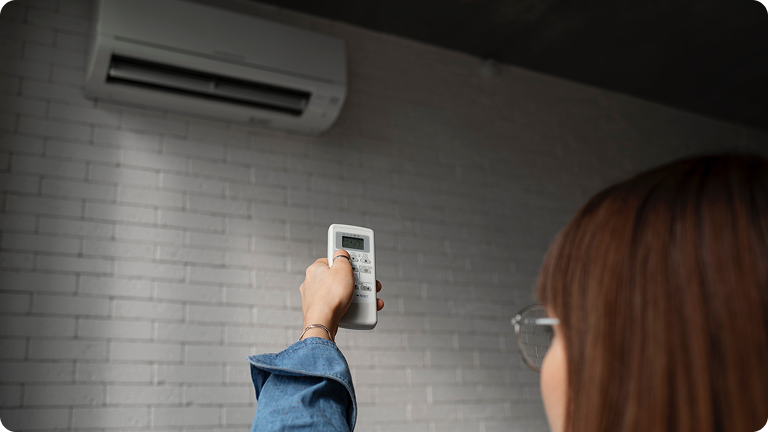

Your Trusted Local AC Experts
When the summer heat hits, you need an air conditioning system you can rely on. At Jim's Air Systems, we specialize in keeping your home cool and comfortable. Whether you need an emergency repair, a seasonal tune-up, or a brand new high-efficiency air conditioner, our family is here to help.
Our Air Conditioning Services include

AC Repair
We service all makes and models, quickly diagnosing and fixing any issue.
AC Installation & Replacement
Get a perfectly sized, high-efficiency system with our owner-led design and installation process.
AC Maintenance
Prevent breakdowns and improve efficiency with our comprehensive AC tune-ups.
Signs You Needs AC Service
.svg)

Frequently Asked Questions

We recommend having your air conditioning system professionally serviced once a year, ideally in the spring, to ensure it's ready for the summer heat.
Yes! Jim’s Air Systems is a family-owned and operated business. We take pride in delivering honest, reliable service and treating our customers like family, with a strong focus on quality workmanship and long-term relationships.
A trained, licensed HVAC professional from Jim’s Air Systems will visit your home for the estimate. Our technician will assess your needs, answer your questions, and provide a clear, upfront estimate with no pressure or hidden fees.
Ready for a Cooler, More Comfortable Home?
Whether you need an emergency repair or a free estimate on a new, energy-efficient air conditioner, our family is ready to provide honest advice and expert service. Contact us today!