
Is Your Heating System Failing When You Need It Most?
Experiencing inconsistent temperatures at home or facing a complete system breakdown during a cold snap creates immediate stress and safety concerns for your family. You need fast, reliable heating services tailored to your specific home layout and usage patterns, handled by Jims Air Systems without unnecessary delays. Contact us today to secure a priority appointment or to inquire about our available financing options for new installations:
- Expert diagnosis and quick resolution of airflow and ignition issues.
- Certified technicians equipped to handle emergency replacements and repairs.
- Transparent cost estimates provided before any work begins.
All services come with industry-leading warranties and flexible financing options to ensure your home comfort is restored without financial strain.
Immediate Solutions for Unreliable Heating Performance
When your heating system falters, time is often the most critical factor. Homeowners in this region cannot afford to wait days for a technician when temperatures drop. The immediate focus of a professional visit is to stabilize the environment and determine the root cause of the failure. Whether the issue stems from a cracked heat exchanger, a failed pilot light, or a malfunctioning blower motor, the goal is to restore heat safely and efficiently.
Upon arrival, a licensed technician performs a comprehensive assessment of the entire HVAC system. This is not a cursory glance; it involves testing the thermostat calibration, inspecting the electrical connections, and analyzing the combustion process in gas furnaces. If the system is a heat pump, refrigerant levels and reversing valves are checked for proper operation. The objective is to provide you with a clear, honest report on the status of your equipment immediately following the inspection.
Modern heating service goes beyond just swapping out parts. It involves checking the integrity of the ductwork to ensure that the heat generated is actually reaching your living spaces. Leaky ducts can result in significant energy loss, forcing your system to work harder than necessary and shortening its lifespan. By addressing the system as a whole, technicians ensure that the solution provided today prevents recurrence of the problem tomorrow.
If the diagnosis reveals that the system is beyond safe repair, the conversation shifts to immediate replacement options. Service vehicles are often stocked with universal parts to get a system limping along if a replacement cannot happen that exact moment, but the priority remains long-term safety and efficiency. You receive a detailed breakdown of what is wrong, why it happened, and the specific steps required to fix it, allowing you to make an informed decision on the spot.
.webp)
The Heating Installation and Replacement Process
A high-quality heating installation is a precise construction project that requires strict adherence to engineering standards. It is not simply a matter of removing a box and plugging in a new one. The efficiency and longevity of your new heater depend entirely on the quality of the installation. If a unit is installed incorrectly, even the highest-rated brand will fail to perform and will likely suffer from early component failure.
The process begins with technical planning and load calculation:
- Load Calculation: Before a unit is selected, a Manual J load calculation is performed. This mathematical formula considers the square footage of your home, insulation levels, window types, and local climate data. This ensures the new unit is sized perfectly—not too big, which causes short-cycling, and not too small, which creates constant running without reaching the set temperature.
- Site Preparation and Removal: Technicians protect your flooring and property before disconnecting the old unit. Gas lines are shut off and capped safely, and electrical circuits are locked out. The old equipment is removed and disposed of according to EPA regulations, particularly if it contains refrigerant or hazardous materials.
- System Placement and Connection: The new furnace or heat pump is positioned and leveled. This is critical for proper drainage of condensate and quiet operation. The plenum and ductwork are modified to fit the new unit, ensuring an airtight seal to prevent heat loss.
- Utility Integration: Gas lines are reconnected and tested for leaks using electronic sniffers. Electrical wiring is updated to meet current codes, ensuring the system has the correct voltage and amperage. If it is a high-efficiency furnace, new venting via PVC pipes is installed to handle the acidic condensate and lower exhaust temperatures.
- Final Commissioning: The system is fired up and tested. Technicians measure static pressure, temperature rise (the difference between air entering and leaving the unit), and gas pressure. This fine-tuning ensures the system operates at the manufacturer’s specified efficiency rating.
Navigating Replacing vs. Repairing Your Heating Unit
One of the most difficult decisions for a homeowner is determining when to stop pouring money into repairs and invest in a new system. While repairs are often cheaper upfront, an aging system that requires frequent fixes can quickly become a financial drain. Understanding the thresholds for replacement helps you make a logical financial decision rather than an emotional one during a breakdown.
Consider the "50% Rule" as a primary baseline. If the cost of the necessary repair approaches 50% of the value of a new system, replacement is generally the wiser investment. A major repair, such as replacing a heat exchanger or a compressor, is a significant expense on an old unit that may have other components on the verge of failure. Investing that money into a new system resets the warranty clock and ensures reliability.
Age is the second major factor. Most gas furnaces have a lifespan of 15 to 20 years, while heat pumps typically last 10 to 15 years due to year-round usage. If your system is approaching or has exceeded this age range, efficiency has likely degraded significantly. Old units often operate at 60-70% AFUE (Annual Fuel Utilization Efficiency), meaning 30-40 cents of every dollar you spend on heating is wasted. New systems can reach up to 98% efficiency, offering utility savings that help offset the installation cost over time.
Operational consistency also plays a role. If your home has hot and cold spots, rising humidity levels, or if the furnace makes excessive noise (banging, rattling, or squealing), these are signs that the internal components are wearing out unevenly. A new installation corrects these airflow and distribution issues, providing a level of comfort that an old, patched-up system simply cannot match.
Navigating Local Climate, Permits, and Efficiency Standards
Heating installation is not just about the equipment; it is about compliance with local regulations and adapting to the specific weather patterns of the region. Local building codes dictate how heating systems must be installed to ensure safety. This includes specific requirements for venting, gas piping, and electrical disconnects. Professional installers handle the entire permitting process, ensuring that the work passes municipal inspections. This is vital for your safety and for the future resale value of your home, as unpermitted work can complicate real estate transactions.
The local climate heavily influences the type of system you need. In areas with freezing winters, a gas furnace with a high AFUE rating is often preferred for its ability to produce intense heat quickly. However, recent advancements in heat pump technology, particularly cold-climate heat pumps, have made electric options viable even in lower temperatures. Understanding the local heating degree days—a metric used to estimate energy demand—helps in selecting a system that can handle the peak cold of January without relying excessively on expensive auxiliary heat strips.
Efficiency standards are also shifting due to federal and state regulations. The Department of Energy periodically raises the minimum efficiency ratings for new HVAC equipment. Furthermore, the Inflation Reduction Act and local utility providers often offer rebates and tax credits for installing high-efficiency heat pumps and furnaces. Navigating these incentives requires documentation that the equipment meets specific SEER2, EER2, and HSPF2 benchmarks. Professional installers ensure that the equipment selected qualifies for these savings and provide the necessary paperwork for you to claim them.
Why Homeowners Choose Professional HVAC Implementation
The difference between a DIY attempt or a "handyman special" and a professional HVAC installation lies in the details that ensure safety and longevity. Heating systems involve combustible gases, high-voltage electricity, and carbon monoxide. Mistakes in installation can lead to health hazards or catastrophic equipment failure. Professional service providers bring a level of rigor and accountability that protects your home and family.
Certified technicians undergo rigorous training and testing to earn credentials such as NATE (North American Technician Excellence). This certification proves they possess the theoretical knowledge and practical skills to diagnose complex issues and install sophisticated equipment correctly. They utilize specialized tools—such as manometers for measuring gas pressure and anemometers for airflow—that are not typically found in a standard toolbox.
Furthermore, professional companies stand behind their work. When Jims Air Systems performs an installation, it comes with labor warranties that cover any workmanship issues that may arise. This is distinct from the manufacturer’s parts warranty. A manufacturer may cover a broken part, but they will not cover the cost of the labor to replace it unless the installing contractor provides that guarantee. This layer of protection ensures that if an issue occurs post-installation, you are not left paying for the correction.
Professional implementation also means respect for your home. Technicians use drop cloths, wear shoe covers, and clean up the workspace thoroughly after the job is done. The old unit is hauled away, and the new system is explained to you in detail, including how to operate the thermostat and how often to change the filters. This comprehensive approach ensures that you are not just buying a furnace, but purchasing a complete home comfort solution.
Securing Your Home’s Comfort and Safety
Your heating system is the heart of your home during the winter months. Relying on an inefficient, aging, or malfunctioning unit risks not only your comfort but your wallet and safety. Whether you require an urgent repair to get through the night or a full system replacement to ensure decades of reliable warmth, the decision to hire a professional service ensures the job is done right the first time.
Don't wait for the temperature to drop further. Ensure your system is running at peak efficiency and ready to handle whatever the weather brings. Contact us today to schedule your service or installation consultation.
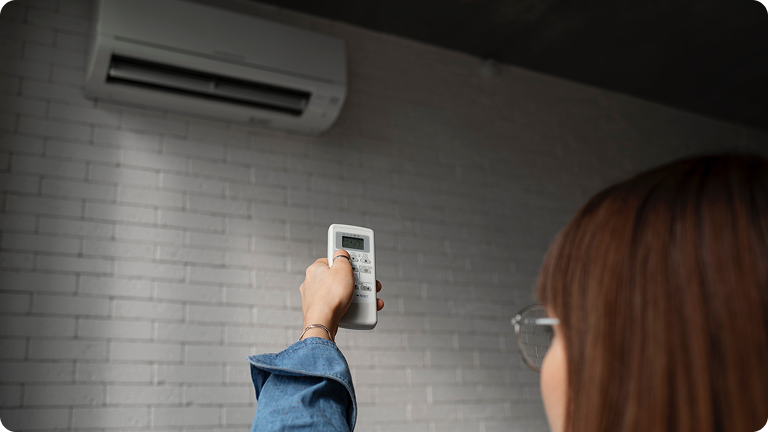

Your Trusted Local AC Experts
When the summer heat hits, you need an air conditioning system you can rely on. At Jim's Air Systems, we specialize in keeping your home cool and comfortable. Whether you need an emergency repair, a seasonal tune-up, or a brand new high-efficiency air conditioner, our family is here to help.
Our Air Conditioning Services include

AC Repair
We service all makes and models, quickly diagnosing and fixing any issue.
AC Installation & Replacement
Get a perfectly sized, high-efficiency system with our owner-led design and installation process.
AC Maintenance
Prevent breakdowns and improve efficiency with our comprehensive AC tune-ups.
Signs You Needs AC Service
.svg)
Ready for a Cooler, More Comfortable Home?
Whether you need an emergency repair or a free estimate on a new, energy-efficient air conditioner, our family is ready to provide honest advice and expert service. Contact us today!