
Is Your HVAC System Failing When You Need It Most?
When your heating or cooling system fails, every minute counts, especially during the intense heat waves common to the Tri-Valley area. You need a trustworthy, quick-response team that guarantees comfort restoration without unnecessary delays or hidden fees. Contact us immediately to schedule a diagnostic visit or to learn about our flexible financing options for major repairs.
Jims Air Systems understands that a broken HVAC unit is not just an inconvenience; it is a disruption to your safety and daily life. Whether you are dealing with a frozen evaporator coil in the middle of July or a furnace that refuses to ignite during a chilly winter night, prompt action is required. We prioritize getting your system back online efficiently so you can return to a comfortable living environment.
- Rapid, same-day service designed to get your HVAC up and running in no time.
- Expert technicians available to address all your HVAC concerns with precision diagnostics.
- Comprehensive solutions ranging from minor component replacements to full system evaluations.
All services are fully licensed, insured, and come with a satisfaction guarantee for your peace of mind.
What to Expect From Our HVAC Repair Services
When you require professional intervention for your climate control system, you need to know exactly what the service entails. The scope of our repair services covers the entire lifespan of a service call, from the moment a technician arrives at your Pleasanton home to the final system test. We do not rely on guesswork; we utilize advanced diagnostic tools to pinpoint the root cause of the failure.
The immediate goal is to stabilize your indoor environment. Upon arrival, the focus is on identifying safety hazards, such as refrigerant leaks, gas line issues, or electrical shorts. Once safety is established, the technical troubleshooting begins. This involves checking system pressures, measuring airflow, testing electrical components like capacitors and contactors, and inspecting the heat exchanger for cracks.
You receive a transparent assessment of the situation. You will be presented with the specific findings, the required parts for the repair, and a clear timeline for completion. In many cases, service vehicles are stocked with common failure parts—such as thermostats, fuses, and sensors—allowing for repairs to be completed during the initial visit. If a specialized part is required, the procurement process is handled immediately to minimize downtime.
Our repair services include:
- Detailed System Diagnostics: Testing of voltage, amperage, and static pressure to ensure the system is operating within manufacturer specifications.
- Component Replacement: Installation of high-quality OEM or equivalent parts for compressors, motors, fans, and ignition systems.
- Refrigerant Leak Detection and Recharge: Locating leaks using electronic sniffers or UV dye, repairing the breach, and recharging the system to the correct subcooling or su
perheat levels. - Airflow Optimization: Clearing blockages in the condensate drain line, inspecting ductwork for disconnects, and verifying blower motor performance.
- Thermostat Calibration: Ensuring your interface communicates correctly with the control board for accurate temperature cycling.
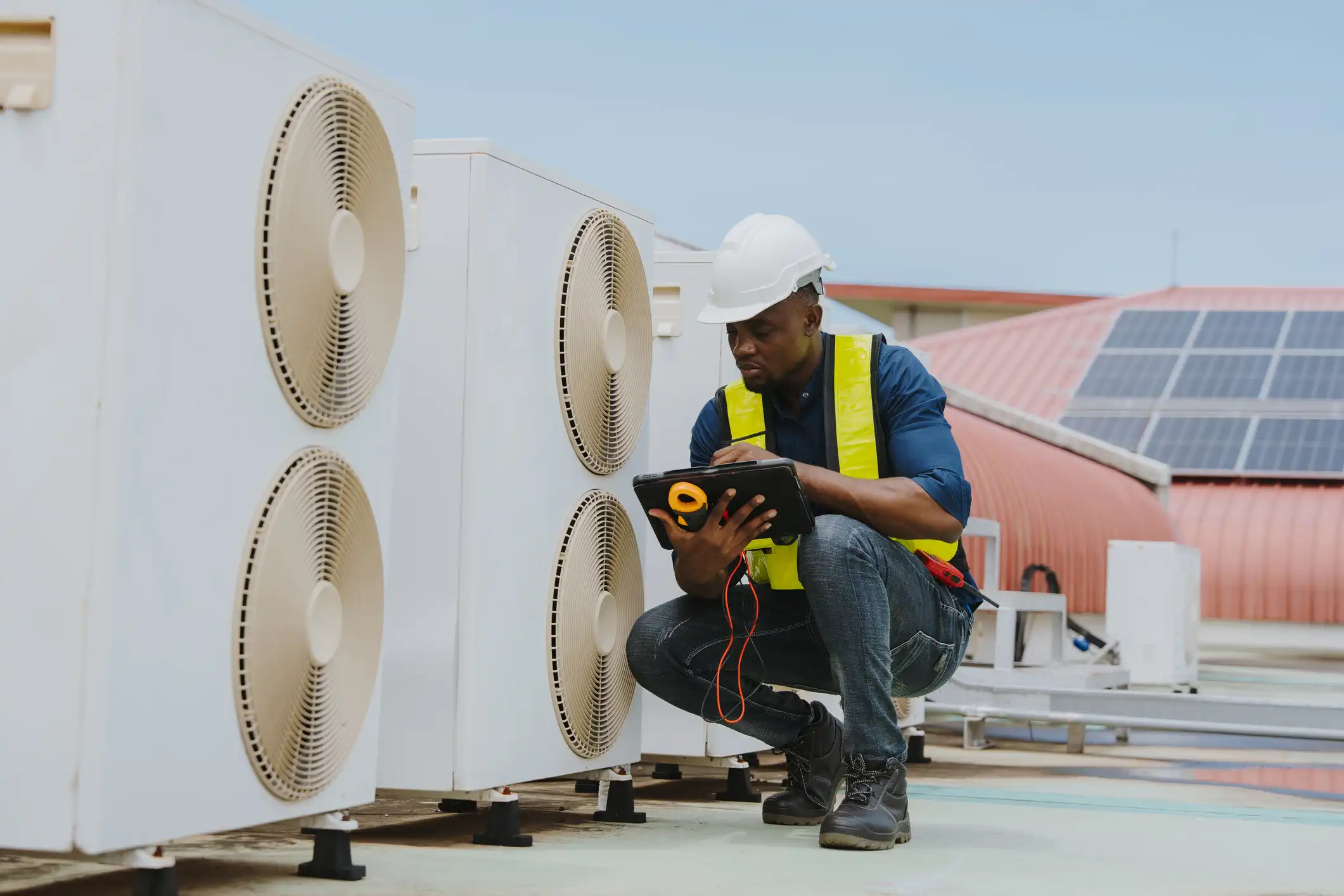
The HVAC Repair and Restoration Process
Understanding the workflow of a repair appointment helps homeowners prepare and ensures there are no surprises. A structured process guarantees that no step is skipped and that the repair is durable, rather than a temporary patch.
- First, the engagement begins with your report of the symptoms. Whether the unit is making strange noises, emitting odors, or simply blowing warm air, this information guides the initial investigation. A technician is dispatched to your location with the necessary equipment to address the described issue.
- Next, a thorough on-site evaluation is conducted. The technician will cycle the system (if safe to do so) to observe its operation. They will remove access panels to inspect internal components and use multimeters and gauges to gather data. This data is compared against the unit’s engineering specifications to identify deviations.
- Following the inspection, you are provided with a written report and a flat-rate quote for the repair. This explanation includes why the part failed—whether due to age, lack of maintenance, or external factors like power surges. You have the authority to approve the work before any repairs commence.
- Once approved, the technician performs the repair. This may involve brazing copper lines, wiring new electrical components, or physically cleaning fouled assemblies. The work is performed cleanly, with respect for your property.
- Finally, the system is tested under load. The technician does not leave until the unit has run through a complete cycle, verifying that the target temperature is reached and that the system shuts off correctly. A final check of the work area ensures your home is left exactly as it was found.
Repair vs. Replacement: Making the Financial Decision
One of the most critical decisions a homeowner faces is determining when a unit has reached the end of its viable life. While repairs are often the most cost-effective immediate solution, there is a mathematical tipping point where investing in a new system makes more financial sense than reviving a dying one.
This decision usually hinges on the age of the system, the frequency of breakdowns, and the cost of the current repair. In the HVAC industry, the "50% Rule" is a common benchmark: if the cost of the repair approaches 50% of the value of a new system, replacement is generally the wiser investment. Additionally, the "5,000 Rule" suggests multiplying the age of the unit by the repair cost; if the total exceeds $5,000, replacement should be strongly considered.
Efficiency is another major factor. Older units often operate at 8-10 SEER (Seasonal Energy Efficiency Ratio), whereas modern standards require much higher efficiency. A repair might fix the immediate mechanical issue, but it will not improve the unit's inherent energy consumption. By continuing to repair an obsolete unit, you may be paying a premium on monthly utility bills that could otherwise go toward a modern, high-efficiency system.
Key considerations for the repair vs. replace decision include:
- System Age: Air conditioners and heat pumps in the Pleasanton area typically last 10 to 15 years due to high summer usage. Furnaces may last 15 to 20 years. If your equipment exceeds these ranges, parts may be obsolete or prohibitively expensive.
- Refrigerant Type: Older systems utilizing R-22 refrigerant are becoming increasingly expensive to service due to environmental phase-outs. If an R-22 system develops a major leak, replacement is almost always the correct path.
- Cumulative Repair Costs: If you have required multiple repairs in the last two years, the system is likely entering a phase of rapid degradation.
- Comfort Consistency: If the system runs but fails to remove humidity or creates hot and cold spots throughout the home, it may be undersized or suffering from compressor valve failure, signaling the need for replacement.
Critical Local Factors for Homeowners
Operating an HVAC system in Pleasanton requires attention to specific regional factors that impact performance and longevity. The local climate is characterized by hot, dry summers where temperatures frequently exceed 100°F, and mild, wet winters. This significant temperature variation stresses heat pumps and air conditioners, often leading to capacitor failures and compressor overheating during the first heat waves of the season.
In addition to climate, regulatory compliance is a major consideration for any substantial HVAC work. California has some of the strictest energy codes in the nation, specifically Title 24. While minor repairs generally do not trigger these requirements, significant alterations, ductwork replacements, or full system change-outs do. Working with a provider who understands these codes ensures that your home remains compliant and avoids complications during future real estate transactions.
Furthermore, the electrical grid and utility providers like PG&E have specific rebate programs and tiered rate structures. High-efficiency repairs or upgrades can sometimes qualify for rebates, but these programs require specific documentation and installation by licensed contractors. Understanding the electrical load your HVAC system places on your home’s panel is also vital, particularly in older neighborhoods where electrical infrastructure may not support modern, high-draw AC units without upgrades.
- Permitting Requirements: Major HVAC installations or duct modifications usually require a permit from the city building department. Professional technicians handle this paperwork to ensure all work meets local safety and building codes.
- Seasonal Preparation: Because of the dry heat, evaporator coils must be kept exceptionally clean to facilitate heat exchange. Local vegetation and dust can quickly clog outdoor condenser units, reducing efficiency by up to 30%.
- Insulation and Ductwork: In many local homes, ductwork located in attics can reach extreme temperatures. Ensuring ducts are sealed and insulated is as important as the mechanical repair of the unit itself.
Why Reliable HVAC Diagnostics Matter
The difference between a recurring problem and a permanent fix often lies in the quality of the diagnostics. Many HVAC "failures" are actually symptoms of a deeper, underlying issue. For example, a compressor that burns out might be replaced, but if the technician fails to identify that the ductwork is undersized (causing high static pressure), the new compressor will likely fail within a year.
Jims Air Systems emphasizes a holistic approach to repair. We do not just swap parts; we analyze the system as a whole. This includes checking the "Delta T" (the temperature difference between return and supply air), measuring superheat and subcooling to verify refrigerant charge accuracy, and inspecting electrical connections for thermal stress.
Accurate diagnostics also protect your home’s safety. A cracked heat exchanger in a furnace can leak carbon monoxide, a colorless and odorless gas, into your living space. A standard "quick fix" might overlook hairline fractures that expand when heated. Professional, deep-dive diagnostics utilize combustion analyzers and inspection cameras to verify the integrity of the heat exchanger, ensuring your family remains safe during the heating season.
Proper diagnostics extend the life of your equipment. By identifying and correcting issues like low airflow or incorrect voltage early, we reduce the mechanical stress on the motor and compressor. This preventive approach turns a repair call into an opportunity to optimize the system for the future, ensuring it can handle the next heat wave or cold snap without faltering.
- Electrical Safety: Loose connections can cause arcing and fire hazards. We torque all electrical connections to factory specifications.
- Drainage verification: A clogged condensate drain can cause water damage to ceilings and floors. We verify clear drainage and test safety overflow switches.
- Sensor Accuracy: Modern HVAC systems rely on complex sensor arrays. We test flame sensors, pressure switches, and thermistors to prevent nuisance tripping and lockouts.
Secure Your Comfort Today
Do not let a malfunctioning HVAC system compromise your comfort or safety for another day. Whether you are facing a complete system breakdown or a performance issue that is driving up your utility bills, professional help is required to resolve the issue correctly. Delaying repairs often leads to more extensive damage and higher costs down the line.
Our team is ready to deploy to your location, equipped with the tools and expertise necessary to diagnose the problem accurately and implement a lasting solution. We stand behind our work with industry-leading guarantees and a commitment to operational excellence.
Call us now to schedule your priority repair service and restore the comfort of your home immediately.
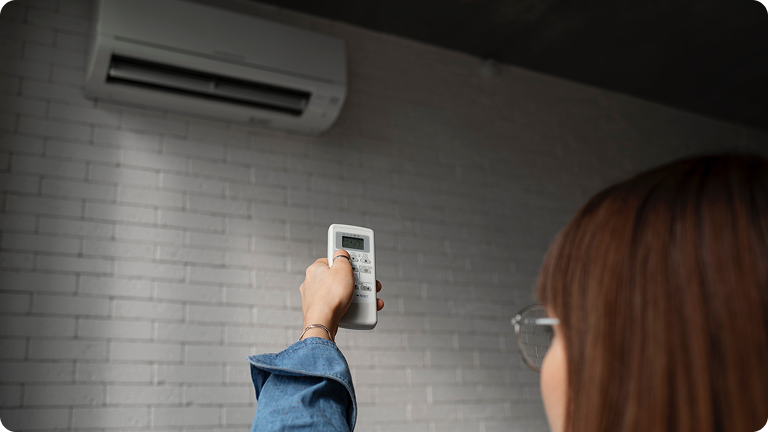

Your Trusted Local AC Experts
When the summer heat hits, you need an air conditioning system you can rely on. At Jim's Air Systems, we specialize in keeping your home cool and comfortable. Whether you need an emergency repair, a seasonal tune-up, or a brand new high-efficiency air conditioner, our family is here to help.
Our Air Conditioning Services include

AC Repair
We service all makes and models, quickly diagnosing and fixing any issue.
AC Installation & Replacement
Get a perfectly sized, high-efficiency system with our owner-led design and installation process.
AC Maintenance
Prevent breakdowns and improve efficiency with our comprehensive AC tune-ups.
Signs You Needs AC Service
.svg)

Frequently Asked Questions

We recommend having your air conditioning system professionally serviced once a year, ideally in the spring, to ensure it's ready for the summer heat.
Yes! Jim’s Air Systems is a family-owned and operated business. We take pride in delivering honest, reliable service and treating our customers like family, with a strong focus on quality workmanship and long-term relationships.
A trained, licensed HVAC professional from Jim’s Air Systems will visit your home for the estimate. Our technician will assess your needs, answer your questions, and provide a clear, upfront estimate with no pressure or hidden fees.
Ready for a Cooler, More Comfortable Home?
Whether you need an emergency repair or a free estimate on a new, energy-efficient air conditioner, our family is ready to provide honest advice and expert service. Contact us today!