Is Your Heating System Leaving You in the Cold?
Waking up to a freezing home or realizing your heater is blowing cold air is a stressful experience, especially when temperatures drop during the winter months. If your furnace is making strange noises, cycling on and off rapidly, or simply failing to maintain the set temperature, you need a solution that goes beyond a temporary patch. Residents in Pleasanton know that while winters are generally mild, the nights can get cold enough to make a functional heating system a necessity, not a luxury. Contact us immediately to schedule a diagnostic visit and restore warmth to your home.
When a heating system fails, you need to know that the technician arriving at your door can accurately identify the root cause—whether it is an electrical failure, a gas supply issue, or a mechanical breakdown. You do not have time for guesswork or repeated visits. We provide a streamlined service designed to get your system running safely and efficiently.
Our service approach ensures:
- Comprehensive diagnostics using advanced tools to pinpoint the exact component failure.
- Swift repair execution with fully stocked vehicles to minimize downtime.
- Transparent explanations of the issue so you understand exactly what is being fixed and why.
- Solutions focused on long-term efficiency to help manage energy costs under California’s strict standards.
All repairs are performed by licensed professionals, backed by industry-standard warranties and flexible financing options to accommodate your budget.
Comprehensive Furnace Diagnostics and Repair
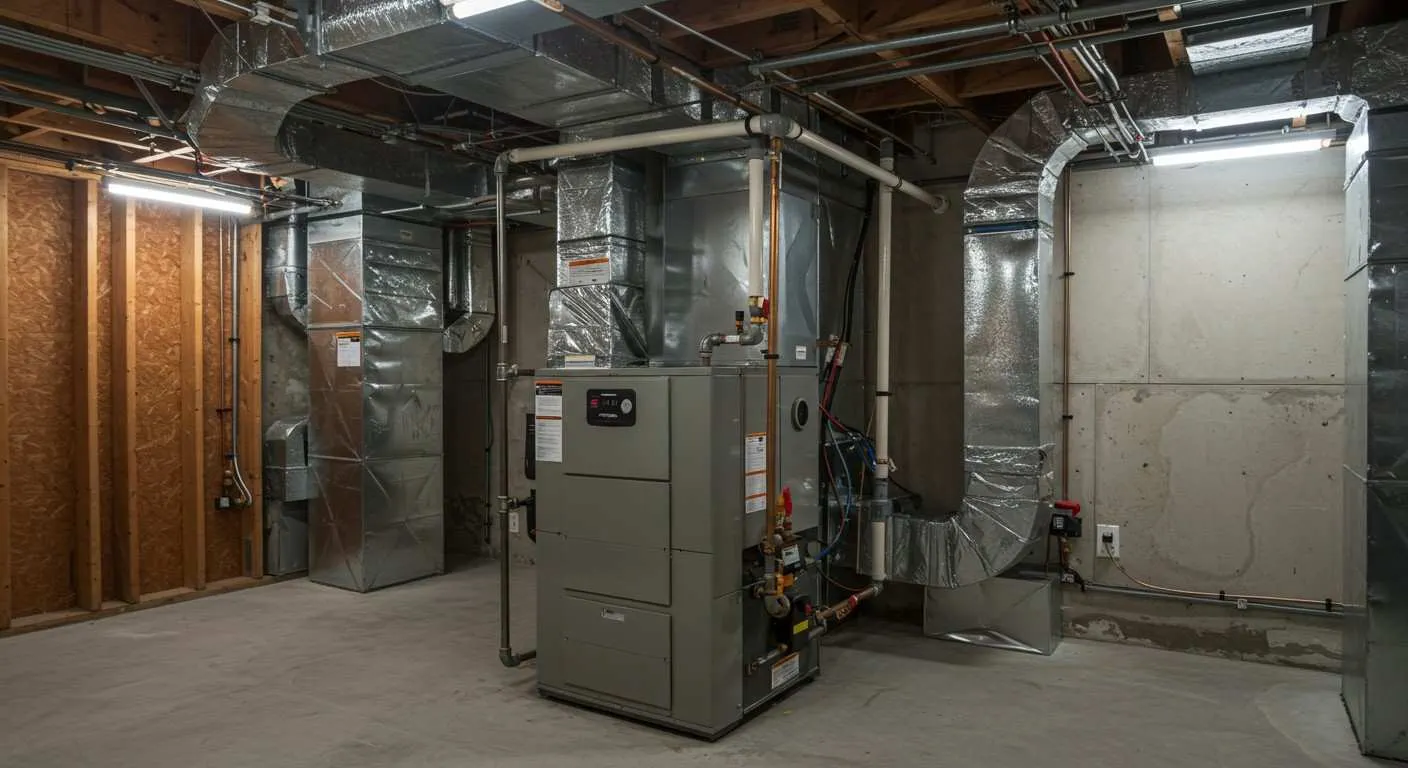
When Jims Air Systems arrives at your property, the priority is to move from "broken" to "fixed" with precision. A furnace is a complex appliance involving high-voltage electricity, combustible gas, and airflow dynamics. A breakdown is rarely just "bad luck"; it is usually a specific component reaching the end of its lifecycle or a lack of maintenance causing system stress.
We address the full spectrum of furnace malfunctions. This includes addressing ignition failures where the pilot light goes out, or the electronic igniter cracks. We also resolve airflow restrictions caused by failing blower motors or clogged filtration systems that cause the limit switch to trip the unit off for safety. If your system is short-cycling—turning on and off every few minutes without reaching the target temperature—we investigate the thermostat calibration, the heat anticipator, and the flame sensor rod.
Our technicians are trained to handle:
- Ignition System Failures: Whether you have a standing pilot, intermittent pilot, or hot surface igniter, we test resistance and voltage to ensure the burners light reliably.
- Airflow and Blower Issues: A furnace cannot distribute heat if the blower motor is seized or the capacitor has failed. We test amp draws and capacitor values to determine if a repair or replacement of the motor is necessary.
- Thermostat and Control Board Logic: Modern furnaces rely on printed circuit boards to sequence operation. We troubleshoot these control centers to ensure the signal from your thermostat is actually reaching the furnace components.
- Safety Switch Tripping: Limit switches, rollout switches, and pressure switches are designed to shut the furnace down if unsafe conditions are detected. We identify why the switch tripped—such as a blocked flue or a cracked heat exchanger—rather than just resetting it.
The Repair Process: What to Expect
Understanding the sequence of a service call helps alleviate the stress of the unknown. We follow a rigid process to ensure consistency and safety for every homeowner in Pleasanton. We do not skip steps, as doing so can miss critical safety hazards like carbon monoxide leaks.
Step-by-Step Service Protocol:
- Arrival and Site Protection: The technician arrives within the scheduled window. Before touching the equipment, they implement property protection measures, such as wearing shoe covers and using drop cloths around the work area.
- Initial Assessment: You will be asked about the symptoms you noticed. Did you smell gas? Did the unit make a banging sound? How long has it been acting up? This history guides the diagnostic process.
- System Diagnostics: Using multimeters, manometers, and combustion analyzers, the technician tests the system components. This is not a visual inspection alone; it is a data-driven analysis of gas pressure, temperature rise, and electrical continuity.
- Presentation of Findings: Once the issue is isolated, the technician explains the problem clearly. You are provided with options. If a part can be repaired, we explain how. If it must be replaced, we explain the cost and availability.
- Execution of Repair: With your approval, the repair is performed. This may involve replacing a gas valve, swapping out a control board, or cleaning a dirty flame sensor.
- System Verification: The job is not done when the part is installed. The furnace is cycled through a full heat cycle to ensure it ignites, runs, and shuts down correctly. We check for gas leaks and verify the thermostat is reading accurately.
Deciding Between Repair and Replacement
One of the most difficult decisions a homeowner faces is whether to pour money into an existing unit or invest in a new system. This decision should be based on data and financial logic, not sales pressure. There is a tipping point where repair is no longer the economical choice.
Key factors to evaluate include:
- The 50% Rule: If the cost of the repair approaches or exceeds 50% of the cost of a brand-new unit, replacement is generally the smarter financial move. A massive repair bill on an old unit is often throwing good money after bad.
- System Age: The average lifespan of a gas furnace is between 15 and 20 years. If your unit is over 15 years old and requires a major component like a blower motor or gas valve, it is often better to replace it. Parts for older units can also be harder to source and more expensive.
- Frequency of Breakdowns: If you have required repairs two or more times in the last two years, your system is signaling that it is unreliable. The cumulative cost of frequent service calls often outweighs the monthly cost of a financed new system.
- Heat Exchanger Integrity: The heat exchanger is the heart of the furnace and keeps combustion gases separate from your breathing air. If the heat exchanger is cracked or rusted through, the furnace is unsafe to operate. In almost every case, a cracked heat exchanger necessitates a full system replacement due to the labor intensity and cost of the part.
- Energy Efficiency: Older furnaces may only be 60% to 70% efficient. Modern units are required to be much higher. If your utility bills are skyrocketing despite moderate usage, a new system could pay for itself over time in energy savings.
Regional Considerations for Heating Systems
Operating a furnace in the Tri-Valley area comes with specific environmental and regulatory considerations. While we do not face the sub-zero temperatures of the Midwest, the fluctuation between daytime highs and overnight lows in Pleasanton creates a unique load on heating systems.
Seasonality and Usage Patterns
The heating season typically runs from late November through March. Because the system sits dormant for the long, hot summer, the initial startup in autumn often reveals hidden issues. Dust accumulation on burners, seized motors from inactivity, or dried-out capacitors are common. We recommend testing your system before the first cold snap to avoid the rush when everyone else discovers their heater is broken.
California Energy Regulations
California has some of the strictest energy codes in the nation, governed by Title 24 and the California Energy Commission. These regulations impact what types of repairs can be done and what efficiency standards must be met if a replacement is needed.
- Efficiency Standards: New installations and major alterations must meet minimum AFUE (Annual Fuel Utilization Efficiency) ratings. This ensures that homeowners are not installing energy-wasting equipment.
- Emission Limits: The Bay Area Air Quality Management District imposes low-NOx (nitrogen oxide) requirements on furnaces to reduce air pollution. When sourcing parts or recommending replacements, compliance with these emission standards is mandatory.
- Ductwork Requirements: If a repair involves significant modification to the heating system, state code may trigger a requirement to test ductwork for leakage. This is designed to ensure you aren't paying to heat your attic or crawlspace.
Permits and Safety
Minor repairs like replacing a sensor usually do not require a permit. However, if the scope of work involves replacing the furnace, altering gas lines, or modifying electrical circuits, local permits are required. This protects the homeowner by ensuring the work is inspected by the city and meets all safety codes. We handle the logistical details of code compliance so you do not have to worry about liability.
Why Professional Diagnostics Are Critical
Attempting to fix a furnace yourself is dangerous and often void of warranty protection. Modern heating systems are integrated with complex safety interlocks. Bypassing a switch or installing a generic "universal" part can lead to inefficient operation, system damage, or fire hazards.
- Safety Risks: Natural gas is combustible, and the byproducts of combustion include carbon monoxide (CO), which is odorless and deadly. A professional technician carries a calibrated combustion analyzer to ensure that your furnace is burning cleanly and drafting exhaust gases out of your home correctly. A DIY repair cannot verify this safety metric.
- Warranty Preservation: Most manufacturer warranties strictly state that repairs must be performed by a licensed HVAC professional. If you attempt a repair and damage a component, or even if you fix it successfully but cannot prove a professional did the work, the manufacturer may void the remaining warranty on the unit. This leaves you liable for future major component failures.
- Accurate Part Sourcing: Furnaces are not "one size fits all." A blower motor from one brand will likely not fit another, and even within the same brand, specifications change by model year. We utilize supply chains that provide OEM (Original Equipment Manufacturer) parts designed specifically for your unit. This ensures the system operates at the efficiency and noise levels intended by the engineers who designed it.
Restore Your Home’s Comfort
You rely on your heating system to provide a safe, comfortable environment for your family. When that system falters, delays only lead to colder nights and potentially higher repair costs if the damage spreads to other components. Addressing the problem immediately with a professional service ensures that your system returns to peak performance, adhering to all safety and efficiency standards.
At Jims Air Systems, we are committed to delivering technical excellence and clear communication for every service call. Do not let a malfunctioning furnace disrupt your life or compromise your comfort.
Take control of your indoor climate today. Schedule your expert furnace repair.

Your Trusted Local AC Experts
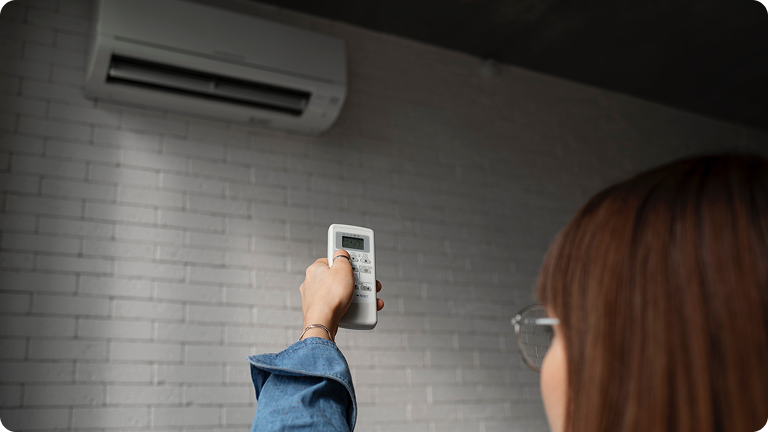
When the summer heat hits, you need an air conditioning system you can rely on. At Jim's Air Systems, we specialize in keeping your home cool and comfortable. Whether you need an emergency repair, a seasonal tune-up, or a brand new high-efficiency air conditioner, our family is here to help.
Our Air Conditioning Services include

AC Repair
We service all makes and models, quickly diagnosing and fixing any issue.
AC Installation & Replacement
Get a perfectly sized, high-efficiency system with our owner-led design and installation process.
AC Maintenance
Prevent breakdowns and improve efficiency with our comprehensive AC tune-ups.
Signs You Needs AC Service
.svg)
Ready for a Cooler, More Comfortable Home?
Whether you need an emergency repair or a free estimate on a new, energy-efficient air conditioner, our family is ready to provide honest advice and expert service. Contact us today!