
Is Your Current Unit Failing to Handle the Heat or the Cold?
Is your HVAC system failing to keep up with Pleasanton’s unpredictable climate, leaving you sweating during the dry summer heat or shivering during wet winter nights? You are not alone in facing these temperature inconsistencies, and timely, expert help is just a call away. Contact us today to schedule a comprehensive system assessment or to discuss financing options for your new installation.
- Experience rapid, same-day installation services to get your comfort back on track quickly without unnecessary delays.
- Benefit from energy-efficient HVAC systems designed to lower your monthly utility bills while reducing your environmental impact.
- Rely on licensed professionals who back every installation and repair with solid, comprehensive warranties.
All installations are fully licensed, insured, and come with comprehensive warranties for peace of mind.
Comprehensive HVAC Installation Standards and Scope
When you invest in a new heating and cooling system, you are purchasing more than just a piece of machinery; you are securing the long-term comfort and air quality of your home. A professional installation goes beyond simply swapping out a box. It involves a complete analysis of your home's thermal characteristics to ensure the new unit performs exactly as the manufacturer intended. At Jims Air Systems, we focus on precision sizing and adherence to strict installation protocols.
The scope of a proper installation begins with a Manual J load calculation. This engineering standard determines exactly how much heating and cooling power your specific layout requires. Installing an oversized unit leads to short-cycling, which increases humidity and wear and tear, while an undersized unit will run continuously without ever reaching the desired temperature. We ensure the equipment selected matches the specific cubic footage and insulation levels of your property.
Modern installations also prioritize energy efficiency ratings, specifically SEER2 (Seasonal Energy Efficiency Ratio) and HSPF2 (Heating Seasonal Performance Factor). Higher ratings equate to lower operational costs. Included in a standard installation is the safe removal and disposal of your old equipment, ensuring all refrigerants are captured according to EPA regulations. We also inspect existing ductwork to verify it can handle the airflow of the new, high-efficiency system. If the ducts are leaking or undersized, the efficiency of the new unit is wasted.
The timeline for a standard residential installation typically spans one full day. However, more complex systems requiring ductwork modification or zoning changes may extend into a second day. The goal is to minimize disruption to your household while ensuring every connection—gas, electrical, and refrigerant—is secure and code-compliant.
Step-by-Step Installation Process
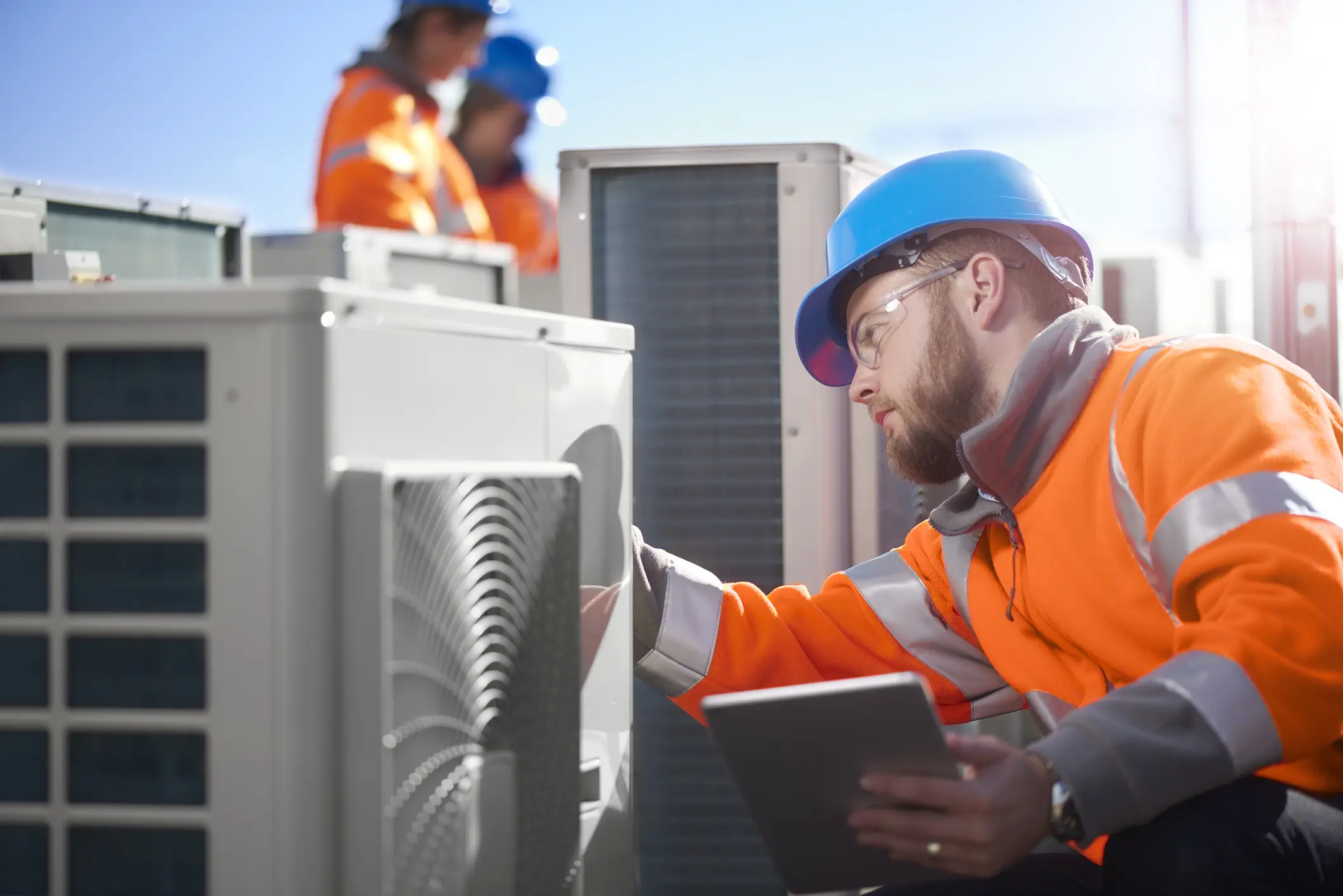
A structured approach to installation ensures consistency and reliability. We follow a rigorous checklist to ensure no step is overlooked, guaranteeing that your system operates safely and efficiently from the first time it is turned on.
Site Preparation and Protection
- The process begins with protecting your property. Technicians lay down drop cloths and wear protective shoe covers to keep your home clean. The area around the indoor and outdoor units is cleared to provide safe access for the crew and equipment.
Decommissioning the Old System
- Power and gas supplies to the existing unit are shut off for safety. Technicians then recover any remaining refrigerant from the old system into certified recovery cylinders. This prevents harmful chemicals from venting into the atmosphere. Once the system is empty, the old condenser and furnace or air handler are disconnected and removed from the premises.
Indoor Unit Installation
- The new evaporator coil and furnace (or air handler) are positioned first. If the system is in an attic or crawlspace, technicians ensure the unit is properly supported and vibration isolation pads are used to reduce noise. The unit is leveled perfectly to ensure proper drainage of condensate water.
Outdoor Unit Placement
- The outdoor condenser is placed on a new, level composite pad. This pad prevents the unit from sinking into the ground and keeps it elevated above potential standing water. Proper clearance is maintained around the unit to ensure adequate airflow, which is vital for the heat exchange process.
System Connections
- Technicians connect the line set (copper tubing) that carries refrigerant between the indoor and outdoor units. These lines are brazed with nitrogen flowing through them to prevent oxidation inside the pipes. Electrical wiring is connected, including the high-voltage power supply and low-voltage control wires. If it is a gas furnace, the gas piping is connected and leak-tested.
Vacuum and Charge
- Before releasing the refrigerant, a vacuum pump is used to remove all moisture and air from the refrigerant lines. This is a critical step; moisture left in the lines can cause acid formation and compressor failure. Once the vacuum holds, the factory-supplied refrigerant is released, and the charge is fine-tuned based on the specific line set length and ambient temperatures in Pleasanton.
Final Commissioning and Testing
- The system is powered on and tested in all modes. Technicians measure airflow (static pressure), temperature drop across the coil, and amperage draw of the motors. The thermostat is programmed, and the homeowner is briefed on how to operate and maintain the new system.
Deciding Between Repair and Replacement
Homeowners often face the difficult decision of whether to repair a faltering unit or invest in a full replacement. While repairs can be a quick fix, they are not always the most financially sound option in the long run. There are specific technical and financial indicators that suggest replacement is the smarter path.
The 50% Rule
- A common industry benchmark is the 50% rule. If the cost of the necessary repair approaches 50% of the value of the system (or the cost of a new system), replacement is generally recommended. Putting thousands of dollars into an old compressor is rarely worth it when that money could go toward a new unit with a 10-year warranty.
System Age and R-22 Freon
- HVAC systems typically last between 10 and 15 years. If your unit is over 12 years old and requires a major repair, it is living on borrowed time. Furthermore, if your older unit utilizes R-22 refrigerant (Freon), repair costs will be astronomical due to the phase-out of this chemical. Modern systems use R-410A or newer, eco-friendly refrigerants that are more affordable and available.
Frequency of Breakdowns
- If you find yourself calling for service multiple times a year, the system has likely become unreliable. Frequent "nickel and dime" repairs—a capacitor here, a fan motor there—add up quickly. A new system eliminates these surprise costs and provides stability.
Rising Energy Bills
- As components wear out, motors work harder, and coils become less efficient at heat transfer. This results in the system running longer to maintain the same temperature. If your utility bills have been creeping up despite normal usage, the system’s efficiency has degraded significantly. A modern, high-SEER system can cut cooling costs by 20% to 40% immediately.
Comfort Issues
- Old systems often struggle to distribute air evenly. If you have hot and cold spots throughout the house or if the unit is excessively noisy, it is a sign that the mechanical components are failing or the system was never sized correctly in the first place. Replacement allows for the correction of ductwork issues and the installation of zoning features for better climate control.
Local Considerations: Permits, Codes, and Climate
Installing an HVAC system involves navigating local building codes and understanding the specific environmental demands of the region. In California, these regulations are stricter than in many other parts of the country, specifically regarding energy efficiency.
Title 24 Compliance
- California’s Title 24 Building Energy Efficiency Standards require that all new HVAC installations meet specific efficiency criteria. This often involves third-party verification of duct sealing (HERS testing) to ensure leakage is below a certain percentage. We handle all necessary documentation and coordination with HERS raters to ensure your installation passes inspection and is fully compliant with state law.
Permitting Requirements
- Obtaining a building permit is mandatory for HVAC replacements in Pleasanton. This is not just a formality; it ensures the installation meets safety codes regarding gas connections and electrical wiring. Unpermitted work can cause issues when selling your home and may void your homeowner’s insurance in the event of a fire or accident. We manage the permitting process from application to final inspection.
Climate-Specific Sizing
- The local climate features hot, dry summers and cool, wet winters. This variation requires a system that can handle high sensible heat loads (temperature) in the summer. We ensure the condenser is sized to handle the peak mid-day temperatures without struggling. Conversely, for heating, we evaluate whether a high-efficiency gas furnace or a heat pump is the better solution based on your specific gas and electric rates.
Noise Ordinances
- Local municipal codes often regulate the decibel level of outdoor mechanical equipment to prevent disturbing neighbors. Modern equipment is significantly quieter than older models, but placement is still key. We site the outdoor unit to comply with setback requirements and noise regulations, ensuring you and your neighbors remain undisturbed.
Why Professional Installation Matters
The quality of the installation is the single most important factor in the longevity and efficiency of your HVAC system. Industry studies consistently show that a significant percentage of new HVAC units are installed incorrectly, leading to efficiency losses and premature failure. Choosing the right contractor is more critical than choosing the brand of equipment.
We utilize only licensed and certified technicians who undergo continuous training on the latest equipment and safety standards. This ensures that every braze joint is solid, every wire is tightened to spec, and every gas line is pressure-tested. Our team understands the specific load requirements for homes in this area, ensuring that your system is neither oversized nor undersized.
Transparency is central to our process. We provide clear, upfront details regarding the scope of work, the equipment being installed, and the timeline for completion. There are no hidden fees or surprise charges halfway through the job. Furthermore, we stand behind our workmanship with robust labor warranties that complement the manufacturer's equipment warranty. This double layer of protection ensures that if an issue arises, you are covered.
Jims Air Systems is dedicated to providing installations that stand the test of time. We focus on the details—from the correct slope of the condensate drain to the proper tension of the blower belt—because these details determine whether your system lasts 10 years or 20.
Call Us Now!
Secure your home’s comfort and efficiency today. Do not wait for a complete system failure in the middle of a heatwave or a cold snap. Ensure your new system is installed correctly, legally, and safely.
Ready to upgrade your home comfort with a reliable, energy-efficient HVAC installation? Contact us today to schedule your consultation and get a quote.

Your Trusted Local AC Experts
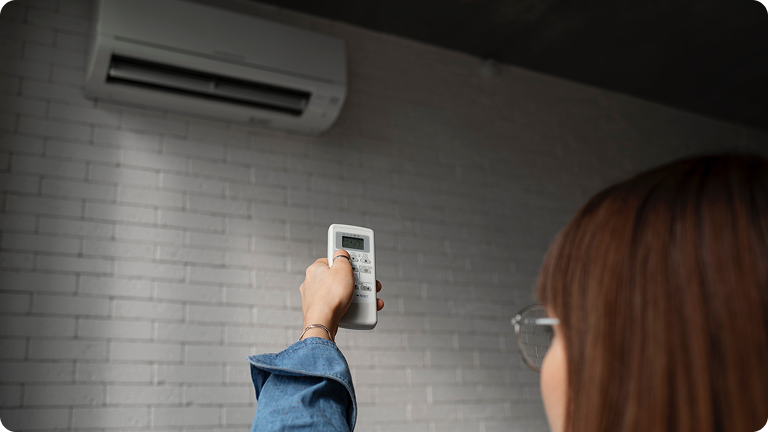
When the summer heat hits, you need an air conditioning system you can rely on. At Jim's Air Systems, we specialize in keeping your home cool and comfortable. Whether you need an emergency repair, a seasonal tune-up, or a brand new high-efficiency air conditioner, our family is here to help.
Our Air Conditioning Services include

AC Repair
We service all makes and models, quickly diagnosing and fixing any issue.
AC Installation & Replacement
Get a perfectly sized, high-efficiency system with our owner-led design and installation process.
AC Maintenance
Prevent breakdowns and improve efficiency with our comprehensive AC tune-ups.
Signs You Needs AC Service
.svg)

Frequently Asked Questions

We recommend having your air conditioning system professionally serviced once a year, ideally in the spring, to ensure it's ready for the summer heat.
Yes! Jim’s Air Systems is a family-owned and operated business. We take pride in delivering honest, reliable service and treating our customers like family, with a strong focus on quality workmanship and long-term relationships.
A trained, licensed HVAC professional from Jim’s Air Systems will visit your home for the estimate. Our technician will assess your needs, answer your questions, and provide a clear, upfront estimate with no pressure or hidden fees.
Ready for a Cooler, More Comfortable Home?
Whether you need an emergency repair or a free estimate on a new, energy-efficient air conditioner, our family is ready to provide honest advice and expert service. Contact us today!