
Is Your Furnace Failing to Keep Your Home Consistently Warm?
Dealing with sudden cold snaps or damp weather can be tough without a reliable heating system, especially when humidity levels rise during the winter months. Ensure your system is up to the mark and avoid unexpected breakdowns with timely, professional maintenance. Contact us immediately to schedule your system diagnostic or inquire about our available financing options.
- Experience rapid, same-day heating system diagnostics and solutions.
- Benefit from comprehensive maintenance that extends your system's lifespan and lowers utility costs.
- Enjoy peace of mind with our full warranty coverage on all services performed.
Fully licensed and insured, with flexible financing options available for major repairs or replacements.
Comprehensive Heating System Tune-Ups and Inspections
A heating system is a complex assembly of electrical, mechanical, and gas components that must work in perfect synchronization to provide safe and efficient heat. When residents in Pleasanton, CA, neglect routine maintenance, they risk minor wear and tear escalating into catastrophic component failure. Our maintenance service is not a cursory glance at the unit; it is a rigorous, multi-point inspection and calibration process designed to restore your equipment to factory specifications.
When a technician arrives to service your heating unit, the primary goal is to identify safety hazards and efficiency drains. Over time, vibration can loosen electrical connections, leading to arcing or motor failure. Dust accumulation on the blower wheel can restrict airflow, causing the heat exchanger to overheat and potentially crack. A cracked heat exchanger is a critical safety issue as it allows carbon monoxide to leak into the living space. By addressing these issues proactively, we ensure that the system operates safely and consumes the minimum amount of energy necessary to heat your home.
The scope of a professional tune-up covers the entire heating cycle. This includes verifying the proper ignition sequence, checking the flame sensor to prevent short-cycling, and measuring the amperage draw on the blower motor to ensure it is not straining. We also inspect the venting system to ensure that exhaust gases are being properly expelled from the home. If the system utilizes a gas furnace, checking the gas pressure at the manifold is essential for ensuring the burner flame is efficient and clean-burning. Every component is tested to verify it is contributing to the overall performance of the system rather than hindering it.

Detailed Breakdown of Maintenance Inclusions
A thorough maintenance visit involves specific actions taken on critical components. This granular approach ensures that no part of the system is overlooked.
- Thermostat Calibration: We verify that the thermostat is reading the indoor temperature accurately and communicating correctly with the furnace control board. Miscalibration can lead to the system running longer than necessary or failing to reach the set temperature.
- Air Filter and Airflow Analysis: We inspect the air filter and the static pressure within the ductwork. Restricted airflow is the leading cause of premature component failure. If the filter is clogged, we replace standard filters or recommend cleaning for permanent ones.
- Blower Motor and Capacitor Inspection: The blower motor circulates warm air throughout the house. We check the capacitor, which provides the torque to start the motor. A weak capacitor can cause the motor to overheat and burn out. We also lubricate bearings if the motor requires it.
- Burner Assembly Cleaning: Dust and rust can accumulate on the burners, causing an uneven flame or "lift-off." We remove the burners, clean them thoroughly, and inspect them for corrosion to ensure a steady, blue flame.
- Heat Exchanger Integrity Check: This is the most critical safety step. We visually inspect the heat exchanger for cracks, rust, or separation. A compromised heat exchanger requires immediate action to prevent carbon monoxide exposure.
- Safety Control Testing: Modern furnaces have multiple safety switches, such as the high-limit switch and the flame rollout switch. We simulate failure conditions to ensure these safety mechanisms engage properly and shut the unit down if a hazard is detected.
- Electrical Connection Tightening: Loose wires cause resistance and heat, which can melt insulation and damage circuit boards. We torque all high-voltage and low-voltage connections to ensure reliable electrical flow.
- Gas Line and Valve Inspection: For gas furnaces, we test the gas piping near the unit for leaks and verify that the gas valve is opening and closing smoothly without sticking.
The Maintenance Process: What to Expect
Understanding the sequence of a maintenance appointment helps homeowners prepare and ensures transparency regarding the work being performed. We have streamlined the process to be efficient while maintaining high standards of technical accuracy.
- First, the process begins with a system assessment upon arrival. The technician will cycle the system on to listen for abnormal noises, such as rattling, squealing, or banging, which can indicate loose parts or bearing failure.
- Next, the power to the unit is turned off to allow for safe internal inspection. Panels are removed to access the blower compartment, burners, and control board. This is where the physical cleaning and component testing take place.
- Following the internal inspection, the technician performs the cleaning protocols. This involves vacuuming the cabinet to remove dust and debris that could pose a fire hazard or clog sensitive electronics. Sensors, such as the flame sensor, are polished to ensure accurate readings.
- After cleaning, the system is reassembled and powered back on for dynamic testing. The technician measures temperature rise—the difference in temperature between the air entering the furnace and the air leaving it. This metric confirms that the unit is producing the correct amount of heat and that the airflow is balanced.
- Finally, the technician generates a detailed report of the findings. This report outlines the current condition of the system, any adjustments made, and recommendations for any proactive repairs if worn parts were identified.
Deciding Between Repair and Replacement
During a maintenance visit, technicians may uncover issues that require more than just a tune-up. Homeowners are often faced with the difficult decision of whether to invest in repairs or replace the aging unit entirely. Making the right financial decision depends on several technical and economic factors.
- The 50% Rule: A general guideline used in the industry is the 50% rule. If the cost of the necessary repair approaches 50% of the cost of a new system, replacement is generally the wiser investment. Investing heavily in an old system often leads to diminishing returns as other parts are likely to fail soon.
- System Age Considerations: The average lifespan of a gas furnace is between 15 and 20 years. If your equipment is nearing or exceeding this age range, efficiency has likely degraded significantly. Even if a repair is cheap, the ongoing cost of higher fuel bills may justify replacement.
- Frequency of Breakdowns: If the system has required multiple repairs over the last two years, it has become unreliable. "Nickel and diming" repairs add up quickly, and the lack of reliability during a cold snap is a significant risk.
- Efficiency Ratings (AFUE): Older furnaces may have an Annual Fuel Utilization Efficiency (AFUE) rating of 60% to 70%. Modern units often exceed 90% or even 95% AFUE. Upgrading to a high-efficiency model can drastically reduce monthly gas bills, helping the new unit pay for itself over time.
- Comfort Issues: If the current system results in hot and cold spots throughout the house or significantly dries out the air, a repair will not solve these design or capacity issues. A new system with variable-speed technology can provide more consistent comfort.
Local Factors Impacting Heating Systems
Operating a heating system in this region presents specific challenges due to the local climate and infrastructure. While summers are hot, the winters here are characterized by dampness and overnight temperatures that drop into the 30s.
- Humidity and Corrosion: The wet winters, typically spanning from November to March, introduce moisture into the environment. If a heating system is located in an unconditioned space like a garage or crawlspace, this moisture can accelerate corrosion on electrical contacts and the heat exchanger. Regular inspection of these components is vital to prevent rust-related failures.
- PG&E Rate Structures: Local utility rates are among the highest in the country. Inefficient heating systems punish homeowners financially. Ensuring that the furnace is calibrated to its peak efficiency is not just about comfort; it is a financial necessity to keep utility bills manageable under current rate structures.
- Ventilation Requirements: Many homes in the area have been retrofitted with tighter windows and insulation to combat heat loss. While this improves efficiency, it can starve older atmospheric furnaces of the combustion air they need to burn safely. Our maintenance includes verifying that there is adequate makeup air for combustion to prevent back-drafting of exhaust gases.
- Seismic Safety: Given the seismic activity in the region, checking the physical stability of the unit is part of the process. Gas lines must have flexible connectors where code requires, and flue pipes must be securely fastened to prevent separation during minor tremors.
Why Professional Maintenance Matters
Attempting to service a modern heating system without proper training can lead to dangerous outcomes and voided warranties. Jims Air Systems employs technicians who understand the intricacies of thermodynamics and electrical theory required to properly service this equipment.
Manufacturer warranties almost always require proof of annual maintenance by a licensed professional. Neglecting this requirement means that if a major component like a compressor or heat exchanger fails, the manufacturer may deny the claim, leaving the homeowner with the full cost of replacement. Professional documentation serves as proof that the system was cared for according to the manufacturer's guidelines.
Furthermore, professional maintenance goes beyond just keeping the machine running; it focuses on safety. Carbon monoxide is odorless and colorless. A professional technician utilizes calibrated combustion analyzers to detect leaks that a homeowner cannot see or smell. Ensuring the safety of the household is the primary deliverable of our maintenance service.
Secure Your Comfort This Winter
Waiting until the first freezing night to test your heating system is a gamble that often results in uncomfortable delays and emergency service fees. A proactive approach ensures that your home remains a warm sanctuary regardless of the weather outside. By addressing wear and tear now, you prevent the inconvenience of mid-winter breakdowns and ensure your equipment operates at peak efficiency.
Trust Jims Air Systems to provide the technical expertise and thorough care your heating infrastructure requires. Don't leave your comfort to chance.
Contact our team today to schedule your comprehensive heating maintenance and ensure your system is ready for the season ahead.
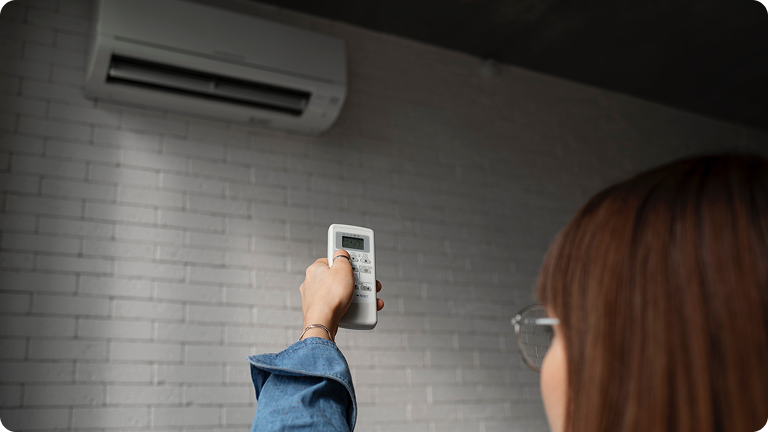

Your Trusted Local AC Experts
When the summer heat hits, you need an air conditioning system you can rely on. At Jim's Air Systems, we specialize in keeping your home cool and comfortable. Whether you need an emergency repair, a seasonal tune-up, or a brand new high-efficiency air conditioner, our family is here to help.
Our Air Conditioning Services include

AC Repair
We service all makes and models, quickly diagnosing and fixing any issue.
AC Installation & Replacement
Get a perfectly sized, high-efficiency system with our owner-led design and installation process.
AC Maintenance
Prevent breakdowns and improve efficiency with our comprehensive AC tune-ups.
Signs You Needs AC Service
.svg)
Ready for a Cooler, More Comfortable Home?
Whether you need an emergency repair or a free estimate on a new, energy-efficient air conditioner, our family is ready to provide honest advice and expert service. Contact us today!