
Immediate Mini Split Repair Solutions – No Delays!
When your ductless system fails to maintain temperature during a heatwave or a cold snap in Newark, waiting days for a technician is simply not an option. You need a responsive team that can diagnose the issue immediately and restore your indoor comfort. Contact us now to schedule an emergency diagnostic or to discuss financing options for major repairs.
Struggling with a mini split not cooling as it should in the heart of summer? You're not alone, and immediate help is available. Whether it is a refrigerant leak, a communication error between units, or a complete system failure, delays only lead to further discomfort and potential moisture damage in your home.
We provide the following outcomes for every service call:
- Quick diagnosis and same-day repair services to restore comfort swiftly.
- 24/7 emergency responses to ensure you're never left in the heat or cold.
- Professional servicing to enhance unit efficiency and performance.
All repairs are backed by a solid warranty with upfront pricing – no hidden fees. Jims Air Systems ensures your ductless heating and cooling equipment is handled with the highest level of technical expertise.
What You Get Today: The Professional Diagnostic Process
When a technician arrives at your property to address a malfunctioning mini split, the goal is to identify the root cause accurately rather than just treating the symptom. Ductless systems are sophisticated pieces of technology that rely on complex electronics and inverter-driven compressors. A thorough diagnostic process is essential to ensure the repair lasts.
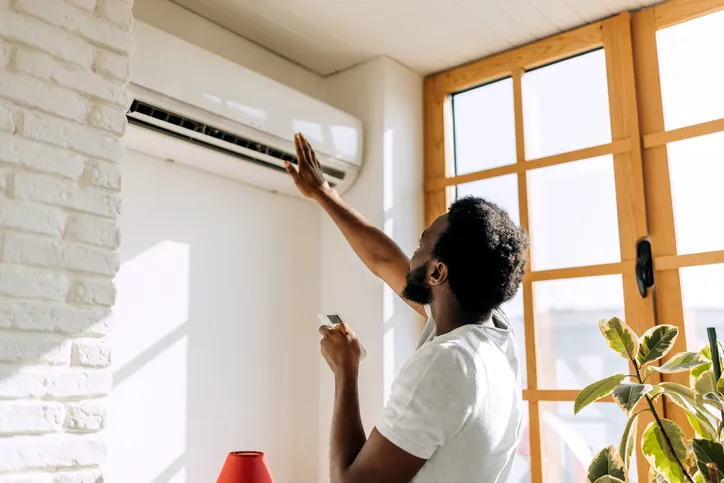
The service appointment follows a strict, logical protocol to isolate the issue:
- First, the technician performs a visual inspection of both the indoor air handler and the outdoor condenser unit. This involves checking for obvious signs of damage, such as oil stains that indicate refrigerant leaks, debris blocking the airflow, or physical damage to the casing.
- Next, the electrical connections are tested. Mini splits rely on precise communication between the indoor and outdoor units. Loose wiring, corroded terminals, or voltage irregularities can cause the system to throw error codes or shut down completely to protect the compressor.
- Following the electrical check, the technician evaluates the refrigerant levels. Unlike standard central air systems, mini splits are critically charged. Even a slight deficit in refrigerant can severely impact heating or cooling capacity. The technician measures superheat and subcooling levels to determine if a leak exists.
- Then, the condensate drainage system is inspected. One of the most common issues with wall-mounted units is a clogged drain line or a failed condensate pump, which can cause water to leak down your wall. The technician ensures water is flowing freely and that the pump is actuating correctly.
- Finally, the control boards and sensors are tested. Inverter boards modulate the speed of the compressor. If these boards fail or if thermistors (temperature sensors) are reading incorrectly, the system will not operate at the correct capacity.
Once the specific failure point is identified, you receive a clear explanation of the problem, the required parts for the repair, and a timeline for completion. This transparency ensures you know exactly what is being fixed and why.
How Repair Enhances System Efficiency
Repairing a mini split is about more than just getting the air blowing again; it is about restoring the system's energy efficiency. A malfunctioning unit often works twice as hard to produce the same amount of heating or cooling, leading to a significant spike in your utility bills. Addressing specific mechanical or electrical faults brings the system back to its intended SEER (Seasonal Energy Efficiency Ratio) rating.
Consider how specific repairs directly impact energy consumption:
- Refrigerant Leaks: When a system is low on refrigerant, the compressor runs continuously in an attempt to reach the set temperature. This not only wastes electricity but also overheats the compressor, shortening its lifespan. Sealing the leak and recharging the system allows the compressor to cycle off or ramp down as intended, saving energy.
- Dirty or Frozen Coils: If the evaporator or condenser coils are fouled with dust or grime, heat transfer is inhibited. The system must draw more amperage to overcome this resistance. Professional cleaning during the repair process maximizes heat exchange, allowing the unit to cool or heat your space with less energy.
- Sensor Calibration: If a temperature sensor is miscalibrated, the unit may run longer than necessary because it thinks the room is hotter or colder than it actually is. replacing or recalibrating these sensors ensures the unit shuts off precisely when the target temperature is reached.
- Fan Motor Issues: A dragging fan motor or a blower wheel packed with dust reduces airflow volume. This forces the inverter to ramp up the compressor speed to compensate. Repairing the motor or cleaning the blower wheel restores optimal airflow, allowing the system to run at lower, more efficient speeds.
By addressing these issues promptly, you prevent the "energy drift" that occurs when a system slowly degrades over time. You effectively reset the unit's performance baseline, keeping monthly operational costs in check.
When to Consider Replacement Over Repair
Deciding between repairing an existing mini split or investing in a new system is a major financial decision. While repair is often the most immediate and cost-effective solution, there are scenarios where sinking money into an old unit is not prudent. Jims Air Systems helps homeowners navigate this choice by looking at the long-term value.
Use the following criteria to evaluate whether a repair is the right path:
- The 5000 Rule: Multiply the age of the equipment by the estimated repair cost. If the total exceeds $5,000, replacement is generally the better investment. For example, if your unit is 10 years old and the repair is $600, the score is 6,000, suggesting replacement is safer.
- Frequency of Breakdowns: If you have required multiple repairs within the last two years, the system is likely reaching the end of its service life. Continually replacing components in a failing system is often more expensive than a one-time investment in a new unit with a fresh warranty.
- Refrigerant Type: Older systems may use R-22 refrigerant, which has been phased out and is incredibly expensive to source. If your R-22 system has a leak, the cost of refrigerant alone may justify upgrading to a modern system that uses R-410A or newer, more eco-friendly alternatives.
- Major Component Failure: If the compressor—the heart of the system—fails and the unit is out of warranty, the cost of parts and labor is often comparable to the price of a new outdoor unit. In these cases, a full replacement guarantees a longer lifespan and better efficiency.
- Efficiency Gains: Modern mini splits offer significantly higher SEER ratings than models from just a decade ago. If your current unit is rated 15 SEER and new models are hitting 25+ SEER, the energy savings from a replacement can help offset the installation cost over time.
This decision should be based on data and financial logic, not pressure. A professional assessment provides the hard numbers needed to make the smart choice for your home.
Local Climate Influence on Mini Split Systems
The climate in Newark and the surrounding San Francisco Bay Area presents specific challenges for ductless heat pumps. While the Mediterranean climate is generally mild, the distinct wet winters and dry summers impact how these systems age and operate. Understanding these local factors helps in anticipating repair needs.
- Marine Layer and Corrosion: Proximity to the bay brings salt air and persistent fog. Over time, this saline moisture can accelerate corrosion on the outdoor condenser coils and electrical terminals. Regular inspection of the outdoor unit is necessary to catch corrosion early before it causes a refrigerant leak or electrical short.
- Dry Season Dust and Pollen: From May to September, the region sees very little rain. This dry period creates dust and pollen accumulation, which can heavily coat the outdoor coil and clog the delicate filters in the indoor heads. A clogged system during the peak of summer leads to reduced cooling capacity and potential water leakage from the indoor unit due to frozen coils.
- Winter Drainage Issues: During the wet winter months between November and March, the heating function of the mini split creates condensation at the outdoor unit. If the drain holes are blocked by debris or if the unit is not mounted high enough off the ground, water can pool and freeze (on rare freezing nights) or cause rust. Ensuring proper drainage is a critical repair and maintenance task in this region.
- Variable Heating Load: The Bay Area often sees large temperature swings from day to night. Mini splits are excellent for this because they modulate output. However, if the system is low on refrigerant, it will struggle to ramp up quickly when the sun goes down and temperatures drop, leading to complaints of "lukewarm" air during winter evenings.
Recognizing these environmental stressors allows technicians to check the most vulnerable parts of the system first, speeding up the repair process.
Why Professional Diagnostics Matter
Attempting to troubleshoot a mini split without specialized training is rarely successful and can often be dangerous. Unlike window AC units, mini splits involve high-voltage electricity, pressurized refrigerant, and proprietary communication protocols between the indoor and outdoor units.
Professional repair offers distinct advantages over handyman fixes or DIY attempts:
- Accurate Leak Detection: Finding a refrigerant leak in a mini split requires sensitive electronic sniffers or ultrasonic detectors. Guessing where the leak is often leads to "gas-and-go" scenarios where the system works for a week and then fails again because the hole wasn't sealed.
- Inverter Technology Knowledge: The inverter board converts AC power to DC to run the compressor at variable speeds. Troubleshooting these boards requires a multimeter and the ability to read complex electrical diagrams. An incorrect diagnosis can lead to replacing expensive boards that were actually functioning fine.
- Proper Tools and Safety: Technicians come equipped with flaring tools, vacuum pumps, and micron gauges. These tools are necessary to ensure that refrigerant lines are connected tightly and that the system is free of moisture and non-condensables. Improper flaring is the number one cause of leaks in these systems.
- Code Compliance: Local regulations regarding electrical work and refrigerant handling are strict. Professional technicians adhere to all safety codes and environmental regulations, protecting you from liability.
Choosing a qualified service provider ensures that the warranty on your equipment remains valid. Many manufacturers will void warranties if repairs are performed by unlicensed individuals.
Securing Your Comfort with Reliable Repair
A broken mini split disrupts your life, whether it is making your home unbearable during a heatwave or uncomfortable during a winter chill. The priority is always to restore function safely, efficiently, and quickly. By understanding the complexity of these systems and the specific demands of the local climate, you can see why professional intervention is the only viable path to long-term reliability.
We prioritize clear communication, rapid response times, and technical excellence in every interaction. Don't let a minor malfunction turn into a total system failure through neglect or delay.
Take control of your indoor climate today. Schedule your expert mini split repair service now.

Your Trusted Local AC Experts
When the summer heat hits, you need an air conditioning system you can rely on. At Jim's Air Systems, we specialize in keeping your home cool and comfortable. Whether you need an emergency repair, a seasonal tune-up, or a brand new high-efficiency air conditioner, our family is here to help.
Our Air Conditioning Services include

AC Repair
We service all makes and models, quickly diagnosing and fixing any issue.
AC Installation & Replacement
Get a perfectly sized, high-efficiency system with our owner-led design and installation process.
AC Maintenance
Prevent breakdowns and improve efficiency with our comprehensive AC tune-ups.
Signs You Needs AC Service
.svg)
Ready for a Cooler, More Comfortable Home?
Whether you need an emergency repair or a free estimate on a new, energy-efficient air conditioner, our family is ready to provide honest advice and expert service. Contact us today!