
Unreliable Temperature Control Driving Up Your Energy Costs?
Dealing with inconsistent heating, cooling failures, or excessive utility bills in Newark can be frustrating, especially when it disrupts your daily comfort and budget. Contact us today at [Insert Phone Number] to schedule an assessment or inquire about our flexible financing options to restore efficiency to your home immediately.
Homeowners frequently delay addressing HVAC inefficiencies until the system fails completely, often during the peak of summer heat or a winter chill. We prioritize rapid response and technical precision to ensure your home remains comfortable regardless of the season. When you schedule an installation with Jims Air Systems, you are choosing a streamlined process designed to minimize downtime and maximize energy savings.
- Experience prompt service availability to quickly rectify heating and cooling issues before they escalate.
- Benefit from transparent pricing structures that eliminate hidden costs and surprise fees.
- Enjoy a correctly sized and installed system that immediately lowers monthly energy bills.
- All installations are fully licensed, compliant with local codes, and backed by robust manufacturer warranties and workmanship guarantees.
Defining the Scope of Your HVAC Installation Visit
When you commit to a new HVAC installation, knowing exactly what will happen on the day of service helps alleviate stress and ensures you can plan your day accordingly. The scope of a professional installation goes far beyond simply swapping out a box. It involves a comprehensive assessment of your home’s thermal characteristics to ensure the new unit performs according to manufacturer specifications.
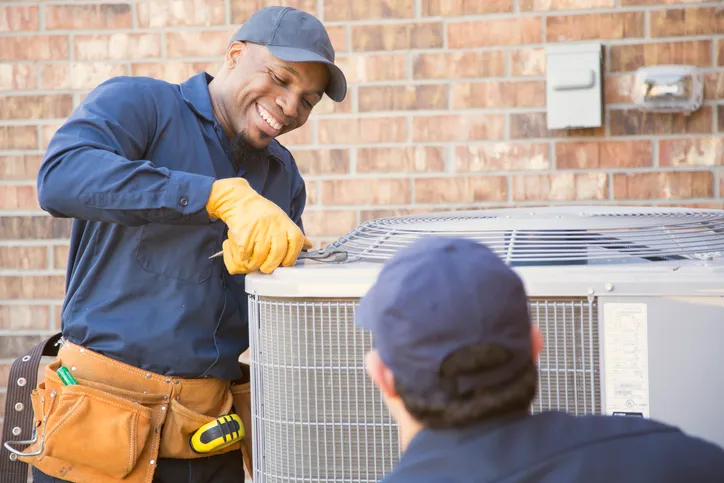
A professional team arrives with all necessary equipment, reducing the need for multiple trips. The focus is on executing a seamless transition from your old, inefficient unit to a modern, high-performance system. This visit includes the safe disconnection of gas or electrical lines, the environmentally responsible recovery of old refrigerant, and the physical removal of the existing equipment.
The scope also covers an inspection of the existing ductwork and infrastructure. Even the most advanced furnace or air conditioner cannot function efficiently if the delivery system is compromised. Technicians check for leaks, adequate insulation, and proper airflow dynamics. If the plenum or transition pieces need modification to fit the new unit, this fabrication work is typically handled on-site or prepared beforehand to ensure a tight seal.
Expect the following components during the installation visit:
- Site Protection: Technicians use drop cloths and shoe covers to protect your flooring and keep the work area clean.
- System Sizing Verification: Confirmation that the unit capacity matches the specific heating and cooling load requirements of your property.
- Safety Checks: Inspection of gas lines, flues, and electrical connections to prevent future hazards.
- Thermostat Integration: Installation and calibration of new control units, including smart thermostats if selected.
The Installation Workflow: From Site Prep to Final Test
A structured workflow is the hallmark of a professional installation. This ensures that no step is overlooked and that the system operates at peak efficiency from the moment it is turned on. The process is methodical, prioritizing safety and adherence to technical standards at every stage.
- Preparation and Safety Disconnects: The process begins with shutting off power and gas supplies to the existing unit. Technicians verify zero energy flow before touching any components. The area around the installation site is cleared of debris to allow for safe maneuvering of heavy machinery. If the unit is located in an attic or crawlspace, access paths are secured.
- Removal and Disposal: The old unit is disconnected. Refrigerant is reclaimed into certified cylinders to prevent atmospheric venting, adhering to EPA regulations. The old equipment is then removed from the property. In Newark, proper disposal of these units is critical, and the service team handles all hauling and recycling logistics so you do not have to deal with municipal waste requirements.
- Positioning and Connection: The new unit is positioned on a leveled pad or secured mounting bracket. This step is vital for reducing vibration and noise. Once placed, the "line set"—the copper tubing connecting indoor and outdoor units—is installed or brazed. A vacuum pump is used to remove moisture and air from the lines, creating a sealed environment for the refrigerant. Electrical wiring is connected, ensuring the gauge of the wire meets the amperage requirements of the new system.
- Commissioning and Testing: Once physically installed, the system is not just turned on; it is commissioned. This involves releasing the refrigerant, checking static pressure in the ducts, and measuring the temperature difference (delta T) between supply and return air. Technicians verify that the furnace ignites safely or that the compressor engages without strain.
- User Orientation: Before leaving, the lead technician walks you through the operation of the new system. This includes how to change filters, how to program the thermostat, and what maintenance schedules are required to keep the warranty valid.
Critical Factors When Deciding Between Repair and Replacement
Determining whether to repair a faltering unit or invest in a full replacement is a significant financial decision. While repairs may seem cheaper in the short term, they often act as a bandage on a system that is bleeding money through inefficiency. Bottom-of-the-funnel decision-making requires analyzing the long-term cost of ownership rather than just the immediate price tag.
- The 50% Rule: A common industry standard for making this decision is the 50% rule. If the cost of the necessary repair approaches 50% of the value of the system, or 50% of the cost of a new unit, replacement is generally the smarter financial move. Investing heavy capital into an aging asset rarely yields a return on investment.
- System Age and Reliability: HVAC systems generally last between 10 and 15 years. If your unit is over 10 years old and requires a major component replacement, such as a compressor or heat exchanger, it has likely reached the end of its useful life. Older units also utilize phased-out refrigerants like R-22 (Freon), which are exorbitantly expensive to replenish. Upgrading to a system that uses R-410A or newer refrigerants ensures future serviceability.
- Energy Efficiency Ratings (SEER2 and AFUE): New regulations have raised the minimum efficiency standards for HVAC equipment. Modern systems have higher SEER2 (Seasonal Energy Efficiency Ratio) ratings for cooling and AFUE (Annual Fuel Utilization Efficiency) ratings for heating. Replacing a 10 SEER unit with a modern 16+ SEER system can reduce cooling costs by a significant margin. If your energy bills have been steadily climbing despite normal usage, the equipment is likely losing its ability to transfer heat effectively.
- Comfort consistency: If some rooms in your house are freezing while others remain hot, or if the unit runs constantly without reaching the set temperature, the system may be undersized or the compressor may be failing. Jims Air Systems can perform a load calculation to determine if the current unit was ever the right size for the home, as renovation or insulation changes over the years can alter capacity needs.
Navigating Newark Requirements and Regional Climate Factors
Local knowledge plays a pivotal role in a successful HVAC installation. Newark operates under specific regional climate patterns and regulatory codes that influence how systems must be selected and installed. Ignoring these factors can lead to compliance issues during a home sale or insufficient comfort during extreme weather.
- Compliance with Title 24: California’s Title 24 Energy Efficiency Standards are among the strictest in the nation. These codes dictate specific requirements for duct sealing, airflow verification, and thermostat capabilities. An installation in Newark must meet these standards to pass inspection. This often includes mandatory duct testing to ensure leakage does not exceed allowable percentages. A professional installation ensures all Title 24 documentation is prepared and filed correctly.
- Permitting and Safety Codes: Modifying heating and cooling systems requires a building permit from the City of Newark. This process ensures that gas lines are pressure-tested and electrical circuits are dedicated and grounded properly. Professional installers handle the permit acquisition and coordinate the final inspection with city officials, ensuring the homeowner is not liable for unpermitted work.
- Climate-Specific Hardware Selection: The local climate features a Mediterranean profile with wet, mild winters and hot, dry summers. While heating is necessary, the demand is often moderate compared to freezing climates, allowing for the potential use of heat pumps which can handle both heating and cooling efficiently. However, the dry summer heat puts a significant load on air conditioners. Systems installed here must have adequate tonnage to handle heat spikes in August and September without short-cycling. Additionally, because the winters can be damp, ensuring the furnace or air handler has proper humidity control features helps prevent mold growth and maintains indoor air quality.
Ensuring Long-Term Efficiency Through Professional Standards
The longevity of an HVAC system is determined more by the quality of the installation than the brand of the equipment. A top-tier unit installed poorly will perform worse than a mid-range unit installed perfectly. Professional installation focuses on the details that impact the life cycle of the equipment.
One major differentiator is the focus on airflow. Improper airflow can cause the evaporator coil to freeze in the summer or the heat exchanger to crack in the winter due to overheating. Technicians verify that the ductwork is sized correctly to handle the cubic feet per minute (CFM) of air the new system pushes. If the ducts are too small, the blower motor works harder, consuming more electricity and burning out prematurely.
Proper refrigerant charging is another area where expertise matters. An undercharged system struggles to cool, while an overcharged system risks damaging the compressor. Manufacturers provide subcooling and superheat specifications that must be met exactly. Using digital gauges and temperature clamps, installers ensure the charge is dialed in to the decimal point.
Vibration isolation is also critical. Improperly mounted units can transmit noise through the structure of the house and cause fittings to loosen over time. Use of isolation pads and flexible duct connectors separates the mechanical vibration from the home’s framing, resulting in quieter operation and fewer mechanical failures.
Finally, a professional installation includes a warranty that covers labor. While manufacturers cover parts, the labor warranty from the installer protects the homeowner from defects in workmanship. This provides peace of mind that if an issue arises due to the installation process, it will be rectified without additional cost.
Securing Comfort and Value for Your Home
Investing in a new HVAC system is a significant decision that impacts your home’s comfort, energy efficiency, and resale value for years to come. By prioritizing a professional installation, you ensure that the equipment operates safely, meets all local Newark codes, and delivers the energy savings promised on the rating label. Don't let an aging system drain your wallet or compromise your indoor environment.
Take the next step toward a reliable, efficient home climate. Contact us today to discuss your installation needs and schedule a consultation.

Your Trusted Local AC Experts
When the summer heat hits, you need an air conditioning system you can rely on. At Jim's Air Systems, we specialize in keeping your home cool and comfortable. Whether you need an emergency repair, a seasonal tune-up, or a brand new high-efficiency air conditioner, our family is here to help.
Our Air Conditioning Services include

AC Repair
We service all makes and models, quickly diagnosing and fixing any issue.
AC Installation & Replacement
Get a perfectly sized, high-efficiency system with our owner-led design and installation process.
AC Maintenance
Prevent breakdowns and improve efficiency with our comprehensive AC tune-ups.
Signs You Needs AC Service
.svg)

Frequently Asked Questions

We recommend having your air conditioning system professionally serviced once a year, ideally in the spring, to ensure it's ready for the summer heat.
Yes! Jim’s Air Systems is a family-owned and operated business. We take pride in delivering honest, reliable service and treating our customers like family, with a strong focus on quality workmanship and long-term relationships.
A trained, licensed HVAC professional from Jim’s Air Systems will visit your home for the estimate. Our technician will assess your needs, answer your questions, and provide a clear, upfront estimate with no pressure or hidden fees.
Ready for a Cooler, More Comfortable Home?
Whether you need an emergency repair or a free estimate on a new, energy-efficient air conditioner, our family is ready to provide honest advice and expert service. Contact us today!