Is Your Furnace Blowing Cold Air or Making Strange Noises?
Is your home suddenly feeling colder despite the system running, leaving you searching for reliable help in Newark, CA? Jims Air Systems understands that a furnace breakdown during a chilly Bay Area evening is an urgent matter that requires immediate professional attention. Contact us today to schedule your diagnostic, check our availability, or ask about our flexible financing options.
- Get a certified technician at your door within hours to restore comfort to your home.
- Enjoy transparent, upfront pricing with no hidden fees before any work begins.
- Benefit from a full diagnostic and speedy, expert repairs using fully stocked trucks.
All repairs come with a warranty and the option for easy financing to ensure your heat is restored without financial stress.
Comprehensive Diagnostics and Immediate Repair Solutions
When your heating system fails, you need more than a quick patch; you need a thorough investigation into why the failure occurred to prevent it from happening again. A professional service call begins with a comprehensive evaluation of the entire heating envelope. Technicians arrive prepared to troubleshoot a wide array of furnace types, including single-stage, two-stage, and modulating gas furnaces, as well as electric air handlers.
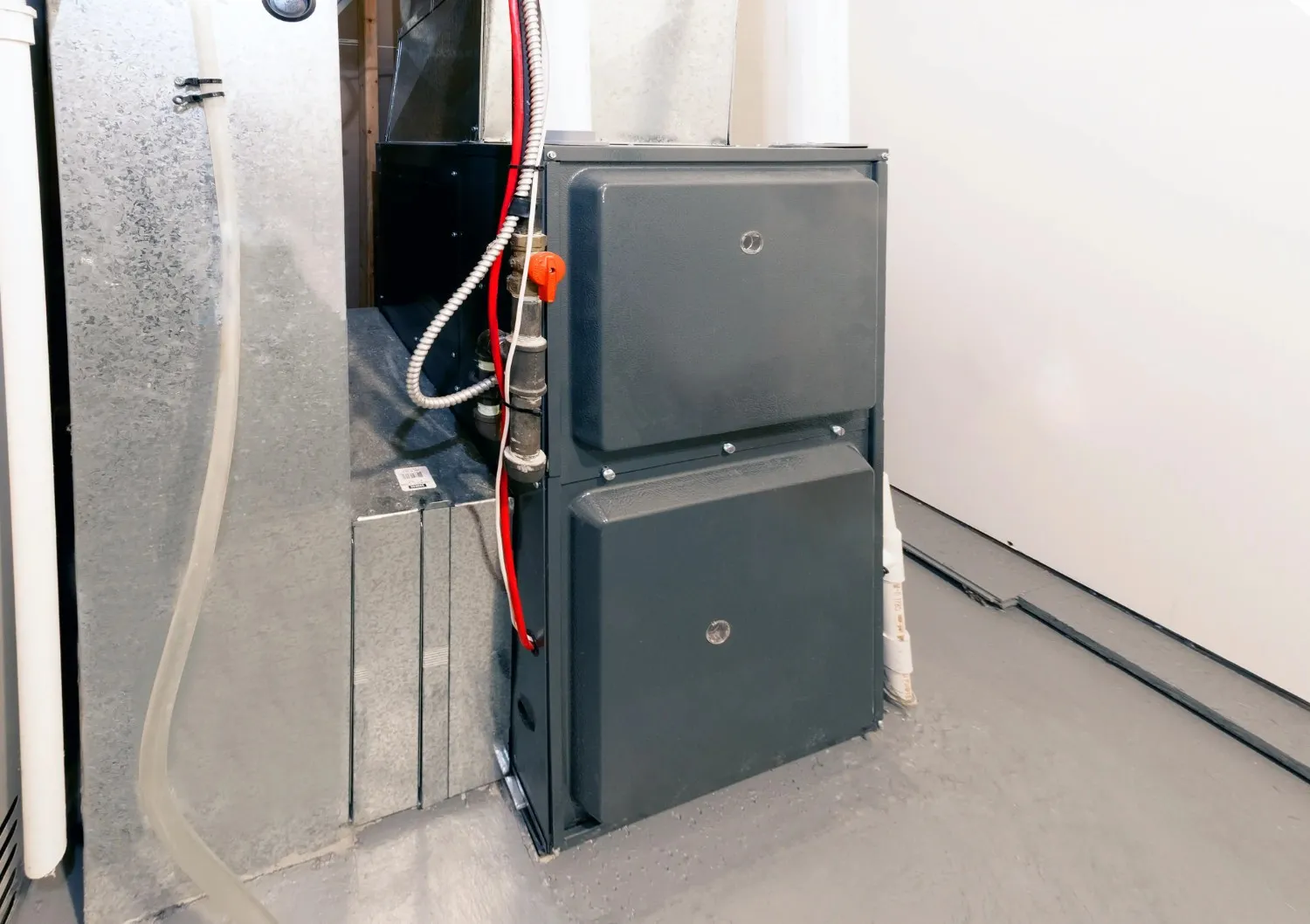
The primary goal during the initial visit is to identify the root cause of the malfunction. In Newark, where the climate is generally mild but subject to damp winters, specific issues often arise regarding ignition systems and airflow. Moisture can affect electrical components, while dust buildup from dry summers can clog critical sensors.
Upon arrival, the service includes:
- Thermostat Calibration Check: Ensuring the communication between your control interface and the furnace board is accurate.
- Airflow Analysis: Checking for blockages in the filter, return ducts, or supply vents that could cause overheating.
- Safety Component Testing: Verifying that limit switches, flame rollout switches, and pressure switches are functioning to protect your home.
- Electrical Connection Tightening: Securing loose wires that may have vibrated free over years of operation.
- Ignition Sequence Troubleshooting: Inspecting the pilot light, hot surface igniter, or spark ignition module for faults.
Most standard repairs can be completed during the first visit. Service vehicles are typically stocked with universal parts such as flame sensors, igniters, capacitors, and blower motors. If a specialized part is required, the procurement process is handled swiftly to minimize downtime.
The Furnace Repair Process: From Diagnostic to Heat
Understanding the repair workflow helps alleviate the stress of a breakdown. Professional HVAC providers follow a strict protocol to ensure safety, efficiency, and transparency. This systematic approach guarantees that nothing is overlooked and that the heating system operates at peak performance once the job is done.
The process typically follows this sequence:
- Arrival and Site Protection: The technician arrives at your property, wearing shoe covers and using drop cloths to protect your flooring and workspace.
- System Consultation: The technician listens to your observations regarding noises, smells, or specific performance issues to narrow down the potential problem areas.
- Visual and Mechanical Inspection: The furnace cabinet is opened, and a multi-point inspection is conducted on the heat exchanger, burner assembly, and blower compartment.
- Diagnosis and Upfront Quoting: Once the issue is identified, you receive a clear explanation of the failure and a flat-rate price for the repair. No work proceeds without your explicit approval.
- Execution of Repair: The technician performs the necessary mechanical or electrical fixes, replacing damaged components with OEM or high-quality equivalent parts.
- System Testing: The furnace is cycled through several operational stages to ensure the burner ignites smoothly, the blower engages at the correct speed, and the system shuts down safely.
- Carbon Monoxide Screening: A critical safety step involves testing for gas leaks and carbon monoxide presence to ensure the air quality in your home remains safe.
Identifying Common Heating Failures
Heating systems are complex machines with many moving parts. While some issues are minor, others indicate serious mechanical failures. Recognizing the symptoms early can often save homeowners in Newark from more extensive and expensive repairs down the line.
Ignition or Pilot Control Problems
Modern furnaces typically use hot surface ignition or intermittent pilots rather than standing pilot lights. If these components crack or fail, the furnace will not generate heat. This is often characterized by the furnace "clicking" repeatedly but failing to fire up.
Worn Ball Bearings and Blower Motor Issues
If you hear a scraping or squealing sound, it often indicates that the ball bearings in the blower motor have worn out. If left unaddressed, the motor can seize, leading to a complete loss of air movement and potential electrical damage to the control board.
Dirty or Faulty Flame Sensors
The flame sensor is a safety device that detects if a fire is actually burning. If it becomes coated in carbon or dust, it will shut the gas valve off after a few seconds to prevent raw gas from filling the combustion chamber. This results in the furnace turning on and off rapidly, known as short-cycling.
Thermostat Malfunctions
Sometimes the issue is not the furnace itself but the brain controlling it. A malfunctioning thermostat can fail to send the call for heat, read the room temperature incorrectly, or lose connection with the furnace entirely.
Deciding When to Repair vs. Replace Your Heating System
One of the most difficult decisions a homeowner faces during a breakdown is whether to invest in a repair or opt for a full system replacement. This decision should be based on data, safety, and long-term financial sense rather than immediate convenience.
You should generally opt for repair if:
- The System is Under 10 Years Old: Most modern furnaces have a lifespan of 15 to 20 years. If the unit is relatively new, a repair is usually the most cost-effective choice.
- The Repair Cost is Reasonable: Industry experts often cite the "50% Rule." If the cost of the repair is less than 50% of the cost of a new system, and the unit has remaining service life, repair is viable.
- The Unit Has Been Well Maintained: If you have consistent maintenance records and this is the first major breakdown, the system likely has many good years left.
You should consider replacement if:
- The Heat Exchanger is Cracked: A cracked heat exchanger allows carbon monoxide to leak into the living space. This is a "red tag" event, meaning the furnace must be shut down immediately for safety. Replacing the heat exchanger is labor-intensive and expensive, often making a full system replacement the smarter option.
- Frequency of Repairs: If you have required multiple repairs in the last two years, the system is likely entering its end-of-life failure curve. Continuing to patch it will cost more than a monthly payment on a new, high-efficiency unit.
- Rising Energy Bills: Older furnaces often operate at 60% to 70% AFUE (Annual Fuel Utilization Efficiency). Modern units operate at 95% to 98% efficiency. If your utility bills from PG&E are skyrocketing, upgrading to a high-efficiency model can offset the installation cost over time.
Local Considerations for Heating
Operating a furnace in the Bay Area presents specific challenges and requirements that differ from other regions. While the winters are not sub-zero, the humidity and regulatory environment play a significant role in how heating systems are repaired and maintained.
Climate and Humidity Factors
Newark experiences a Mediterranean climate with wet winters, particularly from December to February. This moisture content in the air can lead to faster oxidation and rust on metal components, specifically the burners and the heat exchanger. Technicians must be vigilant in checking for corrosion that could compromise the structural integrity of the furnace.
Permits and Building Codes
Any significant alteration to a gas line or the installation of a new furnace requires adherence to the Northern California Building Codes. While minor repairs typically do not require a permit, Jims Air Systems ensures that all work performed meets the strict safety standards required by local authorities. This includes proper venting requirements to prevent back-drafting of combustion gases.
Utility Rebates and Efficiency Standards
California has some of the strictest energy standards in the country. Homeowners should be aware that repairs must maintain the system's efficiency. Furthermore, when considering major repairs or replacements, there are often rebates available through the California Energy Commission or local utility providers for upgrading to environmentally friendly equipment.
Why Professional Execution Matters
The difference between a quick fix and a lasting solution lies in the technical expertise of the service provider. Modern heating systems are integrated with sophisticated electronics and require precise calibration.
Safety Protocols
Furnaces burn fuel to create heat. Incompetent handling of gas connections, high-voltage electricity, or combustion venting can create immediate hazards, including fire and carbon monoxide poisoning. Certified professionals carry the necessary testing equipment to verify that the system is operating safely before they leave your home.
Warranty Preservation
Most furnace manufacturers require proof of professional service to maintain the validity of the parts warranty. DIY repairs or work performed by unlicensed handymen can void these warranties, leaving the homeowner liable for future expensive part replacements.
Accurate Diagnosis
Misdiagnosing a furnace issue is common among inexperienced technicians. Replacing a control board when the issue is actually a loose ground wire wastes money and time. Experienced professionals utilize multimeters and manometers to derive data-driven diagnoses, ensuring the right part is replaced the first time.
Long-Term Reliability
A properly repaired furnace runs more efficiently and quietly. By addressing not just the broken part but the underlying cause—such as restricted airflow causing a motor to burn out—professional service extends the overall lifespan of the heating system.
Restoring Comfort to Your Home
A broken furnace disrupts your life and compromises the comfort of your home. Whether it is a minor electrical fault or a major mechanical failure, the goal is always the same: safe, efficient, and reliable heat. Addressing issues promptly prevents cascading failures and ensures that your home remains warm throughout the winter months.
If you are experiencing heating issues, do not wait for the temperature to drop further. Secure your comfort and safety with a professional assessment today. Contact us now to schedule your furnace repair and get your system back up and running.
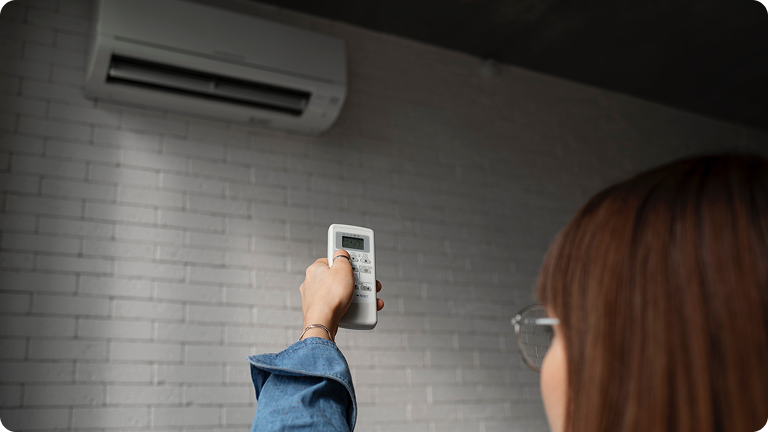

Your Trusted Local AC Experts
When the summer heat hits, you need an air conditioning system you can rely on. At Jim's Air Systems, we specialize in keeping your home cool and comfortable. Whether you need an emergency repair, a seasonal tune-up, or a brand new high-efficiency air conditioner, our family is here to help.
Our Air Conditioning Services include

AC Repair
We service all makes and models, quickly diagnosing and fixing any issue.
AC Installation & Replacement
Get a perfectly sized, high-efficiency system with our owner-led design and installation process.
AC Maintenance
Prevent breakdowns and improve efficiency with our comprehensive AC tune-ups.
Signs You Needs AC Service
.svg)
Ready for a Cooler, More Comfortable Home?
Whether you need an emergency repair or a free estimate on a new, energy-efficient air conditioner, our family is ready to provide honest advice and expert service. Contact us today!