
Is Your Mini Split System Failing to Maintain Temperature?
When your ductless unit stops cooling during a Clayton heat wave or fails to heat during a winter chill, the disruption to your comfort is immediate and frustrating. You do not need to wait days for a solution; contact us now to schedule a diagnostic visit or inquire about our flexible financing options.
Jims Air Systems understands that homeowners require rapid response times and technical accuracy when a mini split system goes down. Whether the unit is blowing warm air in the summer, refusing to turn on, or making unusual noises, professional intervention is necessary to prevent permanent compressor damage.
- Same-day repair availability to restore your indoor climate quickly
- Transparent, flat-rate pricing with no hidden service fees
- Certified technicians trained specifically on inverter-driven ductless technology
- Comprehensive inventory of parts to resolve most issues on the first visit
All repairs are backed by a solid warranty for your peace of mind, with financing options available for major system overhauls.
Immediate Diagnostic and Repair Protocols
A malfunctioning mini split requires a different diagnostic approach than a standard central air conditioner. These systems rely on sophisticated computer boards, variable-speed compressors, and complex communication wiring between indoor and outdoor units. When a technician arrives at your home in Clayton, the goal is to pinpoint the exact failure point—whether electrical, mechanical, or refrigerant-related—within the first hour of service.
Service begins with a complete system evaluation. Technicians do not simply guess; they utilize advanced diagnostic tools to read error codes directly from the unit’s internal computer. This eliminates trial and error. You receive a clear explanation of what is broken, why it failed, and exactly what is required to fix it. This stage moves beyond simple filter cleaning to address the core components that drive efficiency and performance.
The scope of repair often involves working with proprietary electronics. Unlike older HVAC units that operate on simple on/off switches, mini splits use inverters to modulate power. A failure here often mimics a refrigerant issue. A qualified professional distinguishes between a control board failure and a compressor issue, saving you from paying for unnecessary and expensive parts.
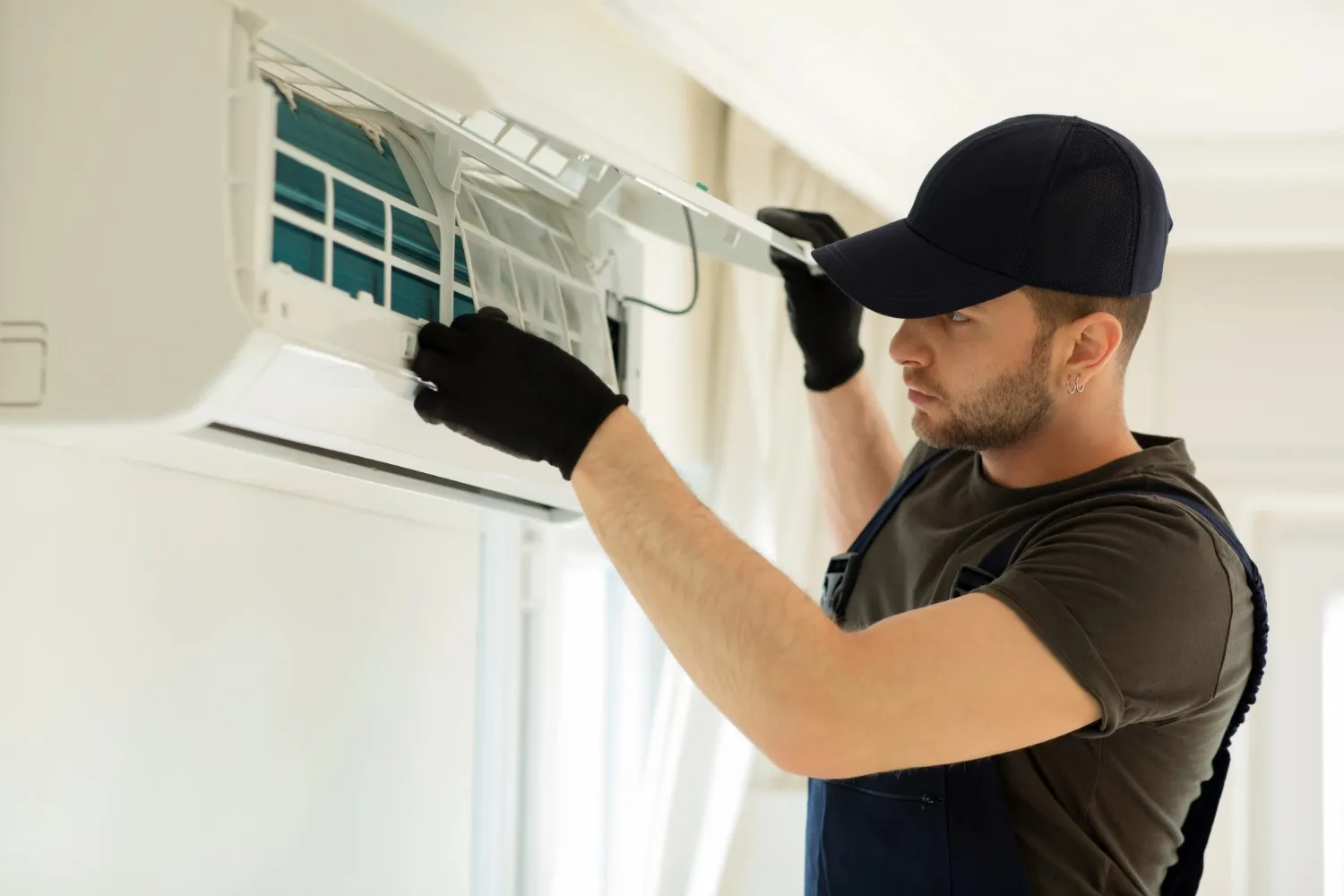
The Technical Workflow for Restoring System Functionality
Restoring a ductless mini split to full operation involves a strict, sequential process. Skipping steps can lead to recurring issues or voided manufacturer warranties. Professional repair services adhere to industry best practices to ensure the fix is permanent.
- System Isolation and Safety Check: The technician first disconnects power to both the indoor head and the outdoor condenser. This allows for safe inspection of high-voltage connections and prevents short circuits during the diagnostic phase.
- Error Code Retrieval and Interpretation: Most modern mini splits communicate issues via flashing lights or digital codes. The technician decodes these signals using manufacturer service manuals to identify specific zones of failure, such as communication errors or sensor malfunctions.
- Electrical and Communication Testing: Since mini splits rely on a specific communication wire to sync the indoor and outdoor units, technicians test this connection for continuity. They also inspect the control board for burn marks, loose wiring, or blown fuses that interrupt signal transmission.
- Refrigerant Charge Verification: Using specialized gauges, the technician measures the operating pressures and line temperatures. If a leak is suspected, nitrogen pressure tests or electronic leak detectors are used to locate the breach in the flare connections or coil.
- Component Repair or Replacement: Once the fault is isolated, the repair is executed. This may involve re-flaring copper lines, replacing a seized condensate pump, swapping out a thermistor, or installing a new inverter board.
- Performance Validation: After the repair, the system is restarted. The technician measures the "Delta T" (the temperature difference between supply and return air) to verify the unit is cooling or heating within manufacturer specifications before leaving the premises.
Evaluating Repair Costs Against System Replacement
Homeowners often face the difficult decision of whether to invest in a repair or replace the system entirely. This decision relies on three main factors: the age of the equipment, the cost of the repair, and the availability of refrigerant.
The Age of the System
Mini split systems typically have a lifespan of 12 to 15 years with proper maintenance. If your unit is under seven years old, repair is almost always the correct financial choice, as the core components likely have years of service life remaining. However, if the system exceeds 12 years and requires a major component like a compressor, replacement offers better long-term value through improved energy efficiency and new warranties.
The 50% Rule
Industry standards suggest that if the cost of the repair approaches or exceeds 50% of the cost of a new system, replacement is the wiser investment. For example, replacing a small sensor or control board is cost-effective. However, replacing a compressor and out-of-warranty inverter board simultaneously may cost nearly as much as a brand-new, more efficient unit.
Refrigerant Type and Availability
Older systems may utilize R-410A refrigerant, which is currently the standard but is being phased down in favor of newer alternatives. If your system relies on obsolete refrigerants like R-22 (rare in mini splits but possible in very old conversions), repair is often not viable due to the exorbitant cost of the refrigerant itself. Jims Air Systems technicians provide honest assessments, helping you calculate the return on investment for a repair versus the energy savings of a modern replacement.
Operational Challenges in the Local Climate
Clayton presents specific environmental challenges that impact the longevity and performance of ductless systems. The region experiences a Mediterranean climate, characterized by hot, dry summers and cool, wet winters. These conditions exert significant stress on HVAC equipment, necessitating specific repair considerations.
High Heat Load in Summer
During July and August, ambient temperatures can soar well above 90 degrees. This forces the mini split compressor to run at high capacity for extended periods. The most common failures during these months involve capacitors (in non-inverter units) and overheat protection sensors. The heat also degrades the insulation on refrigerant lines, which may need to be inspected and re-insulated during a repair call to prevent energy loss.
Winter Defrost Cycles
While winters are generally mild, temperatures drop low enough to trigger the heat pump's defrost mode. If a unit is low on refrigerant or has a faulty sensor, it may get stuck in defrost mode or fail to switch from cooling to heating. Repairing this often involves calibrating the reversing valve or addressing refrigerant levels to ensure the system can effectively extract heat from the outside air even on chilly mornings.
Particulate Matter and Drainage
The dry summer season generates dust and pollen, while the wet winter brings increased moisture. Mini split filters and blower wheels can become impacted with debris faster in this environment, reducing airflow and causing the coil to freeze. Furthermore, condensate drain lines can become clogged with algae or dust sludge. Clearing these blockages is a standard part of restoring a leaking indoor unit.
Permitting and Code Compliance
For minor repairs, such as swapping a capacitor or cleaning a coil, permits are generally not required. However, if a repair involves replacing the outdoor condenser or significant modifications to the electrical disconnect or refrigerant lines, local building codes may apply. Professional providers ensure all work adheres to local safety standards, protecting your home’s value and insurance validity.
Why Specialized Training is Required for Ductless Units
Mini splits are not the same as standard window units or central forced-air systems. They represent a significant leap in HVAC technology, utilizing variable refrigerant flow (VRF) and complex algorithms to maintain temperature. Because of this, general handymen or technicians who only work on traditional furnaces often misdiagnose ductless issues.
Inverter Technology Complexity
The heart of a mini split is the inverter, which converts AC current to DC to control the speed of the compressor motor. This allows the unit to ramp up and down rather than hard cycling on and off. Troubleshooting an inverter requires a multimeter and specific knowledge of DC voltage and frequency. An untrained technician might condemn a good compressor when the issue is actually a minor voltage irregularity on the board.
Proprietary Parts and Tools
Ductless systems require metric tools, specific flare nut torque wrenches, and adapters that are not standard in general HVAC trucks. Using the wrong torque on a flare connection is the number one cause of refrigerant leaks. Specialized technicians carry the correct tooling to ensure connections are leak-proof and secure.
Firmware and Logic Boards
Modern mini splits are essentially computers that cool air. Problems can sometimes be related to dip switch settings or firmware logic rather than mechanical failure. Specialists understand how to configure these settings to match the specific zone requirements of your home.
Restore Comfort and Efficiency
A broken mini split disrupts your life and compromises the energy efficiency of your home. Leaving a system in a state of disrepair leads to higher energy bills, increased wear on remaining components, and uncomfortable living conditions. Professional repair services bridge the gap between breakdown and peak performance, ensuring your system runs quietly and effectively.
Address the issue immediately to prevent minor faults from escalating into catastrophic system failures. A properly repaired unit maintains consistent temperature, controls humidity, and filters indoor air effectively.
Take control of your indoor climate today. Contact us to schedule your expert mini split repair service.
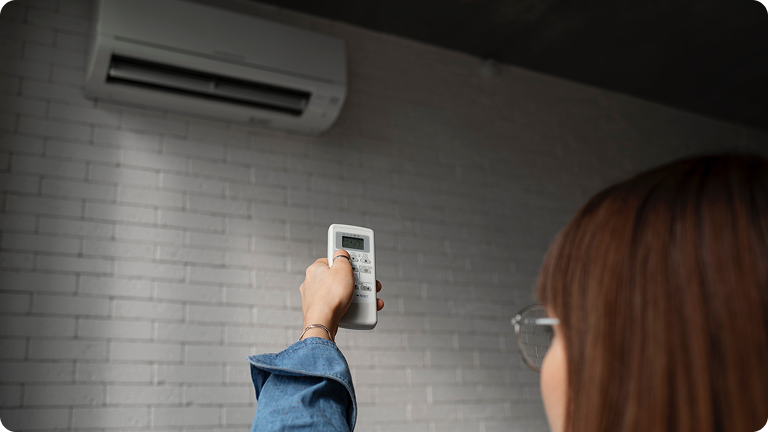

Your Trusted Local AC Experts
When the summer heat hits, you need an air conditioning system you can rely on. At Jim's Air Systems, we specialize in keeping your home cool and comfortable. Whether you need an emergency repair, a seasonal tune-up, or a brand new high-efficiency air conditioner, our family is here to help.
Our Air Conditioning Services include

AC Repair
We service all makes and models, quickly diagnosing and fixing any issue.
AC Installation & Replacement
Get a perfectly sized, high-efficiency system with our owner-led design and installation process.
AC Maintenance
Prevent breakdowns and improve efficiency with our comprehensive AC tune-ups.
Signs You Needs AC Service
.svg)
Ready for a Cooler, More Comfortable Home?
Whether you need an emergency repair or a free estimate on a new, energy-efficient air conditioner, our family is ready to provide honest advice and expert service. Contact us today!