
Resolve Your Heating Issues Quickly and Efficiently
Experiencing unexpected heating failures? Trust our swift, expert service to restore your comfort without delay. When the temperature drops in Clayton, CA, a malfunctioning furnace or heat pump is more than just an inconvenience; it disrupts your daily life and can compromise the safety of your home. You need a solution that addresses the root cause immediately, not a temporary patch that fails a few weeks later. Contact us now to schedule a diagnostic visit or to learn about our flexible financing options.
We prioritize getting your system back online with minimal downtime.
- Rapid response and diagnosis from certified technicians.
- Effective and lasting repairs, with same-day service available.
- Straightforward pricing with transparent quotes and no hidden fees.
All repairs meet local codes with comprehensive warranties and flexible financing options.
Restoring Heat and Comfort in Your Home
When your heating system fails, the primary goal is restoring a consistent, safe temperature in your living space. Modern heating systems are complex assemblies of electrical, mechanical, and sometimes gas-burning components. A failure in one area can trigger safety switches that shut down the entire unit to prevent danger. Residents in Clayton generally rely on these systems heavily during the wet, chilly winter months, making immediate restoration essential.
Our approach focuses on comprehensive diagnostics. We do not simply swap out parts until the unit turns on. Instead, technicians utilize advanced diagnostic tools to measure electrical voltage, gas pressure, airflow resistance, and combustion efficiency. This data-driven approach ensures that the repair addresses the underlying issue, whether it is a faulty control board, a failing blower motor, or an issue with the ignition sequence.
Service covers a wide array of heating technologies found in the region. This includes:
- Gas Furnaces: The most common source of heat, requiring precise calibration of gas valves and burners to ensure safe combustion and prevent carbon monoxide leaks.
- Heat Pumps: These systems provide both heating and cooling. Issues often involve the reversing valve, refrigerant levels, or defrost boards that prevent the outdoor unit from freezing over during cold snaps.
- Electric Air Handlers: Often used in conjunction with heat pumps, these units rely on resistive heating strips that must be checked for continuity and proper amperage draw.
- Thermostat and Control Systems: Sometimes the issue lies not in the machinery, but in the communication between the user interface and the equipment. Calibration and wiring checks resolve these discrepancies.
By covering the full spectrum of residential heating equipment, we ensure that homeowners receive a specific, technical solution tailored to their unique hardware. The objective is to extend the lifespan of your current equipment while maximizing its energy efficiency.
The Heating Repair Process from Diagnosis to Completion
Understanding what happens during a service visit helps eliminate the stress associated with home repairs. We follow a structured protocol designed to identify the problem, explain the solution, and execute the repair with precision. This standardized process ensures consistency and quality regardless of the type of heating system involved.
- Initial Assessment and Safety Check: Upon arrival, the technician performs a safety inspection. For gas systems, this involves checking for gas leaks and testing carbon monoxide levels. The technician then cycles the system to observe its behavior, listening for abnormal noises and checking error codes displayed on the control board.
- Component Testing: Using multimeters and manometers, the technician tests individual components. This might include checking the resistance of the hot surface igniter, verifying the flame sensor's microamp reading, or measuring the capacitor's ability to hold a charge. This step isolates the specific failure point.
- Transparent Quoting: Once the problem is identified, you receive a clear, itemized quote. This explanation details exactly what part failed, why it failed, and the total cost for the repair. No work begins until you approve this scope of work.
- Execution of Repair: The technician proceeds to remove the faulty component and install the manufacturer-approved replacement. This process also includes cleaning the immediate area, such as the burner assembly or blower wheel, if debris contributed to the failure.
- System Verification: After the part is installed, the system is not just turned on; it is tested. The technician measures temperature rise—the difference between the air entering the furnace and the air leaving it—to ensure it falls within manufacturer specifications. Static pressure is also checked to ensure proper airflow.
- Final Walkthrough: The technician explains the work performed, shows the old part if requested, and provides advice on how to prevent future issues, such as filter maintenance schedules.
Determining When a Replacement Is More Viable Than Repair
A critical decision homeowners face during a breakdown is whether to invest in a repair or opt for a full system replacement. This decision is rarely about preference; it is a financial and practical calculation. While Jims Air Systems focuses on extending the life of your unit through repair whenever possible, there are mathematical thresholds where replacement becomes the smarter economic choice.
- The 50% Rule: If the cost of the repair approaches or exceeds 50% of the value of a new system, replacement is generally recommended. Spending half the cost of a new unit on an old one often leads to diminishing returns, as other parts are likely to fail soon.
- Age of the Equipment: Most furnaces and heat pumps have a lifespan of 15 to 20 years. If your unit is over 15 years old and requires a major component replacement—such as a heat exchanger or a compressor—repair is often throwing good money after bad. New units offer warranties that protect you from costs for the next decade.
- Frequency of Breakdowns: If you have required multiple repairs in the last two years, the system has likely become unreliable. The cumulative cost of frequent service calls often exceeds the monthly cost of financing a new, high-efficiency system.
- Energy Efficiency Ratings (AFUE/SEER): Older units may operate at 70% to 80% efficiency (AFUE), meaning 20 to 30 cents of every dollar spent on gas goes up the flue pipe. Modern systems operate at 95% efficiency or higher. The monthly savings on utility bills can offset the cost of a new installation, making replacement a financial investment rather than just an expense.
- Safety Concerns: A cracked heat exchanger in a gas furnace is a non-negotiable replacement scenario due to the risk of carbon monoxide poisoning. In these instances, repair is not a safe option.
Navigating Local Climate and Building Requirements
Operating a heating system in Clayton, CA, requires specific attention to the local Mediterranean climate and regional building codes. While winters are generally mild compared to other parts of the country, the region experiences significant rainfall and cold nights from November through March. This moisture can impact heating systems, particularly outdoor heat pump units and roof-mounted package units.
- Moisture and Drainage: High humidity and rain require that flue pipes and condensate drains are perfectly clear. Blocked drains can cause water to back up into the furnace, tripping safety switches and causing rust. Technicians check these pathways to prevent water damage during the rainy season.
- Permitting and Code Compliance: Contra Costa County has specific building codes regarding HVAC repairs and replacements. Major repairs or alterations often require adherence to Title 24 energy efficiency standards. Professional service providers ensure that all work is documented and compliant with local regulations, protecting the homeowner’s property value and insurance eligibility.
- Carbon Monoxide Awareness: Because Clayton homes are often tightly sealed for energy efficiency, proper venting of gas appliances is critical. Local codes mandate functional carbon monoxide detectors in homes with gas heating. Service visits often include a verification that these safety devices are present and operational.
- Wildfire Smoke Impact: The region is prone to wildfire smoke during late summer and fall. This particulate matter can clog intake vents and filters rapidly. Preparing a heating system for winter often involves deep cleaning components that have been exposed to ash and smoke, ensuring unrestricted airflow when the heat is finally turned on.
Why Choose Professional Diagnostics Over Quick Fixes
In the age of online tutorials, some homeowners attempt to troubleshoot heating issues themselves. However, modern HVAC systems involve high-voltage electricity, combustible gases, and pressurized refrigerants. Professional diagnostics offer a level of safety and accuracy that DIY attempts cannot match.
- Accurate Fault Isolation: A symptom, such as a furnace blowing cold air, can have a dozen different causes—from a dirty flame sensor to a cracked heat exchanger or a tripped high-limit switch. Professional tools identify the exact electrical or mechanical failure, preventing the "parts cannon" approach where unnecessary parts are purchased and installed without solving the problem.
- Preservation of Manufacturer Warranties: Most equipment manufacturers require proof of professional maintenance and repair to honor parts warranties. unauthorized tampering can void these warranties, leaving the homeowner responsible for expensive future replacements.
- Comprehensive Safety Inspection: A professional doesn't just fix the broken part; they inspect the entire system for safety hazards. This includes checking for gas leaks, verifying proper venting, and ensuring electrical connections are tight to prevent fire hazards.
- Access to OEM Parts: Licensed contractors have access to Original Equipment Manufacturer (OEM) parts. These components are designed specifically for your unit, ensuring proper fit and performance. Generic or "universal" parts often fail prematurely or reduce the efficiency of the system.
- Liability and Insurance: Professional repair services carry liability insurance and workers' compensation. This protects the homeowner from financial liability in the event of an accident during the repair process.
When your heating system falters, you need a solution that is technically sound, legally compliant, and financially transparent. We provide the expertise required to navigate the complexities of modern heating equipment, ensuring your home remains warm and safe throughout the winter season. Whether you require an urgent repair or a consultation on system performance, Jims Air Systems is ready to assist.
Reach out to our team today to schedule your heating repair service and restore comfort to your home.
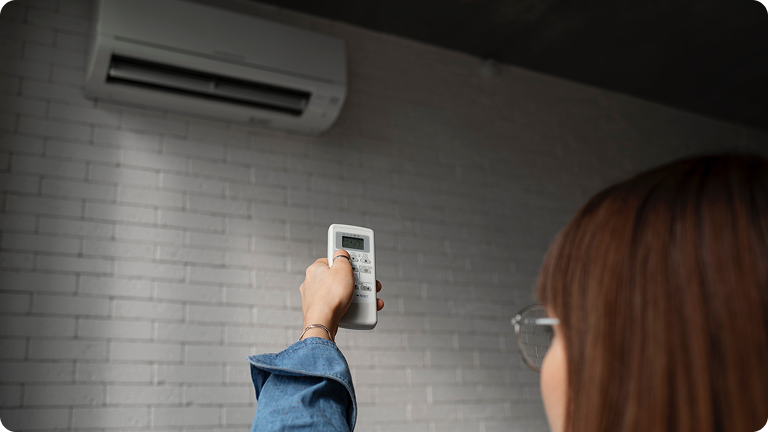

Your Trusted Local AC Experts
When the summer heat hits, you need an air conditioning system you can rely on. At Jim's Air Systems, we specialize in keeping your home cool and comfortable. Whether you need an emergency repair, a seasonal tune-up, or a brand new high-efficiency air conditioner, our family is here to help.
Our Air Conditioning Services include

AC Repair
We service all makes and models, quickly diagnosing and fixing any issue.
AC Installation & Replacement
Get a perfectly sized, high-efficiency system with our owner-led design and installation process.
AC Maintenance
Prevent breakdowns and improve efficiency with our comprehensive AC tune-ups.
Signs You Needs AC Service
.svg)
Ready for a Cooler, More Comfortable Home?
Whether you need an emergency repair or a free estimate on a new, energy-efficient air conditioner, our family is ready to provide honest advice and expert service. Contact us today!