
Secure Reliable Heating for Clayton’s Winter Chill
Unpredictable heating during a Clayton winter places unnecessary stress on your home and budget. When your furnace fails to combat the damp chill typical of the rainy season, you require a specialized installation service that guarantees consistent warmth. Contact us today to schedule your installation or inquire about financing options.
Jims Air Systems provides comprehensive furnace replacement solutions designed to handle the specific heating load requirements of local homes.
- Speedy installation ensures minimal disruption to your comfort.
- Energy-efficient options to reduce your utility bills.
- Expert advice on maintaining optimal heating year-round.
All installations are compliant with local regulations, with up-front transparent pricing.
Comprehensive Furnace Installation Services
Investing in a new heating system is about more than just swapping out a metal box; it is about upgrading your home’s entire thermal envelope. A modern installation addresses airflow issues, uneven heating zones, and fuel efficiency in a way that older units simply cannot. When you commission a professional installation, you are purchasing a calibrated system designed to communicate effectively with your thermostat and ductwork.
The scope of a professional installation covers every component required to safely generate and distribute heat. This includes the proper sizing of the unit based on Manual J load calculations, rather than simply guessing based on square footage. Oversized units cycle on and off too frequently, leading to wear and tear, while undersized units run constantly without satisfying the thermostat. The service ensures the unit matches the specific thermal characteristics of your property.
What to expect from a complete installation package:
- Site Evaluation and Sizing: Technicians measure windows, insulation levels, and room dimensions to determine the exact BTU output required.
- System Removal: Safe disconnection and disposal of the existing furnace, including environmentally responsible handling of old components.
- Infrastructure Adaptation: Modification of the plenum and transition ductwork to ensure the new, likely more compact unit fits the existing air distribution system seamlessly.
- Utility Connection: Professional reconnection of gas lines, including leak testing and sediment trap installation, as well as high-voltage and low-voltage electrical wiring.
- Venting Upgrades: Inspection and replacement of flue pipes to ensure combustion gases are safely expelled from the home, meeting current safety codes.
- Condensate Management: Installation of drainage for high-efficiency condensing furnaces which produce water as a byproduct of combustion.
The timeline for this service is typically focused on efficiency. Most standard change-outs are completed within a single day. Technicians arrive with a stocked truck, protecting flooring and workspaces, and work systematically to restore heat before evening. The goal is to transition from a failing unit to a high-performance system with zero downtime for the homeowner.

The Installation Process Step-by-Step
A systematic approach prevents future breakdowns and ensures the longevity of the equipment. Professional installers follow a rigid protocol to ensure every safety check and performance metric is met before leaving the premises. This process eliminates the variables that often lead to "lemon" systems—which are usually just good systems installed poorly.
- Site Preparation and Safety Setup: The workspace is prepared by laying down drop cloths and ensuring a clear path to the utility closet, attic, or basement. Gas and electricity supplies to the heating unit are shut off at the source. Safety is the priority, ensuring no gas leaks occur during the disconnection phase.
- Existing Unit Removal: The old furnace is carefully disconnected from the ductwork, gas line, flue pipe, and electrical supply. Care is taken not to damage the surrounding infrastructure. The unit is removed from the property for recycling.
- Ductwork and Plenum Modification: Newer furnaces often have different physical dimensions than models from 15 or 20 years ago. The supply and return plenums are modified or rebuilt to create an airtight seal with the new cabinet. This step is critical for maintaining static pressure and ensuring the blower motor does not overwork.
- Equipment Positioning and leveling: The new furnace is set in place. It must be perfectly level to ensure proper drainage for condensing models and quiet operation for the blower motor. Vibration isolation pads may be installed to reduce noise transfer to the structure of the home.
- Utility and Venting Connections: The gas line is reconnected using hard pipe and flexible connectors where code allows, followed by a soap-bubble test to confirm zero leaks. Flue pipes are connected and pitched correctly to ensure draft. Electrical connections are made, ensuring the polarity and grounding are correct for the modern circuit boards used in today's equipment.
- Thermostat and Control Setup: The thermostat is wired to control the various stages of heating. If a new smart thermostat is part of the package, it is installed and connected to the home’s Wi-Fi network. The system is programmed to handle the specific staging logic of the new furnace.
- Commissioning and Start-Up: The gas pressure is adjusted at the manifold to match the manufacturer’s specifications. The temperature rise (the difference between the air entering and leaving the furnace) is measured to ensure it falls within the rated range. Safety switches, including the limit switch and flame sensor, are tested for functionality.
Deciding Between Repair and Replacement
Determining when to stop investing in repairs and commit to a new system is a financial and logical decision. Homeowners in Clayton often grapple with this choice when the furnace breaks down in the middle of the rainy season. While a quick fix might seem attractive, it often acts as a bandage on a hemorrhaging wound.
The 50% rule is a standard metric used in the industry. If the cost of the repair approaches 50% of the value of a new system, replacement is the more economically sound choice. Furthermore, if the equipment is over 15 years old, parts availability decreases while the likelihood of catastrophic failure increases.
Scenarios where replacement is the only viable option:
- Cracked Heat Exchanger: This is a severe safety hazard that can leak carbon monoxide into the living space. It is non-repairable and requires an immediate shut-down of the unit.
- Rising Energy Bills: As internal components wear and heat transfer surfaces foul, the system requires more energy to produce the same amount of heat. A sudden spike in utility costs indicates the system has lost its efficiency.
- Uneven Heating: If some rooms are freezing while others are stifling, the blower motor or internal baffles may be failing to distribute air effectively.
- Frequent Cycling: If the furnace turns on and off every few minutes (short-cycling), the heat exchanger is under immense stress, leading to imminent failure.
- Noise Levels: Grinding, squealing, or banging noises suggest motor bearing failure or blower wheel imbalances that are costly to rectify on an aging chassis.
Jims Air Systems helps homeowners analyze these factors, providing a clear comparison between the cost of ongoing maintenance and the long-term savings of a modern, warrantied installation.
Local Considerations for Heating in California
Operating a furnace in the Clayton area involves specific regulatory and environmental considerations that differ from other parts of the country. The local climate, characterized by hot summers and wet, chilly winters, dictates the type of equipment that performs best. Furthermore, California leads the nation in environmental standards, which directly impacts equipment selection.
- Ultra-Low NOx Regulations: The California Air Resources Board (CARB) and local air quality districts enforce strict limits on Nitrogen Oxide (NOx) emissions from residential furnaces. Homeowners must install Ultra-Low NOx furnaces that meet these stringent environmental standards. These units use specialized burner technologies to reduce emissions, contributing to cleaner air in the Bay Area. Compliance is mandatory for all new installations.
- Permitting and Inspections: Furnace replacement is a permitted activity. Local building departments require a mechanical permit to ensure the installation meets safety codes regarding gas piping, electrical grounding, and venting. A final inspection by a city official is standard procedure to verify the safety of the work. Professional installers handle the permit application and scheduling of inspections as part of the service.
- Title 24 Efficiency Standards: California’s Title 24 energy code sets the baseline for energy efficiency. This includes requirements for duct sealing and testing. When a furnace is replaced, it often triggers a requirement to test the existing ductwork for leaks. If leakage exceeds a certain percentage, duct sealing must be performed to bring the system into compliance.
- Seasonality and Urgency: The rainy season from November to March creates a high demand for heating services. Waiting until the first freezing night to schedule an installation can result in delays due to technician availability. Proactive replacement during the shoulder season (early autumn) ensures the system is ready when the temperatures drop into the 40s.
The Value of Professional Execution
The performance of a heating system is more dependent on the quality of the installation than the brand of the equipment. A top-tier furnace installed incorrectly will offer lower efficiency and a shorter lifespan than a mid-range unit installed perfectly. The focus must be on the technical execution of the project.
Correct airflow calibration is the differentiator. If a furnace does not receive the correct volume of air, the heat exchanger can overheat, triggering safety limits and shortening the life of the metal. Professionals use manometers to measure static pressure in the supply and return ducts, adjusting blower speeds to ensure the equipment runs within manufacturer design parameters.
Gas piping safety is another non-negotiable aspect of professional service. Improperly threaded pipes or the use of incorrect sealants can lead to slow gas leaks that are undetectable by smell but hazardous over time. Certified installers verify pressure retention in the lines before introducing gas to the appliance.
Warranty protection relies heavily on proof of professional installation. Manufacturers’ warranties often contain clauses that void coverage if the unit was not installed by a licensed contractor. By utilizing a professional service, the homeowner secures the 10-year parts warranty and ensures that if a component fails prematurely, the replacement is covered.
High-efficiency systems also introduce complex venting requirements. Condensing furnaces use PVC venting that must be sloped precisely to drain acidic condensate water. If this slope is incorrect, water backs up into the inducer motor or heat exchanger, causing immediate system failure. Professionals understand the physics of venting and drainage, ensuring the system operates reliably for its intended lifespan.
Secure Your Comfort Before Winter Arrives
A reliable furnace is the backbone of a comfortable home during the damp, cold months. Whether you are dealing with a complete system failure or looking to upgrade an inefficient unit before it breaks down, the quality of the installation will determine your comfort for the next two decades.
Do not leave your heating to chance or wait until the peak of the season when wait times are long. Ensure your home meets all local emissions standards and efficiency codes with a seamless, expert installation.
Ready to upgrade your home heating? Contact us today to schedule your consultation.
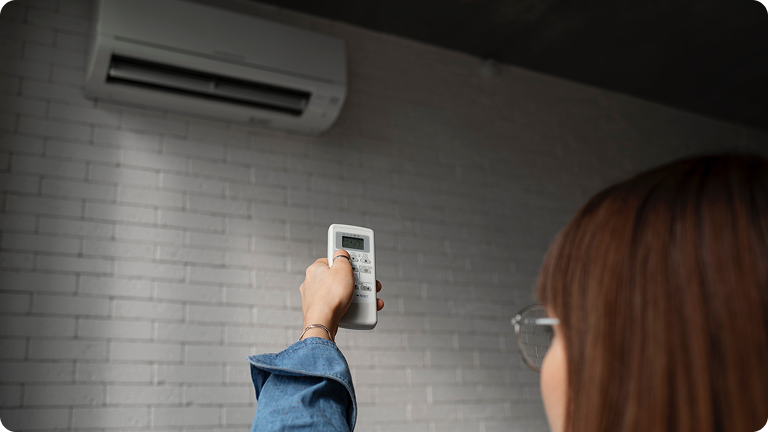

Your Trusted Local AC Experts
When the summer heat hits, you need an air conditioning system you can rely on. At Jim's Air Systems, we specialize in keeping your home cool and comfortable. Whether you need an emergency repair, a seasonal tune-up, or a brand new high-efficiency air conditioner, our family is here to help.
Our Air Conditioning Services include

AC Repair
We service all makes and models, quickly diagnosing and fixing any issue.
AC Installation & Replacement
Get a perfectly sized, high-efficiency system with our owner-led design and installation process.
AC Maintenance
Prevent breakdowns and improve efficiency with our comprehensive AC tune-ups.
Signs You Needs AC Service
.svg)
Ready for a Cooler, More Comfortable Home?
Whether you need an emergency repair or a free estimate on a new, energy-efficient air conditioner, our family is ready to provide honest advice and expert service. Contact us today!