
Is Inconsistent Temperature Control Disrupting Your Indoor Comfort?
Facing unbearable heat due to an ineffective air conditioning system or shivering through a chilly night because of a furnace failure is a stressful reality no homeowner wants to face. You are not alone—many residents in Antioch experience these urgent climate control issues, particularly when the summer temperatures spike above 90°F or during the damp winter months. Contact our team immediately to schedule a diagnostic visit or ask about our flexible financing options to get your system running today.
When your HVAC system fails, you need a solution that prioritizes speed, accuracy, and long-term reliability. Jims Air Systems provides comprehensive climate control services designed to address the unique weather patterns of the region.
- Rapid, same-day service availability to restore your home’s safety and comfort quickly.
- Reliable maintenance protocols designed to identify wear and tear before it causes a complete breakdown.
- Energy-efficient system upgrades that lower monthly utility bills while improving airflow.
- Fully licensed technicians backed by extended warranties and transparent financing plans.
Comprehensive HVAC Diagnostics and Repair Solutions
When you schedule a service visit, the priority is identifying the root cause of the malfunction rather than simply applying a bandage to the symptom. Modern HVAC systems are complex networks of electrical components, refrigerants, and airflow mechanics. A noise in the compressor might actually be a symptom of high head pressure caused by a blocked metering device. Therefore, a professional diagnostic process is essential for a lasting repair.
The service begins with a thorough evaluation of the entire system. Technicians examine the thermostat calibration to ensure it communicates correctly with the control board. Electrical connections are tightened and tested for voltage drops that could damage sensitive motors. In cooling systems, refrigerant levels are measured against manufacturer specifications; both overcharging and undercharging can lead to significant efficiency losses and compressor failure.
Key components addressed during a standard service call include:
- Airflow and Filtration: Technicians check for static pressure issues within the ductwork that restrict air movement, causing the blower motor to overheat. Filters are inspected and replaced if necessary to ensure proper indoor air quality and system protection.
- Electrical Components: Capacitors, contactors, and relays are tested. These small parts are often the first to fail during heatwaves due to thermal stress. Replacing a weak capacitor now prevents a compressor failure later.
- Refrigerant Cycle: The system is checked for leaks. If the refrigerant is low, it indicates a leak that must be repaired before recharging. Simply adding fluid without fixing the leak is a violation of EPA regulations and a waste of money.
- Condensate Drain System: Clogged drain lines are a common cause of water damage and system shut-offs. The lines are cleared, and the drain pan is treated to prevent algae growth.
- Safety Controls: For heating systems, limit switches, flame sensors, and heat exchangers are rigorously tested to ensure there is no risk of carbon monoxide leaks or fire hazards.
This detailed approach ensures that once the repair is completed, the system operates at peak efficiency. Residents in Antioch need their systems to perform reliably during the intense dry heat of summer and the wet conditions of winter, and this level of diagnostic care guarantees that performance.
The Installation and System Replacement Process
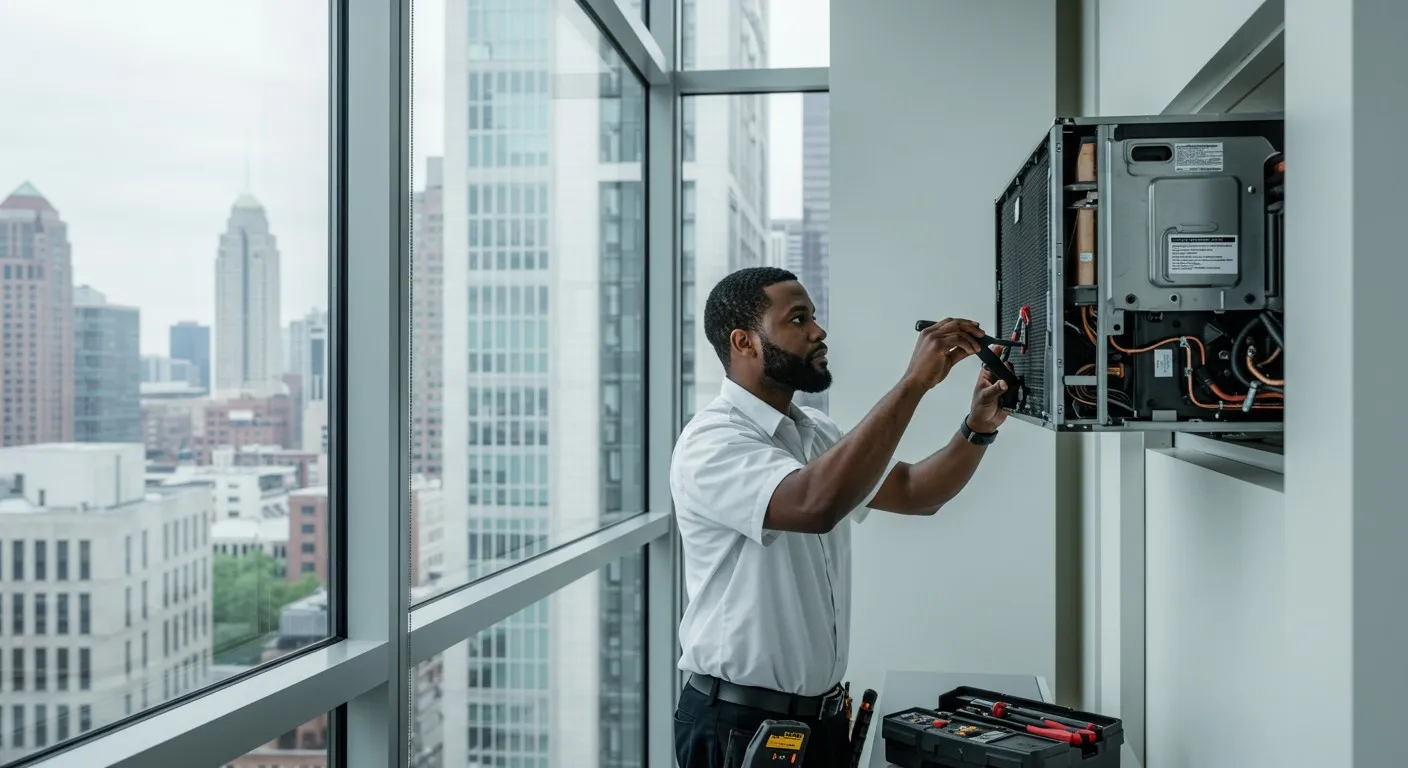
There comes a point where repair is no longer the most economical or practical option. Installing a new HVAC system is a significant investment in your home’s value and your personal comfort. The installation process is not merely swapping one metal box for another; it is a construction project that requires precise engineering and adherence to local building codes.
The process is executed in distinct phases to ensure quality and minimal disruption to your daily life:
- Load Calculation and Sizing: The most critical step happens before the new unit arrives. A Manual J load calculation is performed to determine the exact heating and cooling requirements of your home. This calculation factors in square footage, window direction, insulation levels, and local climate data. An oversized unit will short-cycle, leading to humidity issues and wear, while an undersized unit will run continuously without reaching the target temperature.
- Site Preparation and Removal: The old equipment is safely disconnected and removed. This includes capturing any remaining refrigerant in accordance with environmental laws. The installation area is prepped, often involving the leveling of the ground pad for the outdoor unit or reinforcing the platform for an attic furnace.
- Ductwork Modification: Often, existing ductwork is insufficient for modern, high-efficiency equipment. Modifications are made to the plenum and transition pieces to ensure optimal airflow and static pressure. Sealing duct joints prevents conditioned air from escaping into attics or crawlspaces.
- Equipment Installation: The new air handler, furnace, or heat pump is set in place. Refrigerant lines are brazed with nitrogen to prevent oxidation inside the copper tubing. Electrical wiring is connected, ensuring the correct wire gauge and breaker size are used for the new load requirements.
- System Commissioning: Once installed, the system is not just turned on; it is commissioned. Technicians adjust the blower speed, check refrigerant subcooling and superheat, and verify gas pressure for furnaces. This fine-tuning ensures the equipment hits its rated SEER and AFUE efficiency levels.
- Final Walkthrough: You are guided through the operation of the new thermostat and provided with all warranty documentation and maintenance guidelines.
Deciding Between System Repair and Full Replacement
Homeowners often struggle with the decision of whether to pour more money into an aging system or invest in a replacement. Making the right choice depends on a combination of financial logic, system age, and performance expectations. There are clear indicators that help move this decision from a guess to a calculated strategy.
Consider the "50% Rule" as a primary baseline. If the cost of the repair approaches 50% of the value of the system (or the cost of a new one), replacement is usually the wiser financial move. However, other factors weigh heavily on this decision.
- Age of the Equipment: The average lifespan of a central air conditioner or heat pump is 10 to 15 years, while furnaces may last 15 to 20 years. If your system in Antioch is over 12 years old and requires a major repair, such as a compressor or heat exchanger replacement, the technology is likely obsolete. Investing in a new system resets the clock and provides a warranty.
- Frequency of Breakdowns: If you have required multiple service calls in the last two years, the system is becoming unreliable. The cumulative cost of minor repairs often exceeds the monthly payment of a financed new system.
- Energy Efficiency and Utility Bills: Older systems often have SEER ratings of 10 or less. Modern systems start at 14 SEER and go much higher. Upgrading can result in energy savings of 20% to 40%. If your energy bills have been steadily climbing despite normal usage, the equipment is losing efficiency.
- Comfort Consistency: If some rooms are hot while others are cold, or if the system struggles to keep up on the hottest days of the year, it may be undersized or nearing the end of its mechanical life. A new system with variable-speed technology can eliminate these hot and cold spots.
- Refrigerant Type: Older systems use R-22 (Freon), which has been phased out and is exponentially expensive to replace. If your R-22 system leaks, replacement is almost always the only viable option.
Navigating Local Requirements and Climate Factors
Operating an HVAC system in California requires adherence to specific state and local regulations that are stricter than in many other parts of the country. Understanding these local nuances ensures that your system is legal, safe, and optimized for the specific weather patterns found in the East Bay area.
- Title 24 Compliance: California’s energy code, Title 24, mandates specific efficiency standards for new installations and major alterations. This includes duct sealing verification to ensure leakage is below a certain percentage, correct refrigerant charge verification, and the installation of programmable or smart thermostats. Compliance is not optional; it is required for the permit to be finalized.
- Permitting Process: Legitimate HVAC work requires a building permit. This protects the homeowner by ensuring a third-party city inspector verifies the safety and correctness of the installation. This is crucial for insurance purposes and future home sales.
- Regional Climate Strategy: The local climate involves hot, dry summers and mild, wet winters.
- Summer: The low humidity means that achieving a temperature drop is easier than in humid climates, but the sheer heat load requires high airflow. Systems must be kept free of dust and debris, specifically cottonwood or pollen, which can clog outdoor condenser coils rapidly in this region.
- Winter: While freezing temperatures are rare, the dampness can make 50°F feel much colder. Heat pumps are an excellent solution here, as they are highly efficient in mild winter climates compared to traditional gas furnaces, though dual-fuel systems are also popular for redundancy.
- Utility Rebates: Local utility providers often offer rebates for upgrading to high-efficiency heat pumps or ENERGY STAR® certified smart thermostats. These incentives can significantly offset the upfront cost of installation.
Why Homeowners Choose Professional Climate Control
Choosing the right service provider is the final piece of the puzzle. The difference between a system that lasts 10 years and one that lasts 20 years is often the quality of the installation and maintenance. High-quality service is defined by technical expertise, adherence to safety standards, and a commitment to customer transparency.
Professional technicians carry certifications that validate their ability to handle high-voltage electricity and high-pressure refrigerants safely. They are trained to respect your property, using drop cloths and shoe covers, and ensuring the workspace is cleaner than they found it.
Furthermore, reputable providers offer warranties that cover both parts and labor. A manufacturer's warranty only covers the equipment; a labor warranty from your service provider protects you from the cost of the work should a defect arise. Jims Air Systems builds trust through consistent performance, ensuring that every diagnostic, repair, or installation meets rigorous industry standards.
When your comfort is at stake, you need a partner who understands the urgency of the situation and possesses the technical capability to resolve it immediately. From navigating permit paperwork to performing complex load calculations, professional service ensures your home remains a sanctuary against the outdoor elements.
Restore Total Comfort With Jims Air Systems
When indoor comfort becomes unpredictable, fast and accurate HVAC service makes all the difference. With expert diagnostics, code-compliant installations, and energy-efficient solutions tailored to Antioch’s climate, Jims Air Systems delivers reliable comfort you can count on. Do not wait for a complete system failure during peak heat or winter storms. Schedule your professional HVAC service today with Jims Air Systems and take control of your home’s comfort year-round.
Take control of your indoor climate today. Do not wait for a complete system failure during the peak of summer or the middle of a winter storm. Secure your home’s comfort by scheduling your professional service now.

Your Trusted Local AC Experts
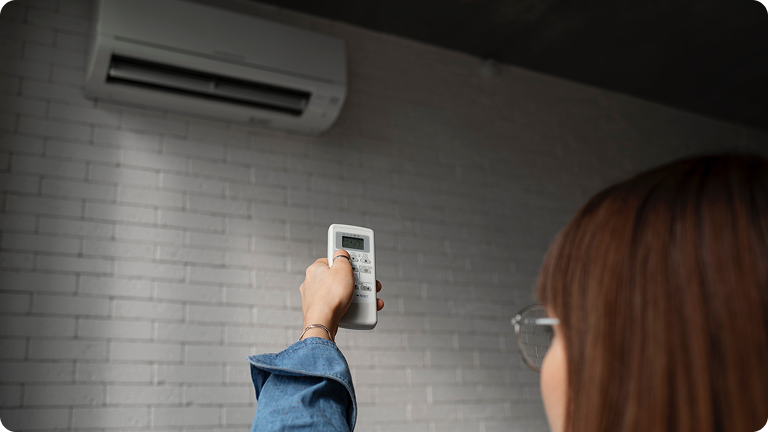
When the summer heat hits, you need an air conditioning system you can rely on. At Jim's Air Systems, we specialize in keeping your home cool and comfortable. Whether you need an emergency repair, a seasonal tune-up, or a brand new high-efficiency air conditioner, our family is here to help.
Our Air Conditioning Services include

AC Repair
We service all makes and models, quickly diagnosing and fixing any issue.
AC Installation & Replacement
Get a perfectly sized, high-efficiency system with our owner-led design and installation process.
AC Maintenance
Prevent breakdowns and improve efficiency with our comprehensive AC tune-ups.
Signs You Needs AC Service
.svg)

Frequently Asked Questions

We recommend having your air conditioning system professionally serviced once a year, ideally in the spring, to ensure it's ready for the summer heat.
Yes! Jim’s Air Systems is a family-owned and operated business. We take pride in delivering honest, reliable service and treating our customers like family, with a strong focus on quality workmanship and long-term relationships.
A trained, licensed HVAC professional from Jim’s Air Systems will visit your home for the estimate. Our technician will assess your needs, answer your questions, and provide a clear, upfront estimate with no pressure or hidden fees.
Ready for a Cooler, More Comfortable Home?
Whether you need an emergency repair or a free estimate on a new, energy-efficient air conditioner, our family is ready to provide honest advice and expert service. Contact us today!