
Heater Blowing Cold Air? Restore Warmth To Your Home Immediately
Is your home uncomfortably cold, or has your heater suddenly stopped working right when you need it most? Don’t shiver through the night or rely on dangerous space heaters—Jims Air Systems provides rapid, reliable heating repairs in Antioch to get your system running again. Contact us now to schedule your same-day diagnostic visit.
When your furnace fails, you need a solution that is fast, concrete, and effective. We prioritize:
- Quick, same-day service to restore your comfort before the house temperature drops.
- 24/7 emergency repairs because heating failures rarely happen at convenient times.
- Top-rated local technicians who carry the parts to fix it right the first time.
All repairs are fully licensed, come with a comprehensive warranty, and financing options are available for major services.
What To Expect From Your Heating Repair Service
When you call for service, the goal is to move from "broken" to "warm" with zero friction. You do not need a sales pitch; you need a technician who understands the mechanics of gas furnaces and heat pumps. Upon arrival in Antioch, a certified technician performs a comprehensive diagnostic check to identify exactly why your system is failing.
This diagnostic phase is critical. A heater blowing cold air could be a simple thermostat issue, or it could be a cracked heat exchanger which poses a serious carbon monoxide risk. The service focuses on identifying the root cause rather than just treating the symptom.
The scope of a standard repair visit typically includes:
- System Diagnostics: Using advanced meters to test electrical flow, gas pressure, and airflow resistance.
- Safety Inspection: Checking the heat exchanger for cracks, testing for gas leaks, and ensuring the flue is venting properly.
- Component Isolation: Testing the ignitor, flame sensor, blower motor, and control board to see which part has failed.
- Upfront Explanation: You receive a clear report of what is broken, why it broke, and the specific cost to fix it before any work begins.
- Immediate Repair: With fully stocked trucks, most common repairs—like replacing a hot surface ignitor or a capacitor—are completed on the spot.
By the time the truck leaves your driveway, your system will be cycling correctly, the air coming from your vents will be hot, and the safety of your unit will be verified.
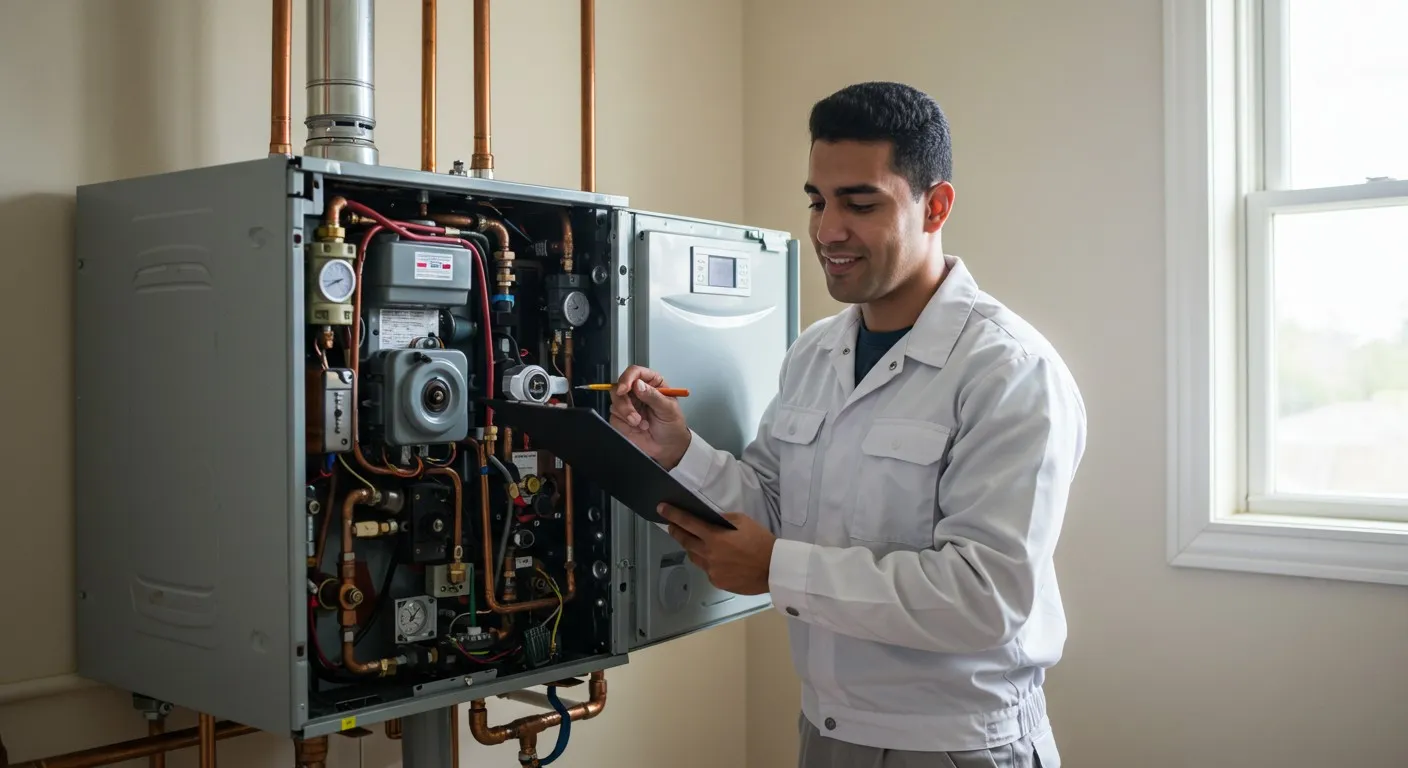
How The Repair Process Works
Professional heating repair follows a strict protocol to ensure safety and efficiency. This is a technical process designed to protect your home and equipment. We do not skip steps or use guesswork.
Here is the sequence of events during a service call:
Assessment and Safety Check:
The technician arrives and immediately respects your property by wearing shoe covers and using drop cloths. The first step involves turning off power to the unit and checking for immediate hazards, such as the smell of gas or signs of electrical burning. The technician then cycles the thermostat to observe the failure sequence—does the blower start? Does the ignitor glow? Does the flame stay lit?
Fault Isolation:
Using multimeters and manometers, the technician reads the error codes on the furnace control board. They test specific voltages and resistances. For example, if the furnace attempts to light but shuts off after a few seconds, the focus moves to the flame sensor or gas valve. If the blower never turns on, the capacitor and motor windings are tested.
Review and Approval:
Once the issue is identified, the technician explains the findings. You are presented with the options. In some cases, a part can be cleaned or adjusted; in others, it must be replaced. You approve the scope of work and the price before tools are turned on for the repair.
Execution of Repair:
The technician removes the faulty component and installs the manufacturer-approved replacement. This involves wiring, gas piping adjustments, or mechanical mounting depending on the part.
Testing and Calibration:
Installing the part is only half the job. The technician must verify that the new part works within the system’s specifications. Gas pressure is adjusted to ensure the furnace is not over-firing (which wastes fuel) or under-firing (which causes condensation issues). The temperature rise—the difference in temperature between the air going in and the air coming out—is measured to ensure it falls within the manufacturer's rating plate data.
Final Cleanup and Handover:
The work area is cleaned, old parts are removed, and the technician demonstrates that the system is working. You receive a digital invoice and a record of the work performed for your warranties.
When Replacement Beats Repair
Deciding between fixing an aging furnace and buying a new one is a mathematical decision, not an emotional one. While the immediate instinct is often to choose the lower cost of a repair, there are specific thresholds where sinking money into an old unit becomes a financial loss.
You should consider replacing your unit if the following criteria are met:
The 50% Rule:
If the cost of the repair approaches 50% of the value of a new system, replacement is the smarter financial move. A major repair, such as replacing a heat exchanger or a compressor, often costs nearly as much as a down payment on a modern, high-efficiency system.
Age of the Equipment:
The average lifespan of a gas furnace is 15 to 20 years, while heat pumps last about 10 to 15 years. If your unit is in Antioch and is over 15 years old, parts may be obsolete or expensive to source. Even if fixed, an old unit is statistically likely to suffer another major breakdown within 12 months.
Rising Energy Bills:
Older furnaces often operate at 60% to 70% AFUE (Annual Fuel Utilization Efficiency). This means 30 to 40 cents of every dollar you spend on gas is wasted up the flue. Modern systems operate at 80% to 98% efficiency. If your winter utility bills are skyrocketing despite normal usage, the system has lost its efficiency and is costing you more to run than to replace.
Safety Concerns:
Older units are prone to heat exchanger cracks caused by years of metal expanding and contracting. A cracked heat exchanger can leak carbon monoxide into your home. If a technician finds a crack, the unit must be shut down immediately for safety. In this scenario, replacement is usually the only viable option.
Uneven Heating and Comfort:
If your home has hot and cold spots, or if the furnace runs constantly but never reaches the set temperature, the system may be undersized or the blower motor may be losing compression. Repairing the motor won't fix ductwork or sizing issues, making replacement the better path to actual comfort.
Local Considerations For Heating in Antioch
Operating a heating system in the East Bay requires specific attention to our local environment and infrastructure. While we enjoy a Mediterranean climate, the winters in Antioch bring specific challenges that impact how your heating system performs and degrades over time.
Moisture and Rust:
Our winters are wet. High humidity levels can lead to rust and corrosion on the burners, pilot assemblies, and electrical connections within your furnace. This is a common cause of "intermittent" failures where the heat works one hour and fails the next. Regular inspection of the flue pipe and heat exchanger is vital to prevent rust-through, which can lead to exhaust leaks.
PG&E Gas Safety & Efficiency:
Natural gas prices in our region fluctuate. Ensuring your furnace is burning gas efficiently is the best defense against high PG&E bills. A system with a dirty burner or incorrect gas pressure setting will burn more fuel to produce the same amount of heat. Furthermore, local codes regarding gas line sediment traps and shut-off valves must be adhered to during any repair involving the gas train.
Permitting and Compliance:
For standard repairs, such as replacing a sensor or motor, permits are generally not required. However, if a repair turns into a significant alteration or a full system replacement, Antioch city codes require proper permitting. This ensures that the electrical connections and gas piping meet current safety standards. Professional providers handle this paperwork to ensure your home remains compliant and safe.
Shift to Heat Pumps:
There is a growing trend in our area to move toward electric heat pumps due to California's energy goals. If you are repairing an older gas furnace, it is worth discussing if your electrical panel can support a heat pump in the future, especially if you have solar panels installed.
Why Technical Expertise Matters
Heating repair is not a DIY task. Modern high-efficiency furnaces are complex machines involving microprocessors, variable-speed motors, and precise fuel-to-air mixtures. Attempting to fix these systems without training can lead to expensive damage or dangerous safety hazards.
You require a service provider that differentiates itself through technical capability and transparency.
Accurate Diagnostics:
Many inexperienced techs will swap out parts until the unit works, charging you for every guess. A skilled technician diagnoses the failure using electrical theory and sequence of operation, replacing only what is actually broken.
Truck Stock:
Waiting for parts is frustrating. A professional service arrives in a truck stocked with universal parts, capacitors, ignitors, and control boards suitable for the major brands found in Antioch homes. This minimizes the downtime between diagnosis and warmth.
Warrantied Workmanship:
A repair is only as good as the guarantee behind it. Professional repairs should come with a warranty on both the labor and the part. If the new part fails a week later, you should not have to pay again.
Safety First Approach:
Carbon monoxide is odorless and deadly. A credible heating repair service will always perform a combustion analysis after a repair to ensure the unit is venting safely. This is non-negotiable for the safety of your family.
Maintain Your Comfort All Winter
A broken heater disrupts your life and endangers your home’s comfort. You do not have to wait days for a solution or wonder if the technician is guessing at the problem. You need decisive action, clear answers, and a warm home.
Jims Air Systems is ready to diagnose and repair your heating system today. We handle the complexity of HVAC mechanics so you can simply enjoy a warm, safe home.
Don’t let a cold house ruin your day. Call us now to book your repair service.
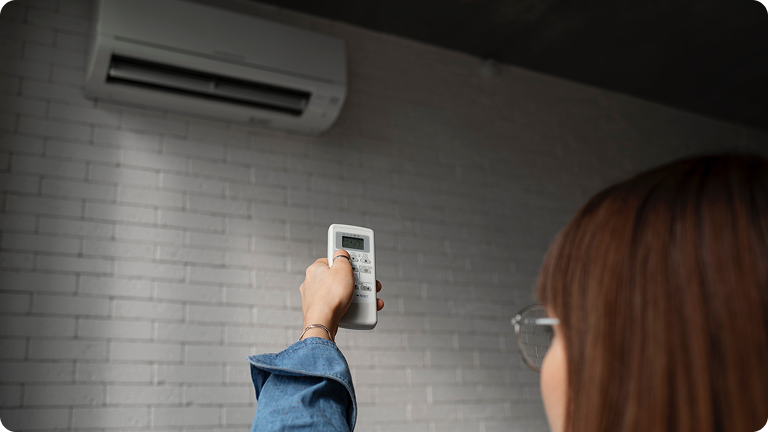

Your Trusted Local AC Experts
When the summer heat hits, you need an air conditioning system you can rely on. At Jim's Air Systems, we specialize in keeping your home cool and comfortable. Whether you need an emergency repair, a seasonal tune-up, or a brand new high-efficiency air conditioner, our family is here to help.
Our Air Conditioning Services include

AC Repair
We service all makes and models, quickly diagnosing and fixing any issue.
AC Installation & Replacement
Get a perfectly sized, high-efficiency system with our owner-led design and installation process.
AC Maintenance
Prevent breakdowns and improve efficiency with our comprehensive AC tune-ups.
Signs You Needs AC Service
.svg)
Ready for a Cooler, More Comfortable Home?
Whether you need an emergency repair or a free estimate on a new, energy-efficient air conditioner, our family is ready to provide honest advice and expert service. Contact us today!