
Reliable Heating Solutions for Antioch Winters
Inconsistent heating during a chilly Antioch evening creates discomfort and stress for your family, especially when temperatures drop into the 40s and 50s. If your current system is failing to keep up with the winter chill, contact us today to schedule an assessment or inquire about our financing options. Jims Air Systems ensures local homes remain safe and comfortable through professional, high-efficiency heating installations.
- Quick installation protocols designed to restore heat within 24 hours.
- Robust heating systems specifically selected to handle the region's wet winters.
- Competitive pricing structures that account for available rebates and incentives.
All installations come with a comprehensive one-year warranty and flexible financing options to fit your budget.
What to Expect During Your Heating Installation
Choosing to install a new heating system is a significant investment in your home’s infrastructure. The goal is to move from a state of uncertainty to guaranteed comfort as efficiently as possible. When you schedule an installation, the focus is immediately placed on selecting the right equipment for your specific floor plan and existing ductwork. This is not a one-size-fits-all process; it requires a technical evaluation of your home’s thermal envelope.
Modern heating installation involves more than simply swapping out a box. It includes a thorough assessment of your airflow requirements, gas line integrity, and electrical capacity. The equipment installed today uses advanced technology that requires precise calibration to function at peak efficiency. Residents in Antioch need systems that can handle the damp cold of December and January without driving utility bills through the roof.
The scope of work generally includes the safe removal and disposal of your old unit, preparation of the installation site, and the seamless integration of the new machinery. Whether you are upgrading to a high-efficiency gas furnace or a modern heat pump, the objective is to provide a turnkey solution where you simply adjust the thermostat and enjoy consistent warmth.
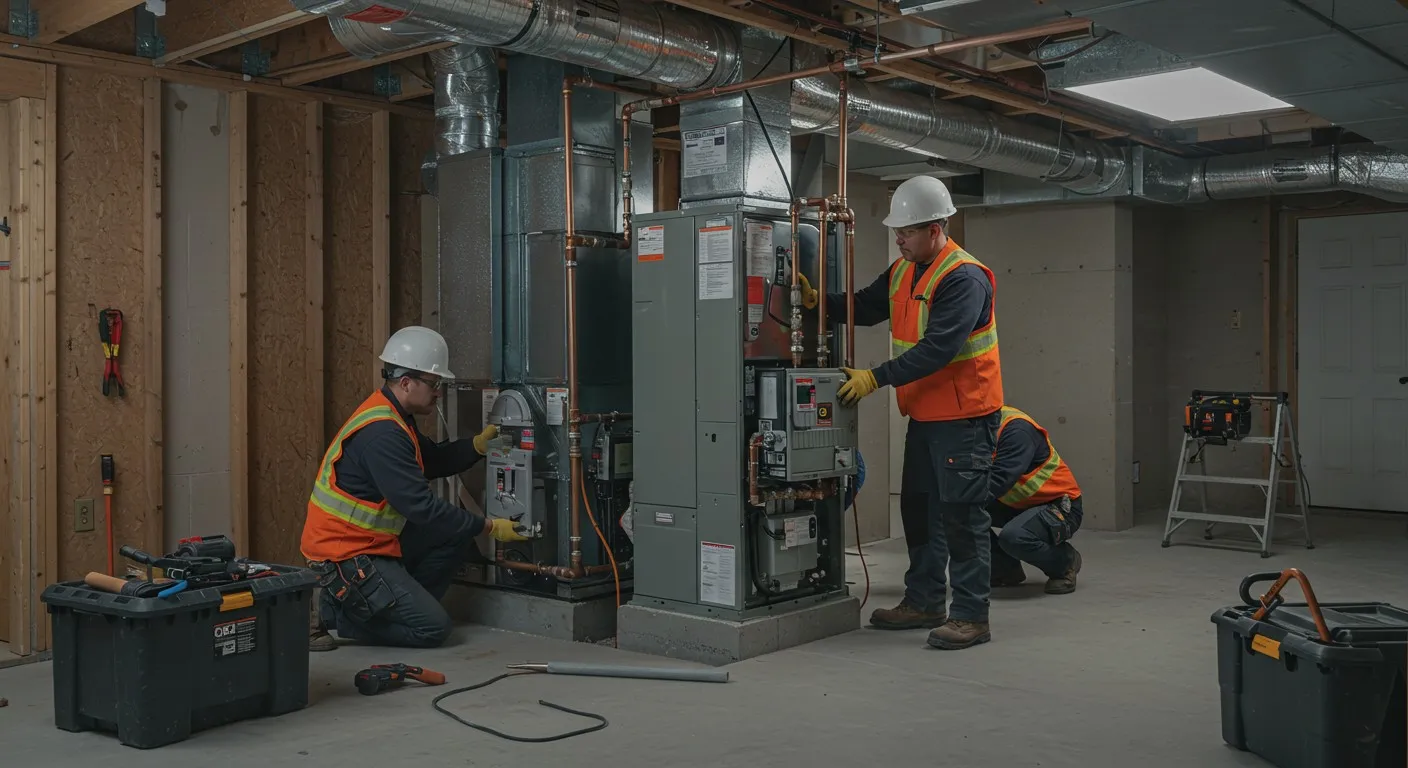
The Installation Process: Step-by-Step
A professional installation follows a strict protocol to ensure safety and longevity. Deviating from these steps can lead to short-cycling, reduced lifespan of the unit, and potential safety hazards. We utilize a methodical approach to ensure every component functions correctly from the first cycle.
Site Evaluation and Load Calculation:
The process begins with a Manual J load calculation. This determines exactly how much heat your home needs based on square footage, insulation levels, window types, and local climate data. Guessing the size often results in units that are too big (which cycle on and off too frequently) or too small (which run constantly without reaching the desired temperature).
Area Preparation and Safety Checks:
Technicians lay down drop cloths and protective gear to keep your home clean. Gas lines and electrical circuits are shut off and tested to ensure zero live energy during the swap. This stage is critical for preventing accidents and ensuring the workspace is safe for both the installers and the homeowners.
Removal of Existing Equipment:
The old furnace or heat pump is disconnected. This involves carefully unhooking the plenum, flue pipes, gas lines, and high-voltage wiring. The unit is then removed from the property for environmentally responsible disposal, adhering to EPA regulations regarding refrigerant and metal recycling.
Modification of Ductwork and Plenums:
Newer systems often have different physical dimensions than older models. The supply and return plenums (the boxes connecting the unit to the ductwork) may need to be reconstructed to ensure an airtight seal. This step prevents air leakage, which is a primary cause of energy loss.
System Connection and Calibration:
The new unit is positioned and leveled. Installers connect the flue venting (ensuring proper slope for exhaust gases), gas piping, and electrical wiring. A new thermostat or control system is often installed to communicate effectively with the modern equipment.
Final Testing and Commissioning:
Once connected, the system is not just turned on; it is commissioned. Technicians measure static pressure, temperature rise, and gas pressure to ensure they match manufacturer specifications. This validates that the warranty will be honored and that the system is operating safely.
Determining When to Replace vs. Repair
Homeowners often struggle with the decision of whether to pour more money into an aging system or commit to a full replacement. While repairs can offer a short-term fix, there is a mathematical tipping point where replacement becomes the more financially sound option.
The 50% Rule:
If the cost of a necessary repair approaches 50% of the value of a new system, replacement is generally recommended. For example, replacing a cracked heat exchanger or a failed compressor is labor-intensive and expensive. Investing those funds into a new unit with a fresh warranty provides better long-term value.
Age of the System:
Most gas furnaces last between 15 and 20 years, while heat pumps typically last 10 to 15 years. If your equipment in Antioch is approaching these age milestones, efficiency has likely degraded significantly. A furnace installed in 2005 is far less efficient than current models, meaning you are paying more each month for the same amount of heat.
Frequency of Breakdowns:
If you have required multiple service calls in the last two years, the system is signaling the end of its reliable life. Components tend to fail in succession; fixing a blower motor today does not guarantee the igniter won’t fail next month.
Rising Energy Bills:
A sudden or gradual increase in heating costs without a change in usage patterns indicates the system is working harder to produce the same output. New systems with higher AFUE (Annual Fuel Utilization Efficiency) ratings can lower monthly bills immediately.
Safety Concerns:
Older combustion systems run a higher risk of developing cracks in the heat exchanger, which can lead to carbon monoxide leaks. If a technician flags a safety violation or a cracked exchanger, replacement is the only safe option.
Local Considerations: Permits, Codes, and Climate
Operating in this region requires specific knowledge of local building codes and environmental conditions. Installing a heater in Antioch involves more than just mechanical skill; it requires adherence to regulatory standards that protect your home and insurance validity.
Permitting and Inspections:
California law and local city ordinances require building permits for HVAC installations. This process includes a third-party inspection to verify that the gas lines, venting, and electrical connections meet current safety codes. Skipping this step can lead to fines and complications when selling your home in the future. We handle the permitting process to ensure full compliance.
Title 24 Compliance:
California’s energy code (Title 24) sets strict standards for energy efficiency. New installations may require duct testing to ensure leakage is below a certain percentage. A programmable or smart thermostat is also a standard requirement for code compliance.
Rebates and Incentives:
The state of California often offers incentives for upgrading to high-efficiency electric heat pumps or efficient gas furnaces. Programs like TECH Clean California provide financial rebates that can offset the initial installation cost. Awareness of these programs allows you to maximize savings.
Regional Climate Impact:
While winters here are mild compared to other parts of the country, the humidity and rain from November to March can accelerate rust and corrosion in older, outdoor package units. New systems are built with galvanized steel and powder-coated paint to resist these environmental factors better than their predecessors.
Technical Efficiency: Understanding Your Options
When selecting a new unit, understanding efficiency ratings helps you calculate the return on investment. The technology available today is vastly superior to what was standard even a decade ago. Jims Air Systems helps you navigate these metrics to find the balance between upfront cost and monthly savings.
Gas Furnaces (AFUE):
Gas furnace efficiency is measured by AFUE. An 80% AFUE furnace converts 80% of the gas into heat, while 20% is lost up the flue. Modern high-efficiency models reach up to 98% AFUE. In our climate, a mid-range to high-efficiency unit is often the sweet spot for ROI.
Heat Pumps (HSPF2/SEER2):
Heat pumps are becoming the standard in California due to electrification trends. They handle both heating and cooling. Efficiency is measured in HSPF2 (Heating Seasonal Performance Factor). Because they move heat rather than generate it, they can be 300% efficient compared to electric resistance heating. They are ideal for the temperature ranges typically seen in this area.
Variable Speed Blowers:
Standard furnaces have a simple on/off motor. Variable speed motors can run at lower speeds to maintain a constant temperature, resulting in quieter operation, better air filtration, and more even heat distribution throughout the house.
Dual Fuel Systems:
For homeowners concerned about electric rates or extreme cold snaps, a dual fuel system pairs an electric heat pump with a gas furnace. The system automatically switches to gas when outdoor temperatures drop below a certain efficiency point, offering the best of both worlds.
Why Professional Installation Matters
The longevity of your heating system is determined 80% by the quality of the installation and only 20% by the brand of the equipment. A top-tier brand installed poorly will fail sooner and run less efficiently than a budget brand installed perfectly.
Ductwork Integrity:
Connecting a powerful new furnace to leaky, undersized ductwork is like putting a sports car engine in a rusted frame. Professional installation includes inspecting the distribution system to ensure air reaches every room evenly.
Gas Pressure Tuning:
Gas valves come set from the factory, but they must be fine-tuned to the specific gas pressure of your home. Incorrect pressure leads to soot buildup, inefficient burning, and potential heat exchanger damage.
Refrigerant Charging:
For heat pumps, the refrigerant charge must be precise. An undercharged or overcharged system will consume significantly more electricity and struggle to heat the home. We use digital gauges to ensure factory-exact specifications.
Comfort and Reliability for Your Home
Your home should be a refuge from the cold, wet weather outside. Upgrading your heating system is a proactive step toward ensuring that comfort is never compromised. By choosing a professional installation, you secure not just a piece of machinery, but the peace of mind that comes with reliable, efficient warmth.
From the initial load calculation to the final safety check, every step is executed with precision. We navigate the complexities of permits, rebates, and technical sizing so you don't have to. The result is a system that runs quietly, keeps your utility bills manageable, and provides consistent heat for years to come.
Don't wait for the first freeze to discover your system is inadequate. Secure your home’s comfort with Jims Air Systems.
Ready to upgrade your home heating? Contact us now to schedule your consultation and get a free estimate on a new system.
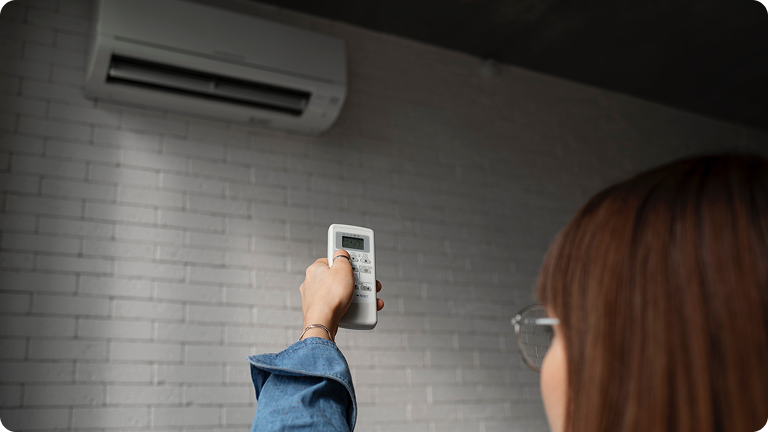

Your Trusted Local AC Experts
When the summer heat hits, you need an air conditioning system you can rely on. At Jim's Air Systems, we specialize in keeping your home cool and comfortable. Whether you need an emergency repair, a seasonal tune-up, or a brand new high-efficiency air conditioner, our family is here to help.
Our Air Conditioning Services include

AC Repair
We service all makes and models, quickly diagnosing and fixing any issue.
AC Installation & Replacement
Get a perfectly sized, high-efficiency system with our owner-led design and installation process.
AC Maintenance
Prevent breakdowns and improve efficiency with our comprehensive AC tune-ups.
Signs You Needs AC Service
.svg)
Ready for a Cooler, More Comfortable Home?
Whether you need an emergency repair or a free estimate on a new, energy-efficient air conditioner, our family is ready to provide honest advice and expert service. Contact us today!