
Is Your Current HVAC System Failing to Keep Up?
Is your HVAC system no longer delivering the comfort you need? Does the idea of another day either too hot or too cold in your home stress you out? When you live in a region with distinct climate shifts like Lafayette, an unreliable heating and cooling system turns your home from a sanctuary into a source of frustration. Inconsistent temperatures, strange noises, and rising humidity levels inside the house are not just annoyances; they are clear indicators that your equipment is struggling to meet the demands of the season.
Contact us today to schedule a comprehensive evaluation or to discuss our flexible financing options.
Residents in this area require a robust solution that handles the dry, intense heat of summer and the damp chill of winter without faltering. We provide the technical expertise required to restore balance to your indoor environment immediately.
- Experience immediate relief with installation services designed to minimize downtime.
- Save on energy bills with efficient systems specifically tailored to the local climate.
- Enjoy peace of mind with comprehensive warranties and diligent follow-up support.
All installations comply with California’s stringent energy and building codes, ensuring your investment is safe, legal, and optimized for performance. Jims Air Systems is ready to help you transition from a failing unit to a high-efficiency system that guarantees year-round comfort.
What To Expect With Your HVAC Installation Today
Making the decision to install a new HVAC system is a significant investment in your property and your daily quality of life. The process begins with a clear assessment of your current infrastructure. Unlike simple repairs, an installation involves a holistic view of your home's thermal characteristics. You need a system that fits the physical space available and provides the correct output to condition every room evenly.
Modern installations focus heavily on energy efficiency and airflow dynamics. When a professional team arrives at your Lafayette home, the priority is protecting your property while efficiently removing the old equipment. This involves disconnecting gas lines, electrical wiring, and refrigerant lines safely, adhering to environmental regulations regarding refrigerant disposal.
Following the removal, the focus shifts to preparing the site for the new unit. This often requires modifying the plenum—the box connecting the furnace to the ductwork—to ensure a sealed, airtight fit. If the new unit is physically smaller or larger than the previous one, metal transitions must be fabricated to bridge the gap without restricting airflow. This attention to detail during the rough-in phase prevents future issues like air leaks, which can significantly degrade the efficiency of even the highest-rated systems.
Expect a thorough evaluation of your existing ductwork as well. A new, high-efficiency system cannot perform to its manufacturer specifications if it is pushing air through compromised or undersized ducts. The goal of the installation day is to leave you with a turnkey solution that operates quietly and maintains your desired temperature with minimal energy consumption.

Your Step-by-Step Guide to HVAC Installation
A professional installation is a structured process designed to ensure longevity and compliance. We follow a rigorous protocol to ensure every component functions correctly from the moment we power it on.
- Load Calculation and Sizing: Before any equipment is ordered, technicians perform a Manual J load calculation. This engineering calculation considers the square footage, window types, insulation levels, and orientation of your home. It ensures the new unit is neither too big (which causes short-cycling and humidity issues) nor too small (which causes the unit to run constantly without reaching the set temperature).
- Site Preparation and Protection: Technicians lay down drop cloths and wear protective shoe covers to keep your home clean. The area around the indoor and outdoor units is cleared to provide safe access for maneuvering heavy machinery.
- System Removal and Disposal: The existing furnace, air handler, and condenser are disconnected. All hazardous materials, including old refrigerant, are recovered into approved cylinders for recycling, preventing environmental contamination. The old equipment is removed from the premises for proper disposal.
- Equipment Positioning and Connection: The new indoor unit is set in place, leveled, and secured. The outdoor condenser is positioned on a composite pad to dampen vibration and prevent settling. Refrigerant lines are brazed with nitrogen flowing through them to prevent oxidation inside the copper, a critical step for the longevity of modern refrigerants.
- Electrical and Venting Integration: High-voltage and low-voltage wiring is connected and tested for proper voltage. Flue pipes are installed or inspected to ensure dangerous combustion gases like carbon monoxide are vented safely outside the home.
- Pressure Testing and Vacuum: The refrigerant lines are pressure-tested with nitrogen to ensure there are no leaks. A deep vacuum is then pulled on the system to remove all moisture and non-condensables from the lines, which is essential for the system to cool effectively.
- System Startup and Commissioning: The system is charged with the precise amount of refrigerant required. Technicians measure static pressure, temperature split (the difference between air entering and leaving the unit), and airflow to verify the system is operating within the manufacturer’s specific parameters.
Deciding Between HVAC Repair and Replacement
Determining whether to sink more money into an aging system or opt for a full replacement is a common dilemma. While repairs can solve immediate issues, there is a tipping point where replacement becomes the more financially sound strategy.
- The Age Factor: Most HVAC systems have a lifespan of 10 to 15 years. If your equipment is nearing or has surpassed this range, components are likely wearing out simultaneously. Replacing a compressor today might be followed by a blower motor failure next month. In this scenario, a new installation stops the cycle of recurring expenses.
- The Cost of Repair vs. Value: Industry experts often suggest the "50% Rule." If the cost of the repair approaches 50% of the value of the system (or the cost of a new one), replacement is the smarter choice. Additionally, if you multiply the age of the unit by the repair cost and the number exceeds $5,000, replacement is generally recommended.
- Efficiency and Operating Costs: Older systems often have SEER (Seasonal Energy Efficiency Ratio) ratings of 10 or less. Modern standards require a minimum of SEER2 14.3 in the Southwest region. upgrading from a SEER 10 to a SEER 16 or higher can reduce cooling costs by 30% to 50%. If your energy bills in Lafayette have been steadily climbing despite normal usage, the equipment is likely losing efficiency due to wear and tear.
- Comfort Consistency: If you notice significant temperature discrepancies between rooms or if the unit struggles to maintain the thermostat setting during peak summer afternoons, the system’s capacity may be compromised. Newer systems often feature two-stage or variable-speed compressors that offer superior humidity control and consistent temperatures compared to older single-stage models.
Lafayette-Specific HVAC Considerations
Installing HVAC equipment in this region involves more than just swapping boxes. Local climate patterns and regulatory requirements dictate specific installation practices to ensure compliance and comfort.
- Permitting and Code Compliance: All HVAC replacements in this area require a building permit. This ensures that the installation meets safety standards for gas piping, electrical connections, and venting. Failure to pull a permit can result in fines and issues when selling the home later. We handle the permitting process to ensure your project is fully legal.
- Title 24 Energy Standards: California has some of the strictest energy codes in the country. Title 24 compliance often requires duct testing (HERS rating) to verify that duct leakage is below a certain percentage. It may also require a programmable thermostat and verification of proper airflow and refrigerant charge. These measures are designed to reduce the state's energy load but require a knowledgeable installer to execute correctly.
- Climate-Specific Sizing: The local climate features hot, dry summers where air conditioning is a necessity, not a luxury. However, the nights can cool down significantly, and winters are wet and mild. The system must be sized to handle the peak heat load of July and August without being oversized for the milder months. Oversized units cool the air too quickly without removing humidity (even in dry climates, internal humidity matters), leading to a "clammy" feeling indoors.
- Utility Rebates and Incentives: Local utility providers frequently offer rebates for upgrading to high-efficiency heat pumps or air conditioners. These incentives can significantly offset the initial cost of installation. Navigating these rebate programs requires precise documentation of the model numbers and efficiency ratings, which must be provided by the installation company.
Why Choose Us for Your HVAC Needs
When it comes to securing the comfort of your home, the quality of the installation is just as important as the brand of the equipment. A top-tier unit installed poorly will underperform and fail prematurely. We prioritize technical precision and customer transparency in every project.
- Technical Certification and Training: Our technicians undergo continuous training to stay updated on the latest HVAC technologies, including variable refrigerant flow systems and smart home integration. We do not rely on guesswork; we rely on building science and manufacturer specifications.
- Comprehensive Warranties: We stand behind our work. Beyond the standard manufacturer warranty on parts, we provide robust labor warranties. If an issue arises related to our installation, we resolve it. You are not just buying a machine; you are buying a guarantee of performance.
- Transparent Communication: From the initial estimate to the final walkthrough, you will receive clear, jargon-free explanations of the work being done. We explain the "why" behind our recommendations, whether it concerns duct modifications or filtration upgrades, ensuring you have the information needed to make confident decisions.
- Focus on Indoor Air Quality: We understand that temperature is only one part of comfort. We evaluate your system’s ability to filter out dust, allergens, and pollutants. During installation, we can integrate advanced filtration or air purification solutions that work in tandem with your central air system to create a healthier living environment.
If you are ready to stop worrying about system breakdowns and start enjoying consistent, efficient comfort, it is time to take action. A new system improves your daily life, lowers your utility expenses, and adds value to your home. Jims Air Systems is dedicated to providing the highest standard of service for your installation needs.
Contact Us Today!
Call us now to book your installation consultation and secure your home comfort today.
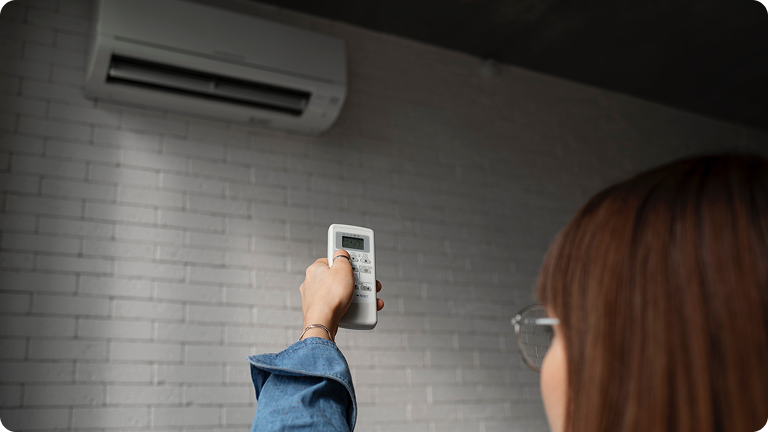

Your Trusted Local AC Experts
When the summer heat hits, you need an air conditioning system you can rely on. At Jim's Air Systems, we specialize in keeping your home cool and comfortable. Whether you need an emergency repair, a seasonal tune-up, or a brand new high-efficiency air conditioner, our family is here to help.
Our Air Conditioning Services include

AC Repair
We service all makes and models, quickly diagnosing and fixing any issue.
AC Installation & Replacement
Get a perfectly sized, high-efficiency system with our owner-led design and installation process.
AC Maintenance
Prevent breakdowns and improve efficiency with our comprehensive AC tune-ups.
Signs You Needs AC Service
.svg)

Frequently Asked Questions

We recommend having your air conditioning system professionally serviced once a year, ideally in the spring, to ensure it's ready for the summer heat.
Yes! Jim’s Air Systems is a family-owned and operated business. We take pride in delivering honest, reliable service and treating our customers like family, with a strong focus on quality workmanship and long-term relationships.
A trained, licensed HVAC professional from Jim’s Air Systems will visit your home for the estimate. Our technician will assess your needs, answer your questions, and provide a clear, upfront estimate with no pressure or hidden fees.
Ready for a Cooler, More Comfortable Home?
Whether you need an emergency repair or a free estimate on a new, energy-efficient air conditioner, our family is ready to provide honest advice and expert service. Contact us today!