
Is Your Cooling System Failing When Temperatures Spike?
Facing unexpected AC breakdowns during Lafayette's summer highs puts your comfort and safety at risk. You need a reliable, quick-fix solution without the wait, so contact us now or apply for financing to restore your home's climate control immediately. Jims Air Systems specializes in diagnosing and resolving airflow and mechanical issues swiftly to ensure your home remains habitable during peak heat waves.
Homeowners cannot afford delays when the indoor temperature begins to match the outdoor heat. Our approach prioritizes rapid response and technical accuracy to prevent minor malfunctions from escalating into total system failures.
- Same-day service availability ensures you are not left waiting in the heat.
- Trusted local technicians are available to handle emergency repairs.
- Transparent pricing structures mean you receive a clear quote before work begins, with no hidden fees.
Fully licensed and insured for peace of mind, we offer flexible financing options to make necessary repairs or replacements accessible.
Immediate AC Services Available Today
When an air conditioner malfunctions, the priority is accurate diagnostics followed by immediate correction. Professional service technicians arrive equipped to handle the full spectrum of HVAC issues common to the region. The goal is to restore the system to manufacturer specifications, ensuring it cools effectively without consuming excessive energy.
Comprehensive Diagnostics and Repair
The service process begins with a thorough evaluation of the entire cooling system. This is not a superficial check; technicians measure static pressure, refrigerant levels, and electrical consumption to identify the root cause of the failure.
- Electrical Component Testing: Technicians test capacitors, contactors, and relays. These components are often the first to fail during high-demand periods. A swollen capacitor or pitted contactor can prevent the compressor from starting, leading to a system that hums but does not cool.
- Refrigerant Leak Detection: Low refrigerant levels indicate a leak, which must be located and sealed before recharging the system. Simply adding more refrigerant without fixing the leak is a temporary and often illegal solution under EPA regulations.
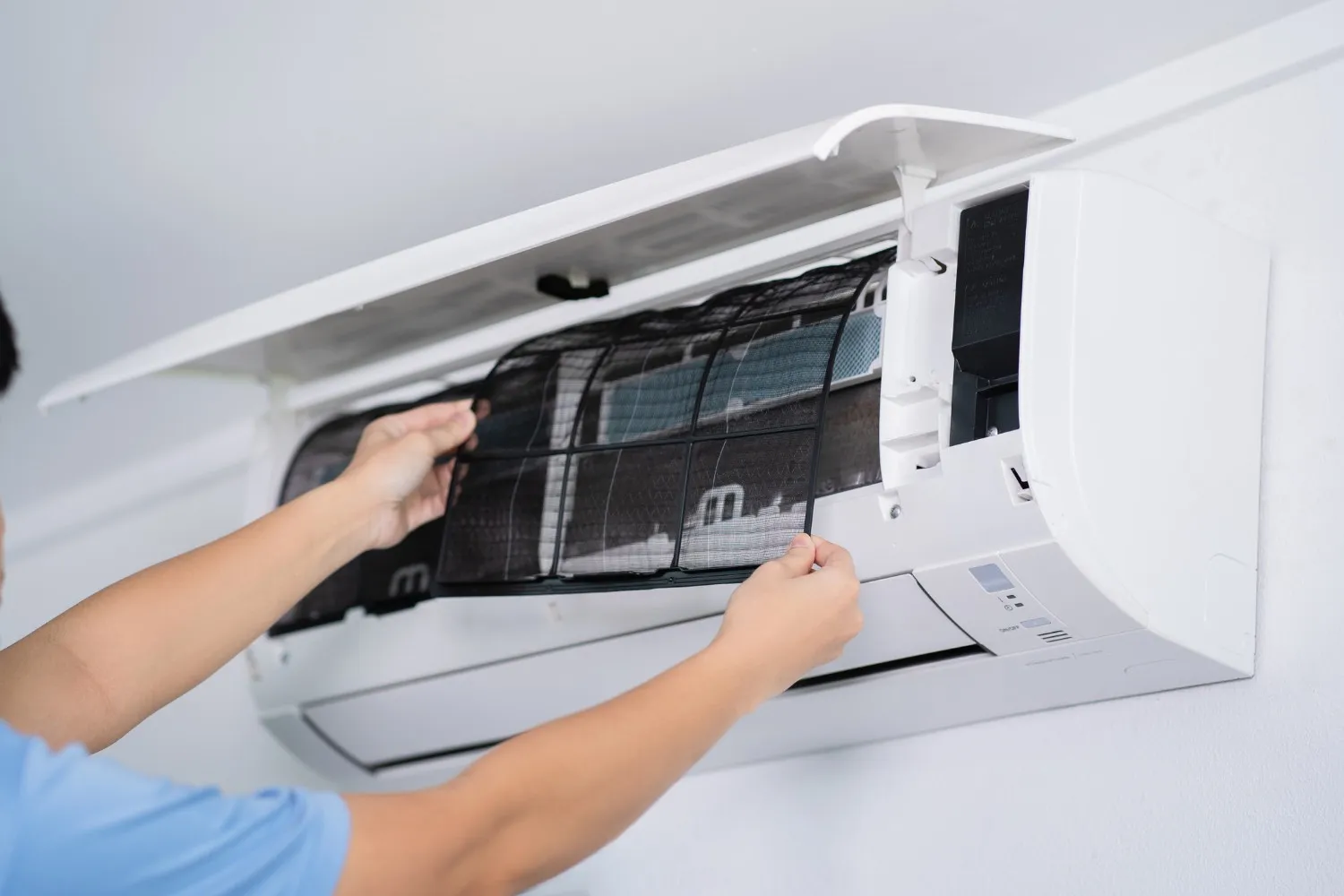
- Airflow Analysis: Restricted airflow causes evaporator coils to freeze. Technicians inspect filters, ductwork, and blower motors to ensure air moves freely across the exchange surfaces.
- Condensate Drain Cleaning: clogged drain lines can trigger safety switches that shut down the unit to prevent water damage. clearing these lines is a standard part of restoring operation.
Preventative Maintenance and Tuning
Beyond emergency repairs, proactive service addresses wear and tear before it forces a shutdown. Regular maintenance is crucial for maintaining energy efficiency and prolonging the lifespan of the equipment.
- Coil Cleaning: Dirty condenser coils cannot release heat effectively, forcing the compressor to work harder and draw more amps. Chemical cleaning removes grime and debris, lowering head pressure and electricity usage.
- Lubrication of Moving Parts: Motors and bearings generate friction. Proper lubrication reduces resistance and heat buildup, preventing premature motor failure.
- Thermostat Calibration: Ensuring the thermostat reads temperatures accurately prevents short cycling, a condition where the AC turns on and off too frequently, violating the "3-minute rule" required for pressure equalization.
Comprehensive Installation and Replacement Process
There comes a point where repair is no longer the most economical or effective option. When a new system is required, the installation process determines the long-term efficiency and comfort of the home. A high-quality unit installed poorly will perform worse than a mid-range unit installed correctly.
System Sizing and Selection
Correct sizing is the foundation of a successful installation. An oversized unit will cool the house too quickly, failing to remove humidity and leading to a clammy indoor environment. An undersized unit will run continuously, never reaching the set temperature.
- Manual J Load Calculation: This calculation considers square footage, insulation levels, window orientation, and local climate data to determine the exact BTU capacity required.
- SEER2 Efficiency Ratings: Modern systems are rated by SEER2 (Seasonal Energy Efficiency Ratio). Higher ratings indicate greater energy savings. Technicians explain the balance between upfront cost and long-term utility bill reductions.
The Installation Workflow
Replacing a central air conditioning system involves several critical steps to ensure code compliance and optimal performance.
- Site Preparation and Removal: The old condenser and evaporator coil are disconnected and removed. Refrigerant is recovered safely according to environmental regulations.
- Ductwork Modification: If the existing plenum or ductwork does not match the new unit's airflow requirements, modifications are made to prevent back pressure and noise.
- Line Set Installation: Copper refrigerant lines connect the indoor and outdoor units. These lines are brazed with nitrogen to prevent oxidation inside the pipe, which could damage the new compressor.
- Vacuum and Charge: A vacuum pump removes moisture and non-condensables from the system. Once a deep vacuum is achieved, the precise amount of refrigerant is weighed in based on the manufacturer's subcooling or superheat specifications.
- Final Commissioning: The system is started, and technicians measure temperature splits (the difference between supply and return air) to verify cooling capacity.
Deciding Between Repair and System Replacement
Homeowners often face the difficult decision of whether to invest in another repair or opt for a full replacement. Making the right financial choice requires evaluating the age of the unit against the cost of the necessary fix.
The $5,000 Rule
A common industry standard for decision-making is the $5,000 rule. Multiply the age of the equipment by the estimated repair cost. If the total exceeds $5,000, replacement is generally the more prudent financial decision.
- Example A: A 10-year-old unit requiring a $300 repair equals 3,000. Repair is likely the better option.
- Example B: A 12-year-old unit requiring a $600 repair equals 7,200. Replacement should be considered, as the unit is nearing the end of its reliable life.
Assessing Equipment Age and Reliability
Air conditioners in this region typically last between 10 and 15 years. As units age, components wear out simultaneously. Fixing one part may only be a temporary solution before the next component fails.
- Frequency of Breakdowns: If the system has required multiple repairs in the last two seasons, it is signaling the end of its lifespan.
- Energy Efficiency: Older units often have SEER ratings of 10 or 12. Upgrading to a modern 14+ SEER2 system can result in significant monthly energy savings, offsetting the cost of installation over time.
- Refrigerant Type: Systems using R-22 (Freon) are obsolete. Production of R-22 has ceased, making repairs involving refrigerant extremely expensive. Upgrading to a system using R-410A or newer refrigerants eliminates this sourcing issue.
Local Considerations for Lafayette Homeowners
Operating HVAC equipment in Lafayette requires attention to specific local factors, including regulatory codes and climate patterns. Jims Air Systems ensures all work complies with local and state requirements to protect the homeowner's investment.
Permitting and Title 24 Compliance
California has some of the strictest energy codes in the nation. Installing a new AC unit triggers specific requirements under Title 24.
- Permit Acquisition: Most equipment replacements require a building permit. This ensures that the installation meets safety standards and is recorded for future property sales.
- HERS Testing: Home Energy Rating System (HERS) testing is often required after installation. A third-party rater verifies that duct leakage is minimal and that the system has the correct refrigerant charge and airflow.
- Electrical Upgrades: Older homes may need electrical panel upgrades to handle modern equipment safely. Technicians verify that the dedicated circuit and disconnect box meet current electrical codes.
Climate-Specific Operations
While the winters are mild, the summers bring dry heat with highs in the 80s and 90s. This climate profile influences how systems should be set up and maintained.
- Insulation and Duct Sealing: In hot climates, heat gain through the attic is a major load on the AC. Ensuring ducts are well-insulated and sealed prevents cool air from being lost to the hot attic space.
- Humidity Control: While the area is generally dry, proper AC sizing is still critical for humidity control. A properly running AC acts as a dehumidifier, improving indoor air quality.
- Wildfire Season Preparation: Smoke and ash can clog outdoor condenser coils and indoor filters rapidly. During and after wildfire seasons, inspecting and cleaning these components is vital to prevent airflow restriction and motor burnout.
Utility Rebates and Incentives
Local utility providers often offer rebates for upgrading to high-efficiency heat pumps or air conditioners. These programs change frequently but can offer substantial savings.
- High-Efficiency Rebates: Installing units with high SEER2 and EER2 ratings often qualifies for cash-back incentives.
- Smart Thermostat Incentives: Upgrading to a Wi-Fi-enabled thermostat that allows for peak-load management may also be eligible for rebates.
Why Homeowners Choose Professional HVAC Standards
Selecting a service provider is about more than just finding the lowest price; it is about ensuring the longevity and safety of the home's climate control system. Professional service focuses on technical precision and accountability.
Technical Expertise and Training
Modern HVAC equipment involves complex electronics and variable-speed motors. Technicians undergo continuous training to stay current with evolving technology.
- Certified Technicians: Work is performed by individuals who have demonstrated competence in handling high-voltage electricity and high-pressure refrigerants.
- Proper Tools: Accurate diagnostics require advanced tools, such as digital manifolds, micron gauges, and combustion analyzers. Professionals invest in the equipment necessary to do the job right the first time.
Warranty and Protection
Engaging a legitimate service provider offers protection through warranties on both labor and parts.
- Manufacturer Warranty Validation: Manufacturers require proof of professional installation and maintenance to honor parts warranties. DIY or unlicensed work can void these valuable coverages.
- Labor Guarantees: reputable companies stand behind their workmanship, offering guarantees that cover callback visits if an issue persists after the initial repair.
Ensuring your home remains cool and comfortable requires a partner who understands the technical demands of modern cooling infrastructure. Whether you are facing an urgent breakdown or planning a system upgrade, professional intervention guarantees efficiency and safety.
Call Us Now!
Don't let a failing AC system disrupt your life. Contact us today to schedule your service or request a free estimate for system replacement.

Your Trusted Local AC Experts
When the summer heat hits, you need an air conditioning system you can rely on. At Jim's Air Systems, we specialize in keeping your home cool and comfortable. Whether you need an emergency repair, a seasonal tune-up, or a brand new high-efficiency air conditioner, our family is here to help.
Our Air Conditioning Services include

AC Repair
We service all makes and models, quickly diagnosing and fixing any issue.
AC Installation & Replacement
Get a perfectly sized, high-efficiency system with our owner-led design and installation process.
AC Maintenance
Prevent breakdowns and improve efficiency with our comprehensive AC tune-ups.
Signs You Needs AC Service
.svg)
Ready for a Cooler, More Comfortable Home?
Whether you need an emergency repair or a free estimate on a new, energy-efficient air conditioner, our family is ready to provide honest advice and expert service. Contact us today!