
Eliminate Cold Spots and Rising Energy Bills with a System Upgrade
Is your current heating system failing to maintain a consistent temperature during those damp, chilly nights common to Lafayette winters? A failing heater impacts your comfort and drives up utility costs, but you can secure a reliable, energy-efficient solution by contacting us or inquiring about our flexible financing options today.
Jims Air Systems understands that homeowner needs vary, which is why we focus on delivering a seamless transition from your outdated unit to a high-performance system.
- Experience rapid, professional installation that minimizes disruption to your daily routine, with scheduling often available immediately.
- Lower your monthly energy expenditures significantly by upgrading to high-efficiency systems eligible for local rebates up to $8,000.
- Enjoy complete peace of mind knowing your investment is protected by comprehensive manufacturer warranties and expert labor guarantees.
Rest assured that all our installations strictly adhere to local building codes, and we offer competitive financing to make your upgrade accessible.
What is Included in a Professional Heating Installation
When you invest in a new heating system, you are purchasing more than just the equipment; you are paying for the expertise required to integrate that equipment into your home’s existing infrastructure. A proper installation ensures that the unit operates at the manufacturer's rated efficiency. If a high-efficiency furnace or heat pump is installed incorrectly, it will perform like a lower-tier model, wasting energy and shortening the lifespan of the components.
The scope of a professional installation covers several critical areas. It begins with site preparation and protection. Technicians ensure that your flooring and surrounding areas are shielded from debris during the removal of the old unit. The service includes the safe disconnection of gas lines or high-voltage electrical connections, adhering to strict safety protocols to prevent leaks or hazards.
Furthermore, a comprehensive installation package includes the assessment and modification of existing ductwork. In many Lafayette homes, older duct systems may be undersized or leaking, which compromises the performance of new equipment. Professional installers seal accessible leaks and adjust transitions to ensure optimal airflow. The service also includes the installation of a matching thermostat or control system, ensuring that the interface communicates correctly with the new heater to modulate temperatures effectively. Finally, the old unit is hauled away and disposed of according to environmental regulations, leaving your space clean and ready for operation.

How the Installation Process Works
Understanding the sequence of events helps homeowners prepare for the installation day. A structured process ensures that nothing is overlooked and that the system is calibrated for the specific thermal dynamics of your property.
- Load Calculation and Sizing: Before any equipment is ordered, a technician performs a Manual J load calculation. This engineering step determines the exact heating requirements of your home based on square footage, insulation levels, window types, and local climate data. This prevents the installation of an oversized unit, which cycles on and off too frequently, or an undersized unit that runs continuously without reaching the set temperature.
- Removal of Existing Equipment: The crew shuts off power and fuel sources before dismantling the old system. This step involves carefully disconnecting the plenum, venting, and drainage lines. Special care is taken to inspect the area where the new unit will sit, checking for structural integrity or moisture issues that need addressing before the new equipment is placed.
- System Positioning and Connection: The new furnace or heat pump is positioned and leveled. Proper leveling is essential for drainage and minimizing vibration noise. Technicians then reconnect the supply and return plenums, ensuring an airtight seal to prevent pressure loss. Gas lines, electrical wiring, and flue pipes are connected, with rigorous testing for leaks or voltage irregularities.
- Venting and Safety Checks: For gas furnaces, proper venting is critical to prevent carbon monoxide from entering the living space. The installation team verifies that the flue pipe has the correct slope and diameter. They also install or test safety switches that automatically shut the system down if a blockage or malfunction occurs.
- Commissioning and Testing: Once the physical installation is complete, the system is started up for the commissioning phase. Technicians measure static pressure, temperature rise, and gas manifold pressure to ensure they fall within the manufacturer’s specifications. This step confirms that the system is delivering heat efficiently and safely.
When to Replace vs. Repair Your Heating System
Deciding between repairing a malfunction and investing in a new system is a common dilemma. While repairs may seem cheaper upfront, they often act as a temporary bandage on a failing system, leading to higher long-term costs. There are specific indicators that signal replacement is the more financially sound option.
- The 50% Rule: A general industry standard is the 50% rule. If the cost of the repair approaches or exceeds 50% of the value of a new system, replacement is the smarter investment. This is particularly true if the warranty on the existing unit has expired. Spending thousands on a compressor or heat exchanger for an old unit does not guarantee that another component won't fail shortly after.
- System Age and Efficiency: Most furnaces and heat pumps have a service life of 15 to 20 years. If your system is over 15 years old, it is likely operating at a significantly lower efficiency than modern standards. Older units often operate at 60% to 70% AFUE (Annual Fuel Utilization Efficiency), meaning 30 to 40 cents of every dollar spent on heating is wasted. Upgrading to a modern system with 95% AFUE or higher can result in immediate monthly savings that help offset the installation cost.
- Frequency of Breakdowns: If you have required multiple service calls in the last two winters, the system has become unreliable. Frequent breakdowns are a sign that the internal components are deteriorating collectively. Continuing to repair a system in this state leads to "throwing good money after bad."
- Comfort Issues and Noise: Uneven heating, where some rooms are freezing while others are hot, indicates that the system can no longer distribute air effectively. Additionally, loud banging, rattling, or squealing noises suggest severe mechanical wear. When comfort is compromised despite a running system, Jims Air Systems recommends evaluating a replacement to restore consistent warmth to the home.
Navigating Local Requirements and Climate Factors
Installing a heating system in this region requires knowledge of specific regulatory and environmental factors. The local Mediterranean climate, characterized by warm summers and mild, wet winters, demands specific equipment configurations. While extreme freezing is rare, the high humidity during winter months means that heating systems must be capable of running long enough to dry out the air, preventing clamminess inside the home.
- Permitting and Title 24 Compliance: Any significant alteration to a heating system requires a permit to ensure the work meets safety standards. This includes adherence to California’s Title 24 energy standards, which are some of the strictest in the nation. These regulations may require duct testing to verify leakage rates are below a certain percentage, ensuring energy is not wasted in attics or crawlspaces. A professional installer handles the entire permitting process, from application to final inspection, ensuring the homeowner is not liable for unpermitted work.
- Electrification and Heat Pump Rebates: There is a strong push toward electrification in the area. Homeowners replacing gas furnaces with electric heat pumps can often access significant financial incentives. Programs like TECH Clean California and HEEHRA offer rebates that can cover a substantial portion of the project cost. These programs are designed to encourage the adoption of high-efficiency heat pumps that provide both heating and cooling. Navigating the eligibility requirements for these rebates is part of the service provided by a knowledgeable contractor.
- Microclimate Considerations: Homes located in the hills may experience different thermal loads than those in the valley floor due to wind exposure and shade. A cookie-cutter approach does not work here. The heating solution must account for these microclimate variations to ensure the system can keep up on the coldest nights without being grossly oversized for the shoulder seasons.
Choosing the Right System for Your Home
Selecting the hardware is a collaborative process between the homeowner and the technical team. The goal is to match the equipment capabilities with the lifestyle needs of the household.
- Furnaces: Gas furnaces remain a popular choice for their ability to generate high heat output quickly. They are ideal for homeowners who prefer the feeling of hot air coming from the vents. Modern modulating furnaces can adjust their heat output in small increments, running longer at lower speeds to maintain a constant temperature while using less fuel.
- Heat Pumps: Heat pumps are becoming the standard for efficiency. They work by transferring heat rather than generating it, which can be up to 300% efficient. In the local climate, heat pumps are incredibly effective because the winter temperatures rarely drop below the operational efficiency range of the unit. They also provide the added benefit of central air conditioning during the summer, offering a dual-purpose solution.
- Dual Fuel Systems: For those hesitant to rely solely on electricity, a dual fuel system pairs an electric heat pump with a gas furnace. The heat pump handles the heating duties during mild weather (which is the majority of the winter), and the gas furnace takes over only when temperatures drop significantly. This hybrid approach optimizes energy costs by utilizing the most efficient fuel source for the current weather conditions.
Ensuring Long-Term Performance Through Expert Installation
The difference between a heating system that lasts 10 years and one that lasts 20 years often comes down to the quality of the installation. Manufacturers engineer equipment to rigorous standards, but that engineering relies on precise field conditions. If the airflow is restricted due to poor duct design, the heat exchanger can crack prematurely from overheating. If the refrigerant charge in a heat pump is incorrect, the compressor will fail years before it should.
Professional installation mitigates these risks. It involves a holistic view of the home as a system. This includes evaluating insulation levels and window seals, as these factors directly impact how hard the heater has to work. By addressing the building envelope alongside the equipment installation, homeowners achieve a more comfortable living environment and reduce the strain on their new unit.
Furthermore, a professional install guarantees that the warranty remains valid. Manufacturers often require proof of professional installation and regular maintenance to honor warranty claims. By cutting corners with unlicensed contractors, homeowners risk voiding these protections and facing expensive out-of-pocket costs for future repairs.
Upgrading your heating system is a significant decision that impacts your home’s comfort and efficiency for decades. It requires a technical partner who understands the local climate nuances, rebate landscapes, and building codes. Don't let another winter pass with an unreliable or inefficient heater.
Call Us Now!
Secure your home’s comfort and efficiency today—schedule your heating installation consultation.
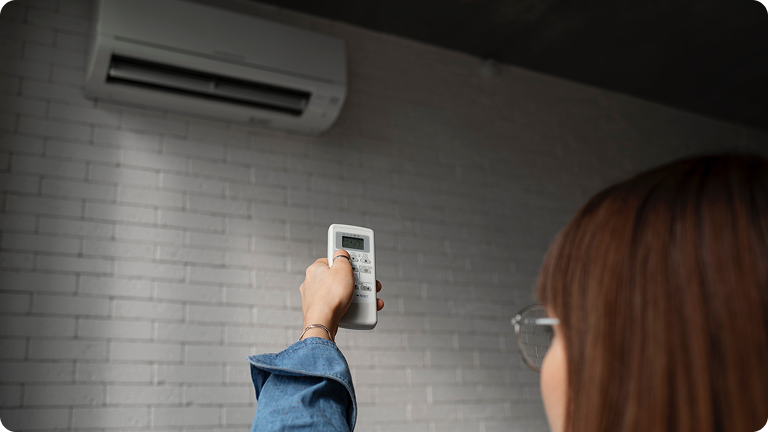

Your Trusted Local AC Experts
When the summer heat hits, you need an air conditioning system you can rely on. At Jim's Air Systems, we specialize in keeping your home cool and comfortable. Whether you need an emergency repair, a seasonal tune-up, or a brand new high-efficiency air conditioner, our family is here to help.
Our Air Conditioning Services include

AC Repair
We service all makes and models, quickly diagnosing and fixing any issue.
AC Installation & Replacement
Get a perfectly sized, high-efficiency system with our owner-led design and installation process.
AC Maintenance
Prevent breakdowns and improve efficiency with our comprehensive AC tune-ups.
Signs You Needs AC Service
.svg)
Ready for a Cooler, More Comfortable Home?
Whether you need an emergency repair or a free estimate on a new, energy-efficient air conditioner, our family is ready to provide honest advice and expert service. Contact us today!