
Restore Reliable Warmth to Your Home
Is your heating system failing to maintain a comfortable temperature during the damp, chilly winters common in Pittsburg? You are likely facing a mechanical failure or efficiency drop that requires immediate professional assessment; contact us today to schedule a comprehensive diagnostic or discuss financing options for a new system. Homeowners often ignore minor noises or fluctuations in heat until the system shuts down completely, leaving the household vulnerable to the cold. Jims Air Systems provides the technical expertise required to diagnose specific failure points and restore functionality quickly.
- Fast, reliable service available to address your immediate heating interruptions.
- Experienced technicians equipped to handle both minor repairs and full system upgrades.
- Clear, upfront assessments on the scope of work required.
All services are backed by a comprehensive labor warranty and adhere to local Contra Costa County building codes.
Comprehensive Heating Services and Diagnostics
When a heating unit fails, the primary goal is to identify the root cause accurately rather than simply swapping out parts. Modern heating systems, whether gas furnaces or electric heat pumps, rely on a complex interplay of airflow, fuel combustion, and electronic controls. A technician arrives at your property with the necessary testing equipment to isolate the issue immediately. The service call focuses on restoring safety and efficiency, ensuring that the heat generated is effectively distributed throughout the living space without energy waste or health hazards.
Upon arrival, the diagnostic process begins with a systematic evaluation of the unit’s critical components. This is not a cursory glance; it is a deep dive into the mechanical and electrical integrity of the system. For gas furnaces, this involves analyzing the combustion process to ensure carbon monoxide is being safely vented and that the heat exchanger remains uncompromised. For heat pumps, the focus shifts to refrigerant levels and the reversing valve operation.
The Diagnostic and Repair Scope Includes:
- Thermostat and Control Calibration: Technicians verify that the command center of your heating system is reading temperatures accurately and communicating correctly with the furnace or heat pump. Wiring issues or sensor failures here often mimic major system breakdowns.
- Ignition and Pilot Control: For gas systems, delayed ignition or pilot light failures are common. Service includes cleaning sensors, adjusting gas pressure, and replacing hot surface igniters to ensure safe and reliable startup cycles.
- Blower Motor and Airflow Analysis: A heating system cannot function if it cannot move air. The blower motor, capacitor, and fan belt are inspected for wear. Restricted airflow due to dirty components can cause the system to overheat and shut down automatically.
- Heat Exchanger Inspection: This is a critical safety check. Cracks in the heat exchanger can allow exhaust gases to mix with indoor air. Technicians use visual inspection tools and combustion analyzers to verify the integrity of this component.
- Electrical Connection Tightening: Loose voltage connections create resistance, leading to component failure and potential fire hazards. All electrical pathways are inspected, tightened, and tested for proper voltage and amperage draw.
- Safety Switch Verification: Modern heaters have multiple safety switches, including limit switches and rollout switches. These are tested to ensure they will shut the system down in the event of an emergency, protecting the property.
The Heating System Installation and Replacement Process
There are instances where a repair is either impossible due to the extent of the damage or financially unwise due to the age of the unit. When a new installation is necessary, the process moves from diagnosis to project planning. A proper installation is not just about placing a box in the garage or closet; it is about sizing the unit to the specific heat load of the home. An oversized unit will short-cycle, leading to humidity issues and wear, while an undersized unit will run continuously without reaching the set temperature.
The installation workflow follows a strict protocol to ensure the new system operates at its manufacturer-rated efficiency. This involves load calculation, ductwork assessment, and precise mechanical installation.
Steps for System Replacement:
- Load Calculation (Manual J): Before any equipment is selected, the technician calculates the heating requirements of the home based on square footage, insulation levels, window quality, and local climate data in Pittsburg. This ensures the selected unit has the correct BTU capacity.
- Site Preparation and Removal: The old unit is disconnected from gas lines, electrical supplies, and ductwork. It is removed safely, and the area is prepped. This often involves modifying the plenum or transition ducting to fit the new, more efficient equipment.
- Equipment Positioning and Connection: The new furnace or air handler is set in place. Technicians carefully level the unit to ensure proper drainage of condensate (for high-efficiency condensing furnaces). Gas lines are reconnected with sediment traps, and electrical whips are updated to code.
- Flue and Venting Installation: High-efficiency units often require different venting materials (PVC vs. metal) than older models. The venting system is installed to ensure exhaust gases are expelled directly outdoors without back-drafting.
- System Start-Up and Commissioning: Once mechanically installed, the system is not just turned on. It is commissioned. Gas pressure is adjusted to the manifold specifications, airflow static pressure is measured, and temperature rise (the difference between return and supply air) is verified to match the manufacturer's engineering data.
Deciding Between Repair and System Replacement
Homeowners often struggle with the financial decision of whether to repair an aging unit or invest in a modern replacement. This decision should be based on data, safety, and long-term math, rather than just the immediate cost of a repair ticket. Heating systems generally have a lifespan of 15 to 20 years, depending on maintenance history. As systems age, they lose efficiency, meaning you pay more each month for the same amount of heat.
Jims Air Systems helps homeowners navigate this decision by applying the "50% Rule" and analyzing the frequency of breakdowns. If the cost of the current repair approaches 50% of the value of a new unit, replacement is usually the smarter financial move. Additionally, parts availability for units over 15 years old becomes scarce, turning minor repairs into week-long waits for components.
Key Decision Factors:
- Age of the Equipment: If the furnace is over 15 years old, a major component failure (like a blower motor or control board) signals the end of its useful life.
- Frequency of Repairs: If you have required repairs in each of the last two winters, the system is becoming unreliable. Accumulating repair costs often exceed the monthly financing cost of a new, warrantied system.
- Efficiency Ratings (AFUE): Older furnaces may operate at 60% to 70% AFUE (Annual Fuel Utilization Efficiency). Modern standard units start at 80%, with high-efficiency models reaching 98%. Upgrading can reduce monthly fuel bills by up to 30%.
- Comfort Consistency: If some rooms are freezing while others are hot, or if the unit runs constantly to maintain temperature, the internal components are likely worn beyond reasonable repair.
- Safety Concerns: Any crack in a heat exchanger or recurring issues with flame rollout mandate an immediate replacement for the safety of the occupants.
Navigating Local Requirements and Climate Factors
Operating a heating system in Pittsburg requires an understanding of the specific local climate and regulatory environment. While the winters here are mild compared to other parts of the country, the region experiences significant rainfall and dampness between November and March. This humidity makes the perceived temperature lower, requiring heating systems to run effectively to keep the home dry and warm. A malfunctioning heater in this climate can lead to indoor air quality issues, including the promotion of mold growth due to excess moisture.
Furthermore, compliance with local building codes is non-negotiable for safety and property value. Installations and major alterations often require permits from the local building department. These regulations ensure that gas piping is pressure-tested, electrical circuits are properly grounded, and venting meets current safety standards.
Local Considerations for Homeowners:
- Permitting and Inspections: Professional providers handle the acquisition of necessary permits for system replacements. This protects the homeowner from liability and ensures the installation passes city inspection.
- Ductwork Sealing (Title 24): California regulations are strict regarding duct leakage. When installing new equipment, it is often required to test and seal existing ductwork to minimize energy loss. This ensures that the heat you pay for actually reaches the living space.
- Combustion Air Requirements: Modern airtight homes in the region may require specific dedicated combustion air intakes for gas furnaces to operate safely. Technicians evaluate the installation space (attic, closet, garage) to ensure sufficient air is available.
- Weatherization and Insulation: The efficiency of a heating system is directly tied to the home's envelope. Technicians often advise on insulation improvements that work in tandem with the heating unit to retain warmth during the wet winter months.
Technical Expertise and Service Standards
Choosing a service provider goes beyond finding the lowest initial quote. It involves selecting a team that understands the engineering behind HVAC systems and stands behind their workmanship. The difference between a system that lasts 10 years and one that lasts 20 years is often the quality of the installation and maintenance. Shortcuts taken during the diagnostic or installation phase—such as ignoring static pressure or failing to braze refrigerant lines with nitrogen—lead to premature failure.
Professional service focuses on long-term reliability. Technicians undergo continuous training to stay updated on the latest control boards, variable-speed motors, and smart home integrations. This expertise ensures that whether you have a vintage floor furnace or a modern communicating heat pump, the service provided follows the manufacturer's exact specifications.
Why Professional Service Matters:
- Advanced Diagnostic Tools: Professionals use digital manifolds, combustion analyzers, and micron gauges to measure system performance with precision, rather than guessing based on symptoms.
- Safety Protocols: Handling natural gas, high-voltage electricity, and pressurized refrigerants requires strict adherence to safety protocols to protect the technician and the home.
- Inventory and Access: Established providers carry a wide range of universal parts on their trucks, allowing for many repairs to be completed in a single visit.
- Warranty Protection: DIY repairs or work performed by unlicensed handymen can void manufacturer warranties. Licensed professional service ensures your warranty remains valid.
When your comfort is compromised, you need a solution that addresses the root of the problem efficiently and effectively. Trust Jims Air Systems to deliver the technical proficiency and customer-focused service required to keep your home warm and safe.
Restore Dependable Heating With Jims Air Systems
When winter dampness sets in, a reliable heating system is essential for comfort, safety, and indoor air quality. With expert diagnostics, code-compliant installations, and warranty-backed repairs, Jims Air Systems delivers dependable heating solutions tailored to Pittsburg homes. Do not let minor issues escalate into complete system failure—contact Jims Air Systems today to schedule your heating service or system evaluation and restore reliable warmth to your home.
Secure your comfort today—contact us now to schedule your heating service or system evaluation.
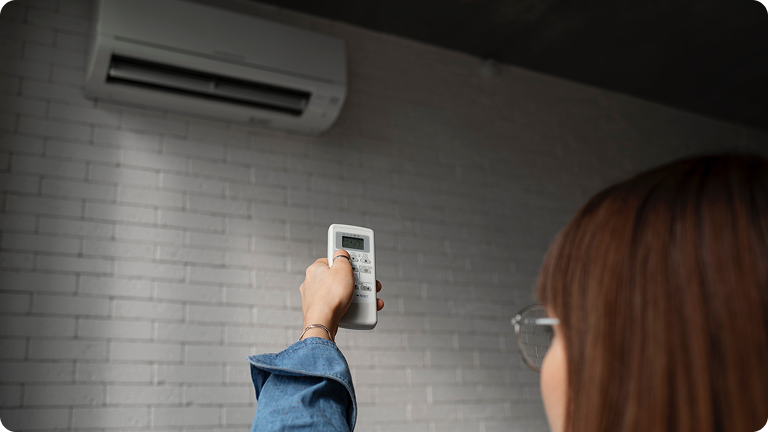

Your Trusted Local AC Experts
When the summer heat hits, you need an air conditioning system you can rely on. At Jim's Air Systems, we specialize in keeping your home cool and comfortable. Whether you need an emergency repair, a seasonal tune-up, or a brand new high-efficiency air conditioner, our family is here to help.
Our Air Conditioning Services include

AC Repair
We service all makes and models, quickly diagnosing and fixing any issue.
AC Installation & Replacement
Get a perfectly sized, high-efficiency system with our owner-led design and installation process.
AC Maintenance
Prevent breakdowns and improve efficiency with our comprehensive AC tune-ups.
Signs You Needs AC Service
.svg)
Ready for a Cooler, More Comfortable Home?
Whether you need an emergency repair or a free estimate on a new, energy-efficient air conditioner, our family is ready to provide honest advice and expert service. Contact us today!