
Uneven Heating and Rising Bills Signal It Is Time for a Change
Facing cold nights with an outdated or malfunctioning heating system can be stressful, especially when the temperature drops unexpectedly. In Pittsburg, CA, where winters bring dampness and chill, you need a certified team to provide a swift, reliable furnace installation that guarantees warm and comfortable nights. Contact us today to schedule an assessment or apply for financing to restore your home comfort immediately.
- Receive your installation quote today—with no hidden costs.
- Benefit from industry-leading warranties and efficient service.
- Flexible financing options to meet your budget needs.
Fully licensed and insured, with comprehensive warranties and straightforward financing.
What to Expect From Professional Furnace Installation
Investing in a new heating unit is a significant decision that impacts your home’s comfort, energy efficiency, and safety for the next 15 to 20 years. Modern furnace installation goes beyond simply swapping out a metal box. It involves a holistic assessment of your home's thermal characteristics to ensure the new system operates at peak performance.
Homeowners in Pittsburg often contend with heating systems that were installed decades ago. These older units typically operate at lower efficiency levels, often around 60% to 70% AFUE (Annual Fuel Utilization Efficiency). This means nearly 30 to 40 cents of every dollar spent on heating is wasted. Our installation service focuses on upgrading you to high-efficiency models, often exceeding 90% AFUE, which drastically reduces utility waste and improves heat distribution.
The scope of a professional installation includes:
- Load Calculation: We perform a Manual J load calculation to determine the exact heating requirements of your specific floor plan, insulation levels, and window orientation.
- System Selection: We help you choose between single-stage, two-stage, or modulating furnaces based on your comfort needs and budget.
- Ductwork Inspection: Existing ductwork is evaluated for leaks or disconnects to ensure the new furnace delivers air effectively to every room.
- Safety Compliance: All gas lines, electrical connections, and venting systems are brought up to current local safety codes.
- Disposal: The old unit is safely removed and recycled according to environmental regulations.
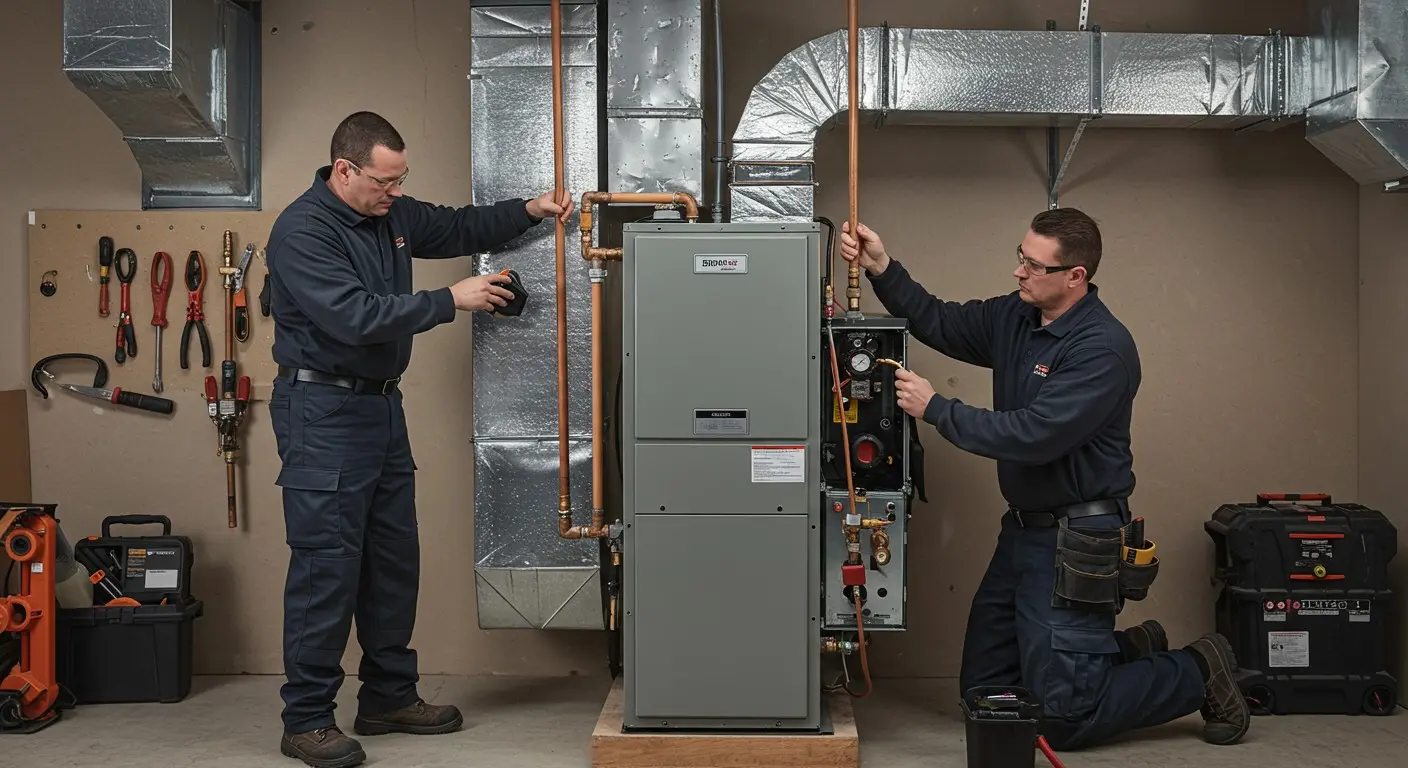
The Installation Process: Step-by-Step
Understanding the installation timeline helps you prepare for the day of service. A typical changeout can be completed in a single day, though more complex installations involving ductwork modification may take longer. We value your time and aim to minimize disruption to your daily routine while maintaining strict quality control.
Here is how the installation workflow proceeds:
- Site Preparation: Technicians arrive with floor protection to safeguard your home. The area around the furnace is cleared to allow safe access for tools and equipment.
- Decommissioning the Old Unit: Power and gas supplies are shut off. The old furnace is disconnected from the plenum, flue pipe, and gas lines, then carefully removed from the property.
- Infrastructure Assessment: Before the new unit is placed, the team inspects the plenum and return air drop. If modifications are necessary to fit the new cabinet size, sheet metal work is performed on-site.
- Positioning and Connection: The new furnace is leveled and secured. Technicians reconnect the gas line using new sediment traps and shut-off valves if required by code.
- Venting and Electrical: Flue pipes are installed to ensure carbon monoxide is safely vented outside. Electrical wiring is connected to the thermostat and main panel.
- Condensate Management: For high-efficiency condensing furnaces, a drain line is installed to manage moisture byproduct effectively.
- System Start-Up and Testing: The system is fired up. Technicians check gas pressure, measure temperature rise, and verify that the static pressure is within the manufacturer's specifications.
- Final Walkthrough: You receive a demonstration of how to operate the new system, change filters, and program the thermostat.
Determining When to Replace vs. Repair
Homeowners often struggle with the decision of whether to pour more money into an aging unit or invest in a replacement. While repairs can solve immediate issues, they are often temporary fixes for a system nearing the end of its lifecycle. Making the right choice depends on analyzing age, cost, and safety factors.
The 50% Rule
A common industry standard for decision-making is the 50% rule. If the cost of the repair approaches 50% of the value of a new system, replacement is generally the smarter financial move. As systems age, parts become obsolete and more expensive to source. Investing half the cost of a new machine into an old one often results in diminishing returns.
System Age and Reliability
Furnaces generally last between 15 and 20 years. If your unit is over 15 years old and requires frequent repairs, it is living on borrowed time. Older units are susceptible to heat exchanger cracks, which can lead to dangerous carbon monoxide leaks. If your burner flame is yellow instead of blue, or if you hear booming, popping, or rattling noises, these are critical indicators of internal failure.
Efficiency and Comfort
If some rooms in your house are freezing while others are hot, or if your energy bills have spiked without a change in usage, your furnace has likely lost its ability to distribute heat effectively. Jims Air Systems recommends replacement in these scenarios to stop the financial bleed of inefficient energy consumption.
Essential Considerations for Local Installations
Operating a heating system in Contra Costa County requires adherence to specific regional requirements and an understanding of the local climate. While winters here are not sub-zero, they are wet and prolonged, meaning your furnace runs for extended periods to combat dampness.
Permitting and Compliance
In Pittsburg and the surrounding California regions, furnace replacements are subject to strict building codes. A permit is legally required for installation. This ensures that the gas piping, electrical work, and venting meet safety standards. Unpermitted work can lead to fines, safety hazards, and issues when selling your home. We handle the permitting process, ensuring all work passes the required city or county inspections.
Title 24 Energy Standards
California’s Title 24 energy standards are among the strictest in the nation. When installing a new furnace, contractors must verify that the ductwork is sealed and tested for leakage if the system includes cooling, or if a significant amount of ducting is replaced. This ensures that the high-efficiency furnace you buy isn't losing heat through leaky ducts in the attic or crawlspace.
Gas Line Upgrades
Older homes in the area may have sediment traps (drip legs) on gas lines that do not meet current codes. During installation, it is mandatory to upgrade these to prevent debris from clogging the gas valve, ensuring safe and reliable ignition.
Condensate Drainage
High-efficiency furnaces produce water (condensate) as they extract heat from exhaust gases. Because local winters do not typically freeze hard enough to block outdoor drains, routing condensate lines requires careful planning to prevent algae growth or blockage, but generally offers more flexibility than in deep-freeze climates.
Types of Furnaces and Performance Differences
Selecting the right hardware is critical for long-term satisfaction. The market offers three main categories of gas furnaces, each providing a different level of comfort and efficiency.
Single-Stage Furnaces
This is the most basic technology. The furnace has one setting: high. When the thermostat calls for heat, the furnace runs at full capacity until the target temperature is reached, then shuts off.
- Pros: Lower upfront cost, reliable technology.
- Cons: Can be noisy; temperature swings are noticeable; less energy efficient.
Two-Stage Furnaces
These units can operate at a low setting (usually 60-70% capacity) and a high setting. Most of the time, the furnace runs in the low stage, providing a gentle, steady stream of warm air. It only kicks into high gear during extreme cold snaps.
- Pros: Quieter operation; more even temperatures; better air filtration due to longer run times.
- Cons: Moderate price point.
Modulating Furnaces
The pinnacle of heating technology, modulating furnaces can adjust their heat output in roughly 1% increments. They precisely match the heating load of the home in real-time.
- Pros: Near-perfect temperature maintenance (within 1 degree); highest efficiency ratings (up to 98% AFUE); quietest operation.
- Cons: Higher initial investment.
Technical Sizing: Why Size Matters
One of the most common errors in the HVAC industry is oversizing the furnace. A unit that is too large for the home will "short cycle." This means it heats the house too quickly and shuts off before the cycle is complete.
Short cycling causes several problems:
- Premature Wear: The constant on-off cycling puts excessive stress on the heat exchanger, blower motor, and igniter, leading to early failure.
- Poor Comfort: The furnace creates blasts of hot air followed by rapid cooling, leading to hot and cold spots throughout the house.
- Inefficiency: The system never reaches its peak operating efficiency because it doesn't run long enough to stabilize.
Conversely, an undersized unit will run continuously without ever reaching the set temperature, driving up utility bills and failing to provide comfort. Professional load calculation eliminates guesswork, ensuring the unit is sized perfectly for the square footage and thermal envelope of your property.
Air Quality and Filtration Integration
Modern furnace installation is the perfect time to address Indoor Air Quality (IAQ). Since the furnace acts as the lungs of your home, circulating air through every room, the filter system attached to it dictates what you breathe.
Standard 1-inch fiberglass filters are designed primarily to protect the equipment, not your lungs. During the installation process, we can integrate media cabinets that house 4-inch or 5-inch thick pleated filters. These have a much higher surface area, allowing them to capture smaller particles like pollen, pet dander, and dust mites without restricting airflow.
For homeowners with allergies or asthma, incorporating UV lights or whole-home humidifiers into the new furnace installation can further sanitize the air and maintain optimal humidity levels, preventing dry skin and static electricity common during winter months.
Why Professional Execution Matters
The brand of the furnace is secondary to the quality of the installation. Even the most expensive, top-tier furnace will fail prematurely if installed incorrectly. Critical factors such as proper airflow, gas pressure calibration, and duct sealing are determined solely by the skill of the technician.
We utilize advanced diagnostic tools to verify that the static pressure inside the ductwork matches the manufacturer's design. If the static pressure is too high, the blower motor will overwork and burn out. If it is too low, airflow will be weak. Our technicians are trained to identify and rectify these airflow issues during the installation phase, ensuring the equipment performs exactly as rated.
Furthermore, manufacturer warranties often require proof of professional installation and regular maintenance. DIY or handyman installations can void these warranties, leaving you unprotected. We provide full documentation and warranty registration to safeguard your investment.
Secure Your Comfort for the Season
Waiting for a total system failure often leads to rushed decisions and uncomfortable nights. A planned replacement allows you to choose the best system for your specific needs, take advantage of financing, and ensure your home remains warm regardless of the weather outside. Jims Air Systems is dedicated to providing Pittsburg residents with heating solutions that prioritize efficiency, safety, and longevity.
Do not let an unreliable furnace compromise your comfort or safety. Book your consultation today to explore your options and secure a professional installation.
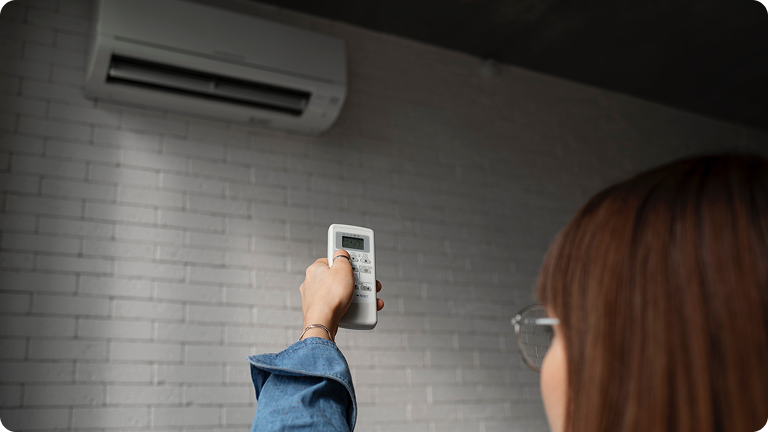

Your Trusted Local AC Experts
When the summer heat hits, you need an air conditioning system you can rely on. At Jim's Air Systems, we specialize in keeping your home cool and comfortable. Whether you need an emergency repair, a seasonal tune-up, or a brand new high-efficiency air conditioner, our family is here to help.
Our Air Conditioning Services include

AC Repair
We service all makes and models, quickly diagnosing and fixing any issue.
AC Installation & Replacement
Get a perfectly sized, high-efficiency system with our owner-led design and installation process.
AC Maintenance
Prevent breakdowns and improve efficiency with our comprehensive AC tune-ups.
Signs You Needs AC Service
.svg)
Ready for a Cooler, More Comfortable Home?
Whether you need an emergency repair or a free estimate on a new, energy-efficient air conditioner, our family is ready to provide honest advice and expert service. Contact us today!