
Is Your Heating System Failing to Combat the Cold?
When the damp chill of a Pittsburg winter settles in, a malfunctioning furnace is more than an inconvenience; it is a disruption to your safety and daily routine. If your system is blowing cold air, making alarming noises, or refusing to turn on, you need professional intervention immediately to restore comfort to your home. Contact us today or call to schedule priority diagnostic service.
Homeowners in Pittsburg, CA know that while our summers are hot, the months from November through March bring a specific kind of wet, penetrating cold that demands a reliable heating system. Waiting for a breakdown to resolve itself often leads to frozen pipes, uncomfortable nights, and more expensive repairs down the line. Jims Air Systems provides the technical expertise required to diagnose complex heating issues accurately and implement lasting solutions without delay.
- Same-day service availability ensures your heating emergency is addressed before the temperature inside drops further.
- Our technicians provide transparent, competitive pricing with clear, upfront cost estimates before any work begins.
- We deploy expert technicians certified in both modern high-efficiency units and older furnace models common in the area.
All repairs performed by our team come with comprehensive warranty protection, and we offer flexible financing options to ensure your home remains warm without breaking your budget.
Immediate Furnace Restoration: What to Expect Today
When you request service for a heating failure, the goal is not just a quick patch but a complete restoration of system performance. The repair process begins the moment a technician arrives at your property. The focus is on rapid identification of the root cause, followed by an immediate resolution using stocked parts and professional-grade tools. You are not looking for a sales pitch; you are looking for heat. The service is structured to minimize downtime and eliminate the guesswork often associated with HVAC repairs.
A professional diagnostic visit covers the entire heating cycle. Technicians do not simply reset a breaker and leave. They analyze the sequence of operation, from the thermostat call to the ignition sequence and blower engagement. This thorough approach ensures that secondary issues—such as a weak flame sensor or a failing limit switch—are caught and corrected during the same visit, preventing a callback a few days later.
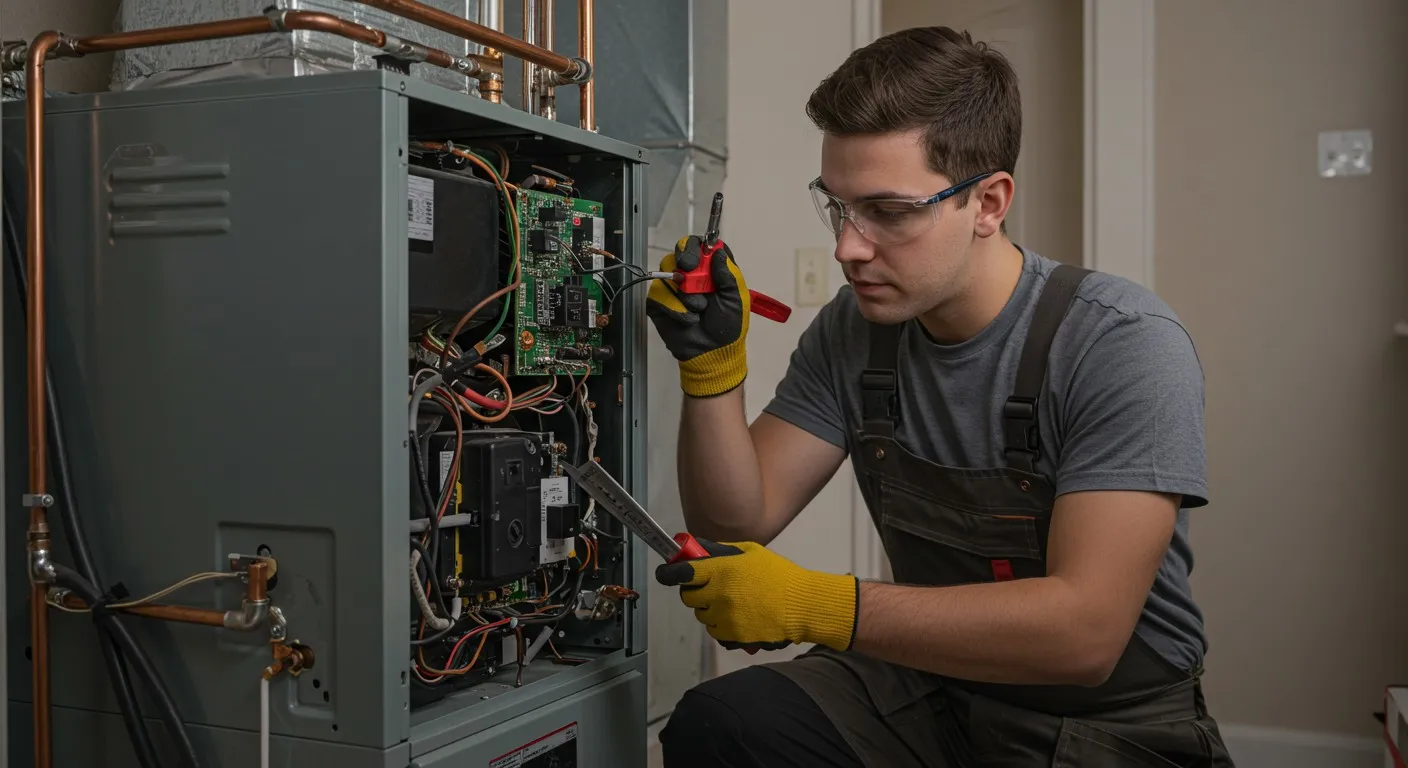
Comprehensive System Diagnostics
The diagnostic phase is the most critical part of the service. Without an accurate diagnosis, money is wasted on unnecessary parts. Technicians arrive equipped with advanced multimeters, manometers, and combustion analyzers to read the vital signs of your furnace.
- Electrical Component Testing: The technician tests capacitors, transformers, and control boards to ensure electrical signals are traveling correctly through the system.
- Airflow and Static Pressure Analysis: Restricted airflow is a leading cause of furnace failure. Measurements are taken to verify that the blower motor is moving sufficient air across the heat exchanger to prevent overheating.
- Gas Pressure Verification: For gas furnaces, proper manifold pressure is essential for efficient combustion. Technicians adjust the gas valve to manufacturer specifications to ensure the flame is neither too weak nor dangerous.
- Ignition System Troubleshooting: Whether your system uses a standing pilot, hot surface ignitor, or spark ignition, the startup sequence is tested repeatedly to ensure reliability.
Safety Inspections and Carbon Monoxide Testing
A broken furnace can sometimes be a dangerous furnace. Part of the repair service involves a mandatory safety inspection to protect your household. Incomplete combustion or a cracked heat exchanger can leak carbon monoxide into the living space.
- Heat Exchanger Analysis: Technicians visually inspect the heat exchanger for cracks, rust, or corrosion that could allow exhaust gases to mix with the breathable air.
- Ventilation Drafting: The flue pipe and venting system are checked to ensure that all combustion byproducts are safely exiting the home and not back-drafting due to blockages or negative pressure.
- Safety Switch Verification: Modern furnaces have multiple safety interlocks, including rollout switches and high-limit switches. These are tested to confirm they will shut the unit down in the event of an unsafe operating condition.
The Repair Process: Step-by-Step Execution
Understanding how the repair works helps alleviate the stress of the situation. The process is designed to be efficient, respectful of your property, and technically sound. There are no hidden steps or surprise fees; everything follows a logical progression from arrival to completion.
- Arrival and Site Protection: The technician arrives within the scheduled window, parking in a designated area. Shoe covers and floor mats are used to protect your flooring and keep the work area clean.
- System Assessment: You explain the symptoms you have noticed—strange smells, banging noises, or short-cycling. The technician then performs the diagnostic tests mentioned previously to pinpoint the failure.
- Explanation and Quote: Once the problem is identified, the technician explains exactly what failed and why. You are presented with a clear, flat-rate price for the repair. This quote includes parts and labor, so the price does not change even if the job takes longer than expected.
- Authorization: Work only begins after you have approved the scope and price. You are in control of the decision-making process at all times.
- Execution of Repair: The technician retrieves the necessary parts from the service vehicle. Most common components, such as ignitors, flame sensors, capacitors, and pressure switches, are stocked on the truck to facilitate same-day completion.
- System Testing and Calibration: Installing the part is only half the job. The system is run through a full heating cycle to verify the fix. The technician checks the temperature rise (the difference between air entering and leaving the furnace) to ensure it falls within the manufacturer’s range.
- Final Walkthrough: The technician shows you the old part, explains the work done, and verifies that heat is actively circulating through your vents. Payment is processed only after the system is running correctly.
Repair vs. Replacement: Making the Financially Sound Choice
One of the most difficult decisions homeowners face during a breakdown is whether to invest in a repair or opt for a full system replacement. This decision should rely on data and financial logic rather than emotional pressure. While a repair is often the fastest solution, there are scenarios where sinking money into an aging unit yields a poor return on investment.
The 50% Rule and Multiplier Formula
Industry experts often use specific formulas to guide this decision. These objective measures help remove the guesswork.
- The 50% Rule: If the cost of the repair approaches 50% of the cost of a new system, replacement is generally the better financial move. Investing half the value of a new asset into an old, depreciating one is rarely wise.
- The 5,000 Rule: Multiply the age of your furnace by the estimated repair cost. If the total exceeds $5,000, replacement is recommended. For example, a 15-year-old furnace with a $400 repair ($6,000 total) is a candidate for replacement, whereas a 5-year-old furnace with the same repair ($2,000 total) should be repaired.
Critical Failure Points Requiring Replacement
Certain components are so integral and expensive that their failure typically signals the end of the furnace's lifespan.
- Cracked Heat Exchanger: This is the heart of the furnace. If it cracks, it poses a severe carbon monoxide risk. Replacing a heat exchanger is labor-intensive and costly; in almost all cases, replacing the entire furnace is the safer and more economical choice.
- Secondary Heat Exchanger Failure: In high-efficiency condensing furnaces, the secondary heat exchanger can become clogged or corroded. This is a major repair that often warrants a system upgrade.
Efficiency and Long-Term Savings
Older furnaces in the Pittsburg area may be operating at 60% to 70% Annual Fuel Utilization Efficiency (AFUE). This means 30 to 40 cents of every dollar you spend on gas is wasted up the flue pipe.
- Modern systems operate at 80% to 98% efficiency.
- Upgrading can result in significant monthly savings on utility bills, effectively subsidizing the cost of the new unit over time.
- New systems often come with 10-year parts warranties, providing a decade of peace of mind that a patched-up older unit cannot offer.
Local Considerations for Heating in Pittsburg, CA
Operating a furnace in Pittsburg requires attention to specific regional factors. The local climate and regulatory environment influence how systems are repaired and maintained. Unlike the extreme freeze of the Midwest or the constant heat of the desert, our Mediterranean climate presents unique challenges.
Combatting Moisture and Corrosion
Pittsburg experiences the majority of its rainfall during the winter months. This increase in humidity and dampness can affect heating equipment, particularly units located in unconditioned spaces like attics or crawlspaces.
- Rust and Corrosion: High humidity can accelerate rust on burners, pilot assemblies, and electrical connections. Jims Air Systems technicians specifically check for moisture-related degradation during repair visits.
- Mold Growth: Damp winters can lead to mold growth in ductwork if the heating system is not cycling frequently enough to dry out the air. Proper filtration and humidity control are essential aspects of the service.
Navigating Permits and Building Codes
HVAC work in Pittsburg, CA is subject to California Title 24 energy standards and local building codes enforced by the City of Pittsburg Building Division.
- Permit Requirements: While minor repairs (like changing a capacitor) generally do not require a permit, significant alterations, ductwork replacement, or furnace change-outs do. Licensed professionals ensure all work complies with local safety codes.
- Safety Compliance: Regulations regarding flue venting, gas line sediment traps, and combustion air intake are strictly enforced to ensure resident safety. A professional repair adheres to these standards to prevent future inspection failures or safety hazards.
Utility Infrastructure Compatibility
Most homes in the area rely on natural gas supplied by utility providers for heating. However, some newer or retrofitted homes utilize heat pump technology.
- Gas Furnace Tuning: Natural gas composition can vary slightly. Technicians ensure the gas-to-air mixture is optimized for the local supply to prevent soot buildup and ensure maximum heat output.
- Electrical Requirements: Furnace blowers require stable voltage. Technicians check the dedicated circuits to ensure they meet the amperage requirements of the motor, preventing electrical fires or premature motor failure.
Technical Expertise and Service Reliability
When your heating system fails, you need more than a handyman; you need a certified HVAC specialist who understands the thermodynamics and electrical engineering behind modern heating systems. The difference between a temporary fix and a permanent solution lies in the training and tooling of the technician.
Advanced Certification and Training
Professional service providers invest heavily in ongoing training. Heating technology changes rapidly, with variable-speed motors, modulating gas valves, and smart thermostat integration becoming standard.
- NATE-Certified Technicians: Look for North American Technician Excellence (NATE) certification, which verifies a technician’s real-world working knowledge of HVAC systems.
- Manufacturer Training: Technicians undergo specific training from major furnace manufacturers to understand the proprietary logic boards and error codes of different brands.
Diagnostic Technology
Guesswork is expensive. Utilizing advanced diagnostic tools ensures that the repair addresses the cause, not just the symptom.
- Combustion Analysis: Digital analyzers measure oxygen, carbon dioxide, and carbon monoxide levels in the flue gas to tune the furnace for peak efficiency.
- Static Pressure Manometers: These tools measure the resistance your ductwork places on the blower motor, helping identify if a "bad motor" is actually caused by undersized ducts or dirty filters.
- Thermal Imaging: Infrared cameras can identify heat loss in ducts or hotspots in electrical panels that are invisible to the naked eye.
Transparency and Trust
A reliable service provider operates with full transparency. You should never receive a bill that is higher than the quote you approved.
- Written Warranties: Reputable repairs are backed by written labor and parts warranties. If the specific part fails again within the warranty period, it is replaced at no cost to you.
- Detailed Invoices: Service records should detail exactly what was done, including part numbers and test results. This history is vital for future maintenance or real estate transactions.
Restoring warmth to your home requires swift action and technical precision. Do not let a cold house compromise your comfort or safety this winter. Trust Jims Air Systems to deliver the expertise, speed, and reliability necessary to get your furnace running efficiently again. Our team is standing by to handle your heating emergency with the professionalism you deserve.
Schedule Priority Furnace Repair for Immediate Relief
Restoring warmth to your home requires swift action and technical precision, especially during Pittsburg’s damp winter season. If your furnace is blowing cold air, cycling incorrectly, or showing warning signs that affect comfort and safety, professional repair is the fastest path to stable heat and peace of mind. Jims Air Systems is ready to deliver accurate diagnostics, reliable repairs, and transparent service that keeps your home comfortable when it matters most.
Take control of your indoor climate today—contact us now to schedule your furnace repair and experience immediate relief from the cold.
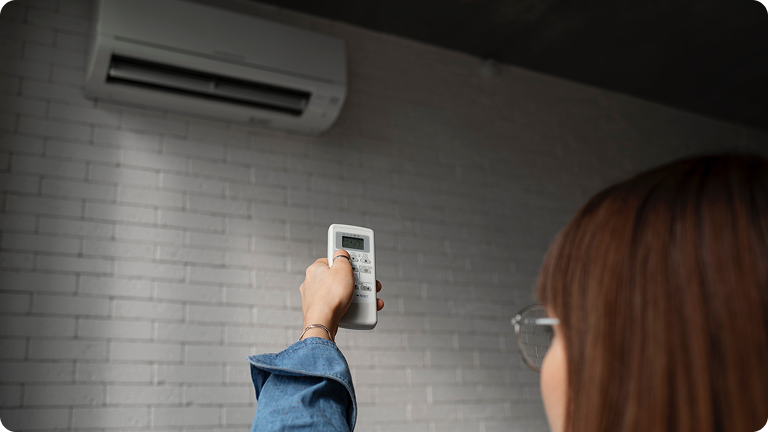

Your Trusted Local AC Experts
When the summer heat hits, you need an air conditioning system you can rely on. At Jim's Air Systems, we specialize in keeping your home cool and comfortable. Whether you need an emergency repair, a seasonal tune-up, or a brand new high-efficiency air conditioner, our family is here to help.
Our Air Conditioning Services include

AC Repair
We service all makes and models, quickly diagnosing and fixing any issue.
AC Installation & Replacement
Get a perfectly sized, high-efficiency system with our owner-led design and installation process.
AC Maintenance
Prevent breakdowns and improve efficiency with our comprehensive AC tune-ups.
Signs You Needs AC Service
.svg)
Ready for a Cooler, More Comfortable Home?
Whether you need an emergency repair or a free estimate on a new, energy-efficient air conditioner, our family is ready to provide honest advice and expert service. Contact us today!