
Is Your Ductless System Failing to Maintain Consistent Temperatures?
Dealing with a mini split that refuses to heat or cool effectively creates immediate frustration. You are likely experiencing uneven zones, strange noises, or a complete system failure right when Martinez weather demands reliable climate control. Restore your comfort and secure your home’s temperature regulation by contacting us today for service or to discuss our financing options.
- Restore your comfort quickly with prioritized same-day service scheduling.
- Benefit from expert diagnostic solutions backed by over 20 years of industry experience.
- Enjoy peace of mind with comprehensive labor warranties and full licensure.
- Fully licensed and insured, with flexible financing available to fit your budget.
When a ductless system acts up, the issue is often specific to the intricate electronics or refrigerant levels unique to these units. Unlike central HVAC systems, mini splits require specialized tools and training to diagnose correctly without damaging the sensitive inverter technology. Jims Air Systems provides focused, BOFU-level service designed to get your equipment running immediately or replaced efficiently if necessary. We understand the specific load requirements for homes in this region, ensuring your system can handle the swing from wet, chilly winters to dry, 90°F summers.
Diagnosing Performance Issues and Immediate Repairs
When you schedule a service visit, the priority is identifying the root cause of the failure rather than guessing with expensive part swaps. Ductless mini splits are sophisticated pieces of equipment that rely on inverter technology, which modulates the compressor speed. If your unit is blowing lukewarm air or shutting down randomly, the problem often lies within the communication lines, the control board, or the refrigerant charge.
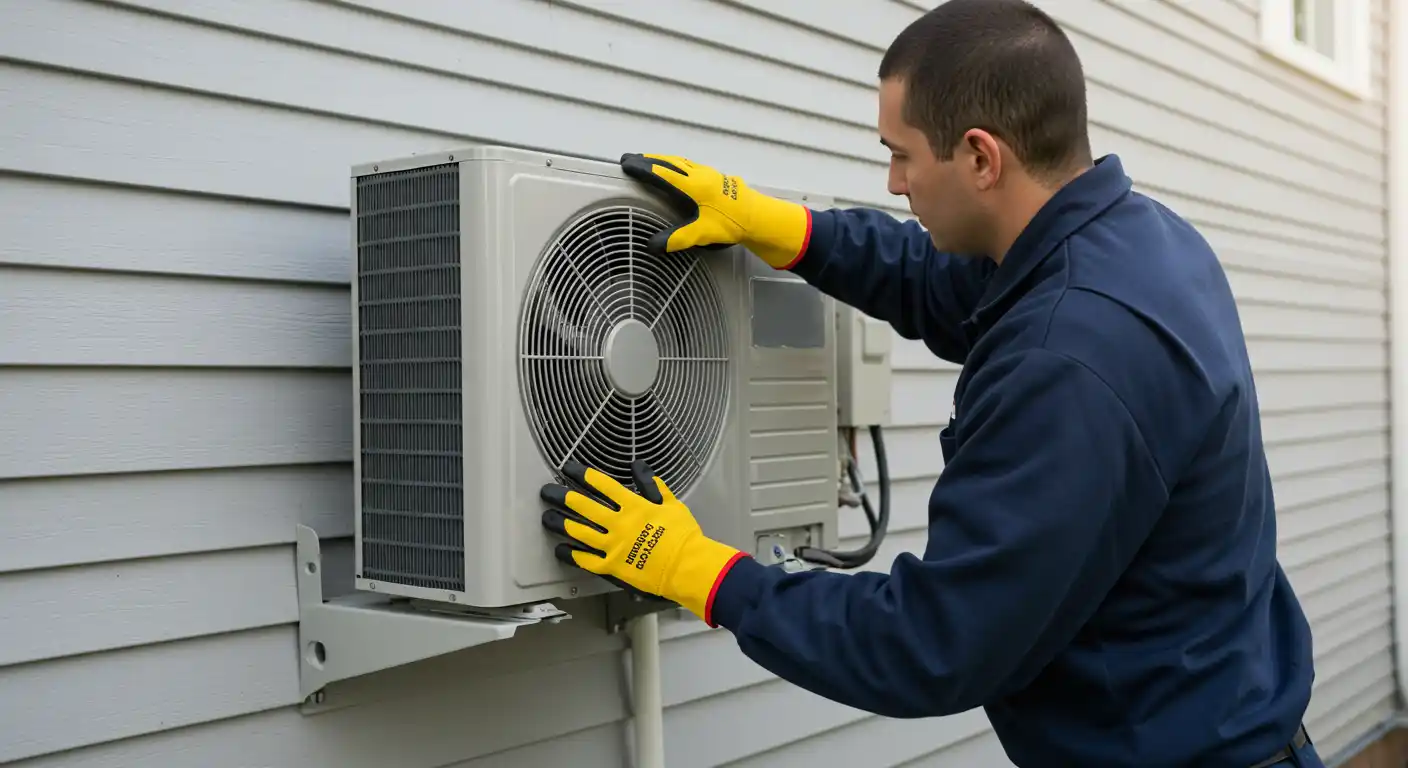
Upon arrival, a technician performs a thorough evaluation of both the indoor air handler and the outdoor condenser. This is not a cursory glance; it involves hooking up digital gauges to read superheat and subcooling levels to verify refrigerant proficiency. The electrical components are tested for voltage drops or loose connections, which are common culprits for intermittent operation.
Typical issues addressed during a service call include:
- Refrigerant Leaks: Identifying and sealing leaks at the flare connections, which are prone to loosening over time due to thermal expansion and contraction.
- Sensor Malfunctions: Recalibrating or replacing thermistors that tell the unit what the room temperature is, ensuring the system cycles off at the correct time.
- Drainage Failures: Clearing blockages in the condensate line that cause water to leak down your wall or trigger the unit’s safety float switch to shut the system down.
- Control Board Errors: Diagnosing communication errors between the indoor and outdoor units, often indicated by specific error codes on the display.
The goal of a repair visit is to leave you with a fully clear understanding of why the failure happened and to execute a permanent fix that restores efficiency.
What is Included in Professional Maintenance and Service
Routine service goes beyond simple repairs; it involves a deep clean and calibration to extend the lifespan of your investment. Mini splits do not have ductwork, which means the indoor unit handles all the filtration and air movement directly in your living space. Over time, the blower wheel and evaporator coil can accumulate dust, mold, and biological growth, which severely restricts airflow and degrades indoor air quality.
A comprehensive service visit includes detailed cleaning and mechanical checks. This process ensures that the heat transfer efficiency remains high, keeping your utility bills lower.
The scope of work for a full service typically includes:
- Blower Wheel Cleaning: Removing the blower wheel to manually clean the fan blades. Dust buildup here causes the fan to become unbalanced, leading to noise and reduced air throw.
- Coil Sanitization: Applying a non-acidic cleaner to the evaporator coils to remove dirt and bacteria that insulate the coil and prevent proper cooling or heating.
- Filter Maintenance: Cleaning or replacing the mesh filters. In Martinez, where pollen and dust can be prevalent during dry seasons, these filters block quickly.
- Electrical Inspection: Tightening all electrical connections at the terminal block. Loose wires can cause arcing and eventually fry the main circuit board.
- Condenser Cleaning: Washing the outdoor coil to remove leaves, grass clippings, and dirt that block heat rejection.
- Performance Testing: Running the unit in maximum heating and cooling modes to verify the temperature split (the difference between air entering and leaving the unit) meets manufacturer specifications.
The Installation and Replacement Process
There comes a point where a system is too old or damaged to justify repair, or perhaps you are installing a mini split for the first time to condition a new room or accessory dwelling unit. The installation process is critical; a poor installation is the leading cause of premature mini split failure. Correct sizing and strictly following manufacturer protocols for line set length and vacuum pressure are non-negotiable.
The process begins with a load calculation. It is insufficient to guess the size of the unit based on square footage alone. Factors such as window direction, insulation levels, and ceiling height play a massive role in determining the BTU capacity needed.
The installation workflow follows these steps:
- Site Selection: Determining the optimal location for the indoor head to ensure even air distribution and the best location for the outdoor unit to minimize noise and line set length.
- Mounting and Drilling: Securely mounting the backplate to the wall studs and drilling a 3-inch hole through the exterior wall at a precise downward slope to ensure proper gravity drainage.
- Line Set Connection: Bending and connecting the copper refrigerant lines. This requires a flare tool to create a perfect seal that can withstand high pressure without leaking.
- Pressure Testing: Pressurizing the lines with nitrogen to 500+ PSI to ensure there are absolutely no leaks before refrigerant is released.
- Vacuuming: Using a vacuum pump to remove all moisture and air from the lines, pulling the vacuum down to below 500 microns. Moisture in the system is fatal to the compressor.
- Electrical Integration: Connecting the communication wire and high-voltage power, ensuring all local codes regarding disconnect boxes and whip sizing are met.
- Final Commissioning: Releasing the refrigerant and testing the system in all operational modes.
When to Replace vs. Repair Your System
Deciding whether to sink more money into an aging unit or invest in a new system is a common dilemma. While repairs are often the most immediate solution, they are not always the most improved financial decision in the long run. Mini splits generally have a lifespan of 12 to 15 years with proper maintenance. As they age, parts become harder to source, and efficiency drops significantly compared to modern units.
You should consider replacement over repair if:
- The 50% Rule: The cost of the repair equals or exceeds 50% of the cost of a brand-new system.
- Refrigerant Type: Your system utilizes R-22 refrigerant. This type is phased out, making it incredibly expensive and environmentally harmful to top off. Modern systems use R-410A or newer alternatives.
- Compressor Failure: If the compressor—the heart of the system—fails and the unit is out of warranty, replacement is almost always the better option due to the labor and part cost involved.
- Frequent Breakdowns: If you have required multiple repairs in the last two years, the unit is likely reaching the end of its useful life.
- Efficiency Gains: Newer mini splits offer SEER ratings well above 20 or 25. If your current unit is older and lower efficiency, the energy savings from a new unit can help offset the installation cost over time.
Local Considerations for Martinez Residents
Operating a mini split in this specific region requires attention to local environmental factors. The climate here features a distinct wet season and a dry, hot summer. This fluctuation impacts how your system should be installed and maintained.
- Permitting and Codes: Installing a new mini split is a construction alteration that requires adherence to local building codes. This ensures the electrical circuits are not overloaded and the unit is mounted safely. Professional providers handle the permitting process to ensure your installation is compliant with city regulations.
- Winter Humidity: The wet winters can cause outdoor units to freeze over if they are not equipped with a proper defrost cycle or if they are mounted too close to the ground where water pools. Elevating the outdoor condenser on a stand or wall bracket is standard practice here to protect it from ground moisture and debris.
- Summer Strain: During the peak heat of summer, temperatures can soar. A system that hasn't had its coils cleaned will struggle to shed heat, driving up your electric bill. Regular maintenance before the summer spike is essential for efficiency.
- Electrical Rates: With energy costs in California being among the highest in the nation, the efficiency of a mini split is a major advantage. Ensuring your unit is running at peak performance helps mitigate high utility bills from PG&E.
Differentiators and Technical Expertise
Choosing the right service provider determines the longevity of your equipment. Mini splits are technically distinct from standard forced-air systems. They require technicians who are specifically trained in inverter technology and ductless zoning. A general handyman or a technician who only works on traditional furnaces may lack the specific tools, such as torque wrenches for flare nuts or micron gauges for vacuuming, required to service these units correctly.
We focus on technical precision. From the moment of diagnosis to the final test run, every step is executed with adherence to manufacturer specifications. This prevents the common "leaky system" issues that plague poorly serviced mini splits. Our vans are stocked with the specific control boards, sensors, and cleaning equipment necessary to resolve issues on the first visit whenever possible.
We stand behind our work with robust labor warranties and a commitment to transparency. You will receive a clear explanation of the problem and a fixed quote before any work begins. There are no surprise fees or hidden costs.
Total Comfort, Any Season: Schedule Your Mini Split Service Today
Jims Air Systems is dedicated to keeping your home comfortable through every season. Whether you need an emergency repair during a heatwave or a new installation to modernize your home comfort, we provide the expertise and reliability you need.
Take control of your indoor climate today. Contact us now to schedule your mini split service or consultation.

Your Trusted Local AC Experts
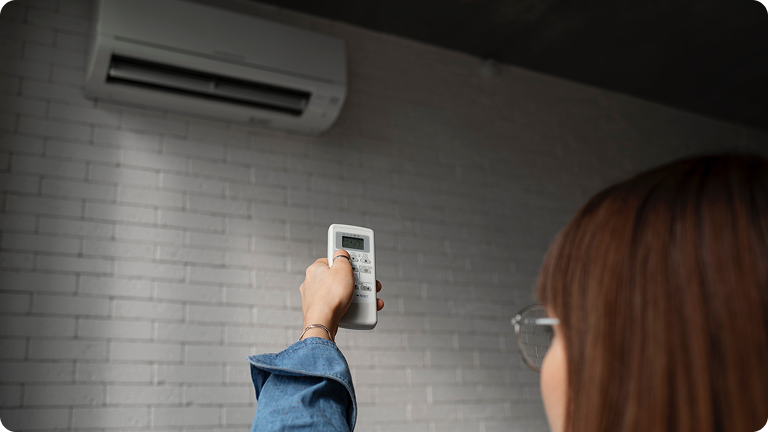
When the summer heat hits, you need an air conditioning system you can rely on. At Jim's Air Systems, we specialize in keeping your home cool and comfortable. Whether you need an emergency repair, a seasonal tune-up, or a brand new high-efficiency air conditioner, our family is here to help.
Our Air Conditioning Services include

AC Repair
We service all makes and models, quickly diagnosing and fixing any issue.
AC Installation & Replacement
Get a perfectly sized, high-efficiency system with our owner-led design and installation process.
AC Maintenance
Prevent breakdowns and improve efficiency with our comprehensive AC tune-ups.
Signs You Needs AC Service
.svg)
Ready for a Cooler, More Comfortable Home?
Whether you need an emergency repair or a free estimate on a new, energy-efficient air conditioner, our family is ready to provide honest advice and expert service. Contact us today!