Reliable Climate Control Solutions for Intense Weather Shifts
Whether combating the intense mid-90s summer heat or managing the chilly, damp winter days typical of the local climate, you need an HVAC system that is both reliable and efficient. Jims Air Systems provides industry-leading solutions designed to keep your home comfortable year-round; contact us to schedule your consultation or discuss financing options.
- Fast, same-day installations ensuring minimal downtime for your family.
- Energy-efficient systems that reduce monthly bills and enhance indoor comfort.
- Comprehensive warranties and responsive support for continued peace of mind.
Licensed and insured, with flexible financing available—tailored to your specific household needs.
Why Efficient HVAC Matters in the Local Climate
The Mediterranean climate in Martinez presents a unique challenge for residential heating and cooling equipment. With summers that frequently see temperatures soaring into the 90s and occasionally breaking 100°F, your air conditioner carries a heavy load for several months. Conversely, the rainy season from November to April brings damp, chilling cold that requires a heating system capable of removing humidity while warming the air. An outdated or undersized unit often struggles to maintain a consistent baseline temperature during these rapid seasonal shifts, leading to hot spots, drafts, and uncomfortable humidity levels inside the home.
Efficiency is not just about temperature; it is about energy consumption and equipment longevity. In this region, a system that constantly cycles on and off to keep up with the midday heat will wear out components faster and drive electricity costs significantly higher. Modern installation standards focus on matching the equipment's capacity to the specific thermal properties of your home. This ensures that during the peak of summer or the depth of a wet winter, the system runs at a steady, efficient pace rather than overworking itself.
Proper installation also addresses indoor air quality, which is crucial given the regional variance in pollen and potential wildfire smoke. A tightly sealed and correctly installed system filters out pollutants, ensuring that the air circulating through your vents is clean. Upgrading your HVAC infrastructure is an investment in health and comfort, neutralizing the external weather extremes that define the local environment.
Your Installation Checklist: What to Expect & When
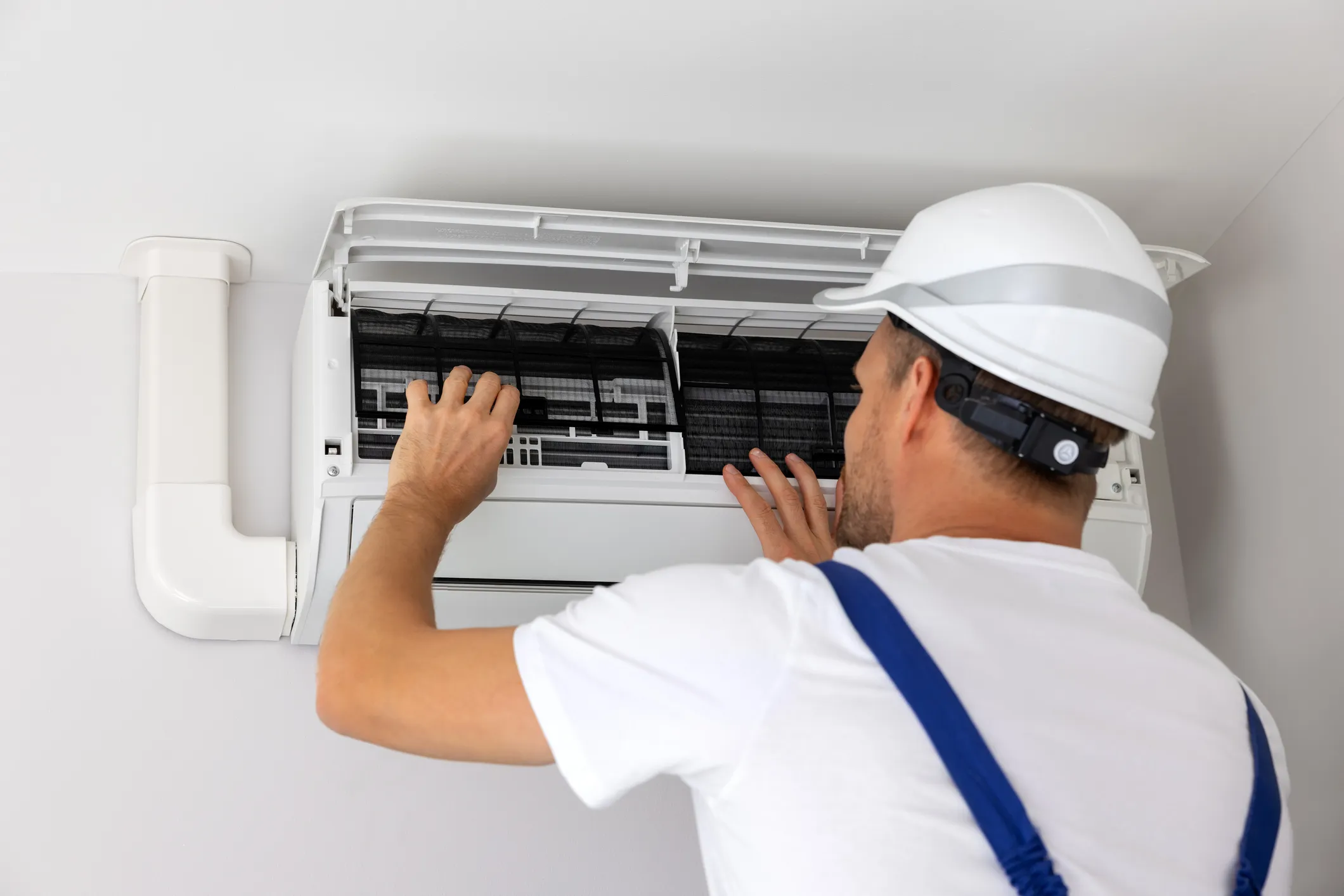
A professional installation involves much more than swapping one metal box for another. The process begins with a comprehensive evaluation to ensure the new equipment meets current Department of Energy standards and the specific demands of your property. Homeowners should expect a transparent timeline and a detailed scope of work before any physical labor begins.
- Load Calculation and Sizing: Technicians perform a Manual J load calculation. This determines the exact heating and cooling requirements of the home based on square footage, insulation levels, window orientation, and local climate data. Guessing the size often leads to "short cycling," where a unit turns on and off too frequently, reducing its lifespan.
- Ductwork Inspection: Existing ductwork is examined for leaks, damage, or design flaws. Even the most efficient furnace or air conditioner will underperform if the distribution system loses air to the attic or crawlspace. Sealing or modifying ducts is often a critical part of the installation scope.
- System Selection: You will review options for SEER2 (Seasonal Energy Efficiency Ratio) and HSPF2 (Heating Seasonal Performance Factor) ratings. Higher ratings indicate greater efficiency. This phase also includes selecting between heat pumps, traditional split systems, or gas furnaces based on fuel availability and preference.
- Site Preparation: The workspace is prepped to ensure safety and cleanliness. This includes laying down protective coverings for flooring and clearing a path to the installation site.
- Removal and Disposal: The safe disconnection and removal of the old unit are handled by the installation team. This includes capturing existing refrigerant to prevent environmental contamination, in compliance with EPA regulations.
Understanding Our HVAC Installation Process
The installation day is structured to maximize efficiency and minimize disruption to your household routine. The goal is to transition from an old, failing unit to a fully operational high-efficiency system within a single day in most residential scenarios. The process follows a strict protocol to ensure every connection is secure and every component functions as intended.
- Arrival and Setup: Technicians arrive with all necessary equipment, including the new unit, transition sheet metal, and safety gear. The main power to the HVAC system is shut off at the breaker panel to ensure electrical safety.
- Refrigerant Recovery and disconnect: For AC replacements, certified technicians recover old refrigerant into approved cylinders. Gas lines, electrical wiring, and flue pipes are carefully disconnected from the old equipment.
- Equipment Positioning: The new air handler, furnace, or evaporator coil is positioned. In the case of outdoor condenser units, a new composite or concrete pad is often installed to ensure the unit sits level and is elevated off the ground to prevent debris accumulation or water damage.
- Fabrication and Connection: Custom sheet metal plenums are often fabricated on-site or in the shop to connect the new unit to the existing ductwork effectively. This airtight seal is vital for system pressure and efficiency.
- Brazing and Vacuum: Refrigerant lines are brazed (soldered) together. A vacuum pump is then used to remove all moisture and air from the lines before the new refrigerant is released. This step prevents corrosion and ensures the compressor runs smoothly.
- Electrical and Drainage: High-voltage wiring is connected to the disconnect box, and low-voltage control wiring is run to the thermostat. Condensate drain lines are installed to route moisture away from the equipment and the home’s foundation.
- Start-Up and Commissioning: The system is powered on and tested. Technicians measure static pressure, temperature rise/drop, and airflow to verify the system is operating within manufacturer specifications.
- User Walkthrough: The final step involves showing the homeowner how to operate the new thermostat, where to change the filter, and explaining basic maintenance requirements.
Repair or Replace? Making the Right Choice for Your Home
Deciding between repairing an aging unit or investing in a new installation is a common dilemma for homeowners in Martinez. While repairs can offer a short-term fix, there is a tipping point where pouring money into an old system becomes economically unwise. Evaluating the condition of your current HVAC setup against clear criteria helps remove the emotion from the decision.
- The 50% Rule: If the cost of the repair approaches 50% of the value of a new system, replacement is generally the better financial option. A major component failure, such as a blown compressor or a cracked heat exchanger, often signals the end of the unit's useful life.
- System Age: The average lifespan of an air conditioner or heat pump is 10 to 15 years, while furnaces may last 15 to 20 years. If your equipment is nearing or past this age range, efficiency has likely degraded significantly. Newer models are far more energy-efficient, meaning a replacement could largely pay for itself over time through utility savings.
- Frequency of Breakdowns: "Nickel and diming" is a sign of systemic failure. If you have required multiple service calls in the last two years, the system is becoming unreliable. Reliance on emergency repairs during a summer heatwave or a winter storm is a risk that replacement eliminates.
- Comfort Issues: If some rooms are freezing while others are roasting, or if the system runs continuously without reaching the set temperature, the unit may be undersized or the compressor may be failing. A new installation corrects these comfort imbalances through proper sizing and modern technology like variable-speed blowers.
- Rising Energy Bills: A steady increase in heating and cooling costs, despite usage remaining the same, indicates the system is losing efficiency. Replacing an old 10 SEER unit with a modern 16+ SEER system can result in immediate and noticeable reductions in monthly energy expenses.
Martinez-Specific HVAC Considerations: Permits and Seasons
Operating in Contra Costa County requires adherence to specific building codes and environmental regulations. When Jims Air Systems manages an installation, all local protocols are strictly followed to ensure compliance and safety.
- Permitting Requirements: The City of Martinez and Contra Costa County require building permits for HVAC installations. This oversight ensures that the electrical connections are safe, gas lines are secure, and the installation meets California’s Title 24 energy standards. An unpermitted installation can complicate future home sales and may void manufacturer warranties.
- Title 24 Compliance: California has some of the strictest energy codes in the nation. This includes requirements for duct sealing verification and refrigerant charge testing. Compliance documentation must be submitted to the local building department. Professional installers handle this paperwork and testing as part of the turnkey service.
- Utility Rebates and Incentives: Local utility providers, such as PG&E, often offer rebates for upgrading to high-efficiency heat pumps or smart thermostats. Additionally, federal tax credits via the Inflation Reduction Act may be available for qualifying equipment. Navigating these incentives requires up-to-date knowledge of current programs.
- Seasonality and Scheduling: The best time to schedule an installation is during the "shoulder seasons"—spring and fall. Waiting until the first 100-degree day of July often means competing for appointment slots during peak demand. Proactive replacement ensures your home is prepared before the extreme weather arrives.
Why Choose Us: Local Expertise & Proven Results
Selecting the right contractor is as important as selecting the right brand of equipment. The longevity and efficiency of your heating and cooling system are directly tied to the quality of the installation. A unit that is arguably the "best" on the market will fail prematurely if the brazing is poor, the charge is incorrect, or the ductwork is ignored.
- Technical Precision: Technicians undergo continuous training to stay current with the latest HVAC technologies, including variable refrigerant flow (VRF) systems and communicating thermostats. Technical excellence ensures that the system performs at its rated efficiency from day one.
- Holistic Home Approach: The focus is on the entire home envelope, not just the mechanical box. Understanding how insulation, windows, and ductwork interact allows for solutions that solve root causes of discomfort rather than just treating symptoms.
- Transparency and Communication: Clear communication regarding project scope, timelines, and equipment capabilities allows homeowners to make informed decisions without pressure. There are no hidden fees or surprise charges once the work begins.
- Post-Installation Support: The relationship does not end when the truck drives away. Support includes guidance on maintenance schedules, warranty registration, and availability for future seasonal tune-ups to keep the system running smoothly.
Comfort You Can Feel, Efficiency You Can Trust: Start Your Project Today
Investing in a high-quality HVAC installation transforms the way you experience your home. It provides refuge from the heat, warmth during the rains, and filtered air for better health. Secure your home’s comfort today by scheduling a professional assessment.
Ready to upgrade your home comfort? Contact us now to start your project.

Your Trusted Local AC Experts
When the summer heat hits, you need an air conditioning system you can rely on. At Jim's Air Systems, we specialize in keeping your home cool and comfortable. Whether you need an emergency repair, a seasonal tune-up, or a brand new high-efficiency air conditioner, our family is here to help.
Our Air Conditioning Services include

AC Repair
We service all makes and models, quickly diagnosing and fixing any issue.
AC Installation & Replacement
Get a perfectly sized, high-efficiency system with our owner-led design and installation process.
AC Maintenance
Prevent breakdowns and improve efficiency with our comprehensive AC tune-ups.
Signs You Needs AC Service
.svg)

Frequently Asked Questions

We recommend having your air conditioning system professionally serviced once a year, ideally in the spring, to ensure it's ready for the summer heat.
Yes! Jim’s Air Systems is a family-owned and operated business. We take pride in delivering honest, reliable service and treating our customers like family, with a strong focus on quality workmanship and long-term relationships.
A trained, licensed HVAC professional from Jim’s Air Systems will visit your home for the estimate. Our technician will assess your needs, answer your questions, and provide a clear, upfront estimate with no pressure or hidden fees.
Ready for a Cooler, More Comfortable Home?
Whether you need an emergency repair or a free estimate on a new, energy-efficient air conditioner, our family is ready to provide honest advice and expert service. Contact us today!