
Beat the Heat with Efficient Ductless Air Conditioning
Struggling with the summer heat in Orinda or dealing with inconsistent temperatures in specific rooms? Discover the quick, efficient remedy of ductless air conditioning installation, providing bespoke cooling without the complexity or expense of retrofitting ductwork. For immediate scheduling or to discuss financing options, contact us directly to begin your consultation. Jims Air Systems specializes in high-performance cooling solutions designed to meet the unique architectural and climatic needs of the East Bay.
- Rapid installation with minimal disruption to your home structure or daily routine.
- Cost-effective cooling solutions tailored to your specific zones, eliminating energy waste.
- Increased energy efficiency leading to lower utility bills and improved environmental footprint.
All installations are fully permitted, warrantied, and available with flexible financing options to ensure your home comfort investment is protected.
Why Choose Ductless Air Conditioning?
Homeowners in California often face unique challenges when trying to cool older properties or modern additions. Traditional central air requires invasive ductwork that takes up valuable attic or crawlspace real estate and often leads to energy loss through leaks and poor insulation. A ductless mini-split system solves these architectural headaches by connecting an outdoor compressor directly to indoor air-handling units via small refrigerant lines. This bypasses the need for bulky ducts entirely.
The primary advantage for local residents lies in "zoning." Unlike a central system that blasts cold air into every room—regardless of occupancy—a ductless setup allows you to control the temperature in individual spaces. If you are working from a home office while the rest of the house is empty, you only cool that specific room. This targeted approach is ideal for the Mediterranean climate here, where summer highs reach the 90s, but evenings cool down significantly. You gain the ability to manage your comfort on a room-by-room basis, resulting in significant operational savings.
Furthermore, air quality often sees a measurable improvement with ductless installation. Traditional ducts accumulate dust, pollen, and allergens over years of use, circulating them throughout the home whenever the system kicks on. Because ductless units use multi-stage filtration at the source of delivery, they drastically reduce the circulation of airborne particulates. This makes them a superior choice for households with allergy sufferers or those sensitive to the wildfire smoke that occasionally impacts the region.
What to Expect: Service Scope and Timelines
When you commission a ductless installation, the process is designed to be streamlined and transparent. The engagement begins with a load calculation. This is not a guess; it is a precise engineering calculation based on the square footage of the room, ceiling height, insulation quality, window orientation, and local weather patterns. Ensuring the unit is correctly sized is critical—an oversized unit will short-cycle and leave the room humid, while an undersized unit will run constantly without achieving the desired temperature.
The scope of work generally includes:
- Assessment of the best mounting locations for indoor heads (wall, floor, or ceiling cassette).
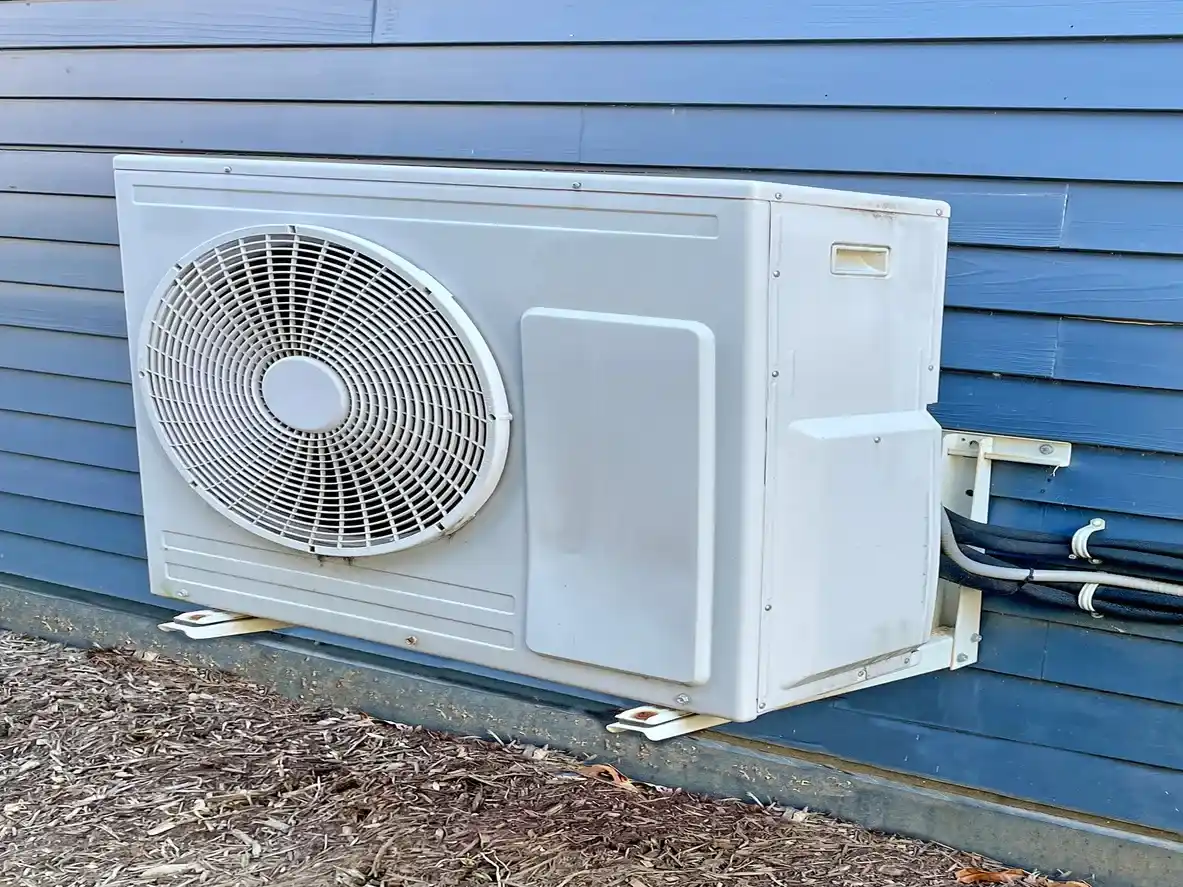
- Selection of the outdoor compressor site to ensure airflow and minimize noise.
- Installation of all necessary refrigerant lines, drainage piping, and communication wires.
- Electrical circuit integration to power the new equipment.
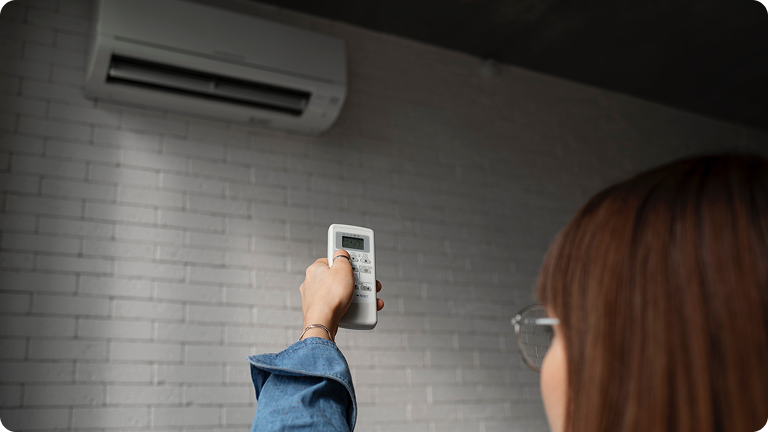
- Complete system start-up, testing, and user training on the control interface.
Regarding timelines, ductless systems offer a distinct speed advantage over central air retrofits. While a central system installation might disrupt a home for a week or more involving drywall cutting and framing, a standard multi-zone ductless installation is typically completed in one to two days. Single-zone units can often be installed in a matter of hours. The goal is to leave your home cleaner than it was found, with a fully operational cooling system ready to handle the afternoon heat spike.
Installation Process: Step-by-Step Guide
A professional installation follows a rigorous protocol to ensure longevity and efficiency. While the concept is simple, the execution requires specialized tools and handling of high-pressure refrigerants.
- The process begins with mounting the indoor unit backplate. This plate must be perfectly level and secured to studs or appropriate anchors to support the weight of the unit and prevent vibration noise.
- Next, a technician drills a small, three-inch hole through the exterior wall. This is the only structural penetration required. Through this passage, the line set (copper tubing), condensate drain, and power cables are bundled and fed to the outside.
- Once the bundle is passed through, the indoor unit is mounted securely onto the backplate. The technician ensures the unit is seated correctly to allow for proper drainage of condensate water, preventing internal leaks.
- Outside, the technician installs the condenser unit. This is placed on a composite pad or mounted to the side of the house using brackets. The location is chosen to allow for adequate airflow and to comply with local noise ordinances and setbacks.
- The refrigerant lines are then flared and connected. This is a critical step; a poor flare connection is the most common cause of refrigerant leaks. A torque wrench is used to tighten connections to the manufacturer’s exact specifications.
- Following the connection, the system undergoes a pressure test. Nitrogen is pumped into the lines at high pressure to ensure the system is sealed tight.
- After passing the pressure test, a vacuum pump removes all air and moisture from the lines. Moisture inside a refrigerant system can freeze or cause acid buildup, damaging the compressor.
- Finally, the refrigerant is released into the system, and the unit is powered on. The technician measures temperature differentials (delta T) to verify the system is cooling effectively before walking you through the remote control or thermostat functions.
Ductless Installation vs. Traditional Systems: A Comparison
Deciding between repairing an existing central system, replacing it, or switching to ductless requires analyzing your home’s specific layout and your long-term goals. Ductless is not just a replacement; it is an upgrade in how you manage your environment.
When to choose Ductless Installation:
- Additions and Remodels: If you have added a sunroom, garage conversion, or ADU (Accessory Dwelling Unit) in Orinda, extending existing ductwork is often cost-prohibitive or physically impossible. Ductless provides an independent climate zone for these spaces.
- Older Homes: many mid-century homes in the area were built with heating only (floor furnaces or radiant heat) and lack the space for ductwork. Ductless adds cooling without requiring bulkheads or dropped ceilings.
- Empty Nesters: If you live in a large home but only occupy the bedroom and kitchen/living area, cooling the entire house is wasteful. Ductless allows you to condition only the spaces you use.
- Server Rooms or Home Gyms: Specific rooms often have heat loads that differ vastly from the rest of the house. A dedicated ductless unit handles this extra load without freezing out the rest of the home.
When to stick with Central Air:
- Whole-Home Replacement: If your home already has well-insulated, sized-correctly ductwork and you prefer a single thermostat to control the entire house uniformly, a high-efficiency central AC or heat pump replacement may be lower in upfront cost compared to installing a ductless head in every single room.
- Aesthetic Preferences: While modern ductless units are sleek, some homeowners prefer the invisibility of floor or ceiling vents associated with central systems. However, ducted mini-split options (slim ducts) now exist to bridge this gap.
Local Guidelines and Seasonal Considerations for Orinda
Operating in the East Bay requires adherence to specific local building codes and an understanding of the microclimate. The City of Orinda requires permits for mechanical installations, including HVAC systems. This ensures that the electrical circuits can handle the load and that the outdoor unit placement complies with noise and property line setbacks. Unpermitted work can complicate future home sales and may void manufacturer warranties.
From a seasonal perspective, the region experiences wet winters and hot, dry summers.
- Heating Capability: Modern ductless systems are heat pumps, meaning they can reverse their operation to provide heating in the winter. With lows dipping into the upper 30s°F, it is vital to select a unit with a high HSPF (Heating Seasonal Performance Factor) that can maintain efficiency even in chilly weather. This allows the system to serve as a primary heat source or a supplement to a gas furnace.
- Summer Loads: The summer sun in the valleys can be intense. The "Manual J" load calculation must account for the lack of shade or large west-facing windows common in local architecture. Undersizing a unit because the morning feels cool will lead to discomfort when the afternoon temperature spikes.
- Electrical Requirements: Many older homes in the area may have 100-amp electrical panels that are near capacity. Part of the installation assessment involves determining if your current panel can support the new heat pump or if a sub-panel or service upgrade is necessary.
- Rebates and Incentives: Local utility providers and regional energy networks frequently offer rebates for switching to electric heat pump systems. These incentives focus on decarbonization and energy efficiency. Verifying eligibility for these programs is a standard part of the planning process.
Certified Excellence: Our Qualifications
Selecting the right contractor is as important as selecting the right equipment brand. The technology inside a ductless system—variable speed inverters and complex control boards—requires specialized training to install and service. General handymen or uncertified installers often skip critical steps like the nitrogen pressure test or proper vacuuming, leading to premature compressor failure.
Jims Air Systems employs technicians who are rigorously trained on specific manufacturer protocols. Technical proficiency ensures that the delicate electronic components are handled correctly and that refrigerant charges are weighed in with digital precision. We prioritize safety protocols, ensuring that all electrical connections meet the National Electric Code (NEC) and that high-voltage wiring is properly shielded and grounded.
Furthermore, we understand the local housing stock. Whether it is navigating a steep hillside property for compressor placement or fishing lines through the lathe-and-plaster walls of a vintage home, experience matters. We focus on "measure twice, cut once" to protect the integrity of your home’s envelope. By utilizing high-quality line set covers and mounting hardware, the exterior finish is kept neat and professional, preserving your home's curb appeal.
A properly installed system provides more than just cold air; it provides peace of mind. We stand behind our craftsmanship with robust labor warranties that complement the manufacturer's equipment coverage. When the installation is complete, you are left with a quiet, efficient system ready to handle whatever the weather brings.
Call Now
Take control of your home’s climate today. Stop relying on noisy window units or inefficient fans. Upgrade to a solution that offers precise temperature control, improved air quality, and significant energy savings. Contact us now to schedule your site assessment and receive a comprehensive quote for your ductless installation.

Your Trusted Local AC Experts
When the summer heat hits, you need an air conditioning system you can rely on. At Jim's Air Systems, we specialize in keeping your home cool and comfortable. Whether you need an emergency repair, a seasonal tune-up, or a brand new high-efficiency air conditioner, our family is here to help.
Our Air Conditioning Services include

AC Repair
We service all makes and models, quickly diagnosing and fixing any issue.
AC Installation & Replacement
Get a perfectly sized, high-efficiency system with our owner-led design and installation process.
AC Maintenance
Prevent breakdowns and improve efficiency with our comprehensive AC tune-ups.
Signs You Needs AC Service
.svg)
Ready for a Cooler, More Comfortable Home?
Whether you need an emergency repair or a free estimate on a new, energy-efficient air conditioner, our family is ready to provide honest advice and expert service. Contact us today!