
Is Your Current HVAC Setup Failing to Meet Your Needs?
Is your current HVAC setup failing to keep up with Orinda's varied climate, leaving you uncomfortable during the hot dry summers or the wet, chilly winters? Experience the comfort of a modern, energy-efficient system tailored to your home's needs by contacting our team today to schedule an assessment or verify financing eligibility.
When a heating and cooling system begins to falter, homeowners often face inconsistent temperatures, rising humidity levels indoors, and skyrocketing utility bills. Jims Air Systems specializes in resolving these comfort gaps through precision installation services. We ensure your home is equipped to handle the specific thermal demands of the local environment.
- Rapid installation times are prioritized to restore your home's comfort, with same-day service availability for urgent replacements.
- Systems are engineered and selected to maximize energy efficiency, significantly reducing monthly operational costs.
- You receive comprehensive warranties and expert post-installation support to protect your investment for years to come.
All installations are fully compliant with local regulations and come with robust warranties and flexible financing options.
What You Get With a Modern Installation
Investing in a new HVAC system is not merely about replacing a box outside your home; it is about upgrading the entire climate control infrastructure of your property. Older units often struggle to maintain a balance between temperature and humidity, leading to "clammy" feelings in the winter or stuffy rooms in the summer. A modern installation provides immediate, tangible changes to your indoor environment.
The primary benefit is consistent airflow and temperature regulation. Modern systems utilize variable-speed motors and two-stage compression technology. Unlike older single-stage systems that blast air at full capacity and then shut off, these advanced units run at lower speeds for longer periods. This continuous circulation eliminates hot and cold spots, ensuring that a bedroom on the second floor is just as comfortable as the living room on the ground floor.
Energy efficiency is another immediate deliverable. New systems are built to meet higher SEER (Seasonal Energy Efficiency Ratio) and HSPF (Heating Seasonal Performance Factor) standards. By transitioning from an older unit to a high-efficiency model, the reduction in energy consumption is often visible on the very first utility bill. This efficiency does not come at the cost of performance; rather, it allows the system to do more work with less energy, reducing the strain on the electrical grid and your wallet.
Furthermore, modern installations integrate seamlessly with smart home technology. New thermostats allow for precise scheduling, remote access, and zoning capabilities. This means you stop paying to heat or cool empty rooms and can adjust the temperature of your home from your smartphone before you even leave work. The result is a system that works around your lifestyle, rather than forcing you to adapt to its limitations.
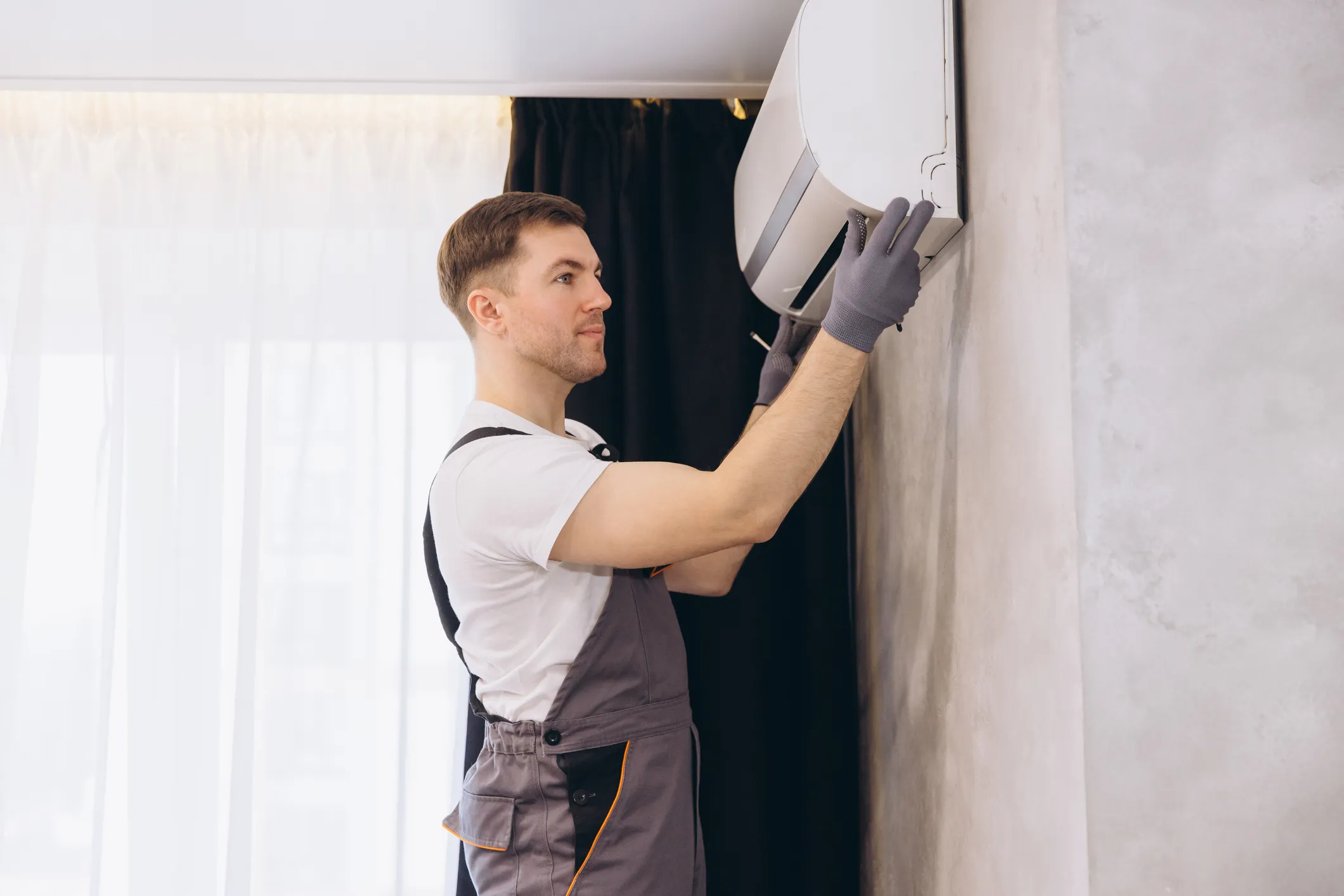
How the Installation Process Works
A professional HVAC installation is a rigorous process involving calculation, preparation, and precision execution. It moves beyond simple "swapping out" of units to ensure the new equipment is perfectly matched to the home's ductwork and thermal properties.
Load Calculation and Sizing
The process begins with a Manual J load calculation. Technicians measure the square footage, window placement, insulation levels, and orientation of the home. This data determines exactly how much heating and cooling power is required. An oversized unit will short-cycle, wearing out parts prematurely, while an undersized unit will run constantly without reaching the desired temperature. Accurate sizing is the foundation of a successful install.
Site Preparation and Protection
Before any equipment is moved, the workspace is prepared. Technicians lay down drop cloths and protective coverings to ensure flooring and furniture remain pristine. Safety checks are conducted on existing gas lines, electrical connections, and refrigerant lines to ensure they meet current building codes.
Removal of Existing Equipment
The old unit is disconnected and removed. This involves reclaiming any remaining refrigerant in accordance with environmental regulations to prevent atmospheric venting. The disposal of the old unit is handled by the installation team, ensuring you are not left with heavy scrap metal on your property.
Ductwork and Air Quality Inspection
Once the old unit is out, the accessible ductwork is inspected. Leaks or disconnects in the ducting can undermine the efficiency of the new system. Technicians seal minor leaks and assess whether the return air drop is sufficient for the new unit’s airflow requirements. This step is critical for maintaining proper static pressure within the system.
System Installation and Connection
The new indoor (evaporator coil and furnace/air handler) and outdoor (condenser) units are positioned. In Orinda, where terrain can be uneven, ensuring the outdoor unit is perfectly level is vital for the longevity of the compressor. Refrigerant lines are brazed, electrical wiring is connected, and the condensate drain line is installed to prevent water damage.
Testing, Charging, and Calibration
After physical installation, the system is pressure-tested with nitrogen to check for leaks. Once cleared, a vacuum is pulled to remove moisture from the lines before the refrigerant is added. The system is then fired up, and technicians calibrate the airflow, check the temperature split (the difference between supply and return air), and verify all safety controls are functioning.
Final Walkthrough
The installation concludes with a demonstration. You are shown how to operate the new thermostat, how to change filters, and what maintenance schedule is required to keep the warranty valid.
When Replacement Beats Repair
Deciding between repairing an aging unit or investing in a new installation is a common dilemma. While repairs may seem cheaper upfront, they can be financially draining over time if the underlying system is nearing the end of its lifecycle. There are specific benchmarks that indicate replacement is the more prudent financial decision.
The 50% Rule
If the cost of a necessary repair approaches 50% of the value of the system (or the cost of a new unit), replacement is generally the better option. Spending heavily to patch a dying system often results in throwing good money after bad, as other components are likely to fail soon after.
Age of the Equipment
Most heat pumps and air conditioners have a lifespan of 10 to 15 years, while furnaces can last 15 to 20 years. If your equipment is within or past this age range, it has likely lost significant efficiency. Even if it runs, it is costing more to operate than a modern equivalent. When a major component like a compressor or heat exchanger fails in an older unit, replacement is almost always recommended over repair.
Frequency of Breakdowns
If you find yourself calling for service multiple times a year, the system has become unreliable. The cumulative cost of service calls, parts, and labor, combined with the inconvenience of unexpected failures, justifies the investment in a new, reliable system.
Comfort Issues and Noise
As systems age, they often become louder and less effective at dehumidifying. If your home feels humid in the summer despite the AC running, or if the furnace rattles and bangs during operation, these are signs of internal wear that repair cannot fully resolve. Replacement restores quiet operation and superior humidity control.
Navigating Local Climate and Requirements
Operating HVAC equipment in the local area requires specific considerations regarding climate patterns and municipal regulations. Orinda features a Mediterranean climate characterized by warm, dry summers and mild, wet winters. This variation places distinct stresses on heating and cooling equipment that must be accounted for during installation.
Climate-Specific Hardware Selection
The summers here can see temperatures spike into the 90s, demanding an air conditioner with a robust cooling capacity. Conversely, the winters, while rarely freezing, are wet and damp. This moisture can lead to rapid corrosion of outdoor units if they are not specifically designed to withstand the elements. Heat pumps are an increasingly popular choice in this region, as they provide efficient cooling in summer and capable heating during the mild winters without the need for gas combustion.
Permitting and Code Compliance
California has some of the strictest building energy efficiency standards in the country, known as Title 24. Any HVAC alteration or replacement typically requires a permit. This process ensures that the installation meets safety standards for electrical and gas connections and complies with energy efficiency mandates. Professional installers handle the acquisition of these permits and schedule the required city inspections, relieving the homeowner of bureaucratic burdens.
Duct Sealing and HERS Testing
Part of local compliance often involves HERS (Home Energy Rating System) testing. This third-party verification ensures that the ductwork is sealed properly and that the system is not leaking conditioned air into attics or crawlspaces. In older homes, duct leakage is a major source of energy waste. A compliant installation addresses this, ensuring you get the efficiency you paid for.
Utility Rebates and Incentives
Programs like Energy Upgrade California often offer rebates for homeowners who install high-efficiency heat pumps or central air systems. Furthermore, local utility providers may offer incentives for upgrading to smart thermostats or energy-efficient furnaces. Navigating these rebates requires documentation and certified equipment, which professional installers provide as part of the service package.
Why Professional Installation Matters
The performance of a heating and cooling system is more dependent on the quality of the installation than the brand of the equipment. The most expensive, top-tier unit will perform poorly and fail prematurely if it is installed incorrectly. Professional installation ensures that the complex physics of thermodynamics and fluid dynamics are respected.
Improper refrigerant charging is a frequent issue with amateur installs. If a system is undercharged or overcharged by even 10%, efficiency can drop significantly, and the compressor can overheat. Certified technicians use digital gauges and temperature clamps to dial in the refrigerant charge to the manufacturer's exact specifications.
Safety is paramount, particularly with gas furnaces. Incorrect venting can lead to carbon monoxide entering the living space, a silent and deadly hazard. Professional installers ensure that flue pipes are sized correctly, pitched properly for drainage, and terminated safely outside the home. Electrical connections are also a critical safety point; loose or undersized wiring can cause fires or destroy sensitive electronic control boards.
Finally, manufacturer warranties are almost always contingent on proof of professional installation. If a component fails three years down the line, the manufacturer will require evidence that the system was installed and maintained by a licensed contractor. Without this, the homeowner is liable for the full cost of the replacement part. Jims Air Systems ensures that every step of the process is documented and compliant, safeguarding your warranty coverage.
Secure Your Home Comfort Today
A failing HVAC system compromises your comfort, health, and budget. Whether you are dealing with a breakdown in the middle of a heatwave or proactively upgrading an aging furnace before winter sets in, the quality of the installation determines the future performance of the unit. Do not let inefficient equipment drain your finances or leave your home vulnerable to the weather.
Take control of your indoor climate with a system designed for longevity and efficiency. Contact us now to schedule your comprehensive evaluation and take the first step toward a perfectly conditioned home.

Your Trusted Local AC Experts
When the summer heat hits, you need an air conditioning system you can rely on. At Jim's Air Systems, we specialize in keeping your home cool and comfortable. Whether you need an emergency repair, a seasonal tune-up, or a brand new high-efficiency air conditioner, our family is here to help.
Our Air Conditioning Services include

AC Repair
We service all makes and models, quickly diagnosing and fixing any issue.
AC Installation & Replacement
Get a perfectly sized, high-efficiency system with our owner-led design and installation process.
AC Maintenance
Prevent breakdowns and improve efficiency with our comprehensive AC tune-ups.
Signs You Needs AC Service
.svg)

Frequently Asked Questions

We recommend having your air conditioning system professionally serviced once a year, ideally in the spring, to ensure it's ready for the summer heat.
Yes! Jim’s Air Systems is a family-owned and operated business. We take pride in delivering honest, reliable service and treating our customers like family, with a strong focus on quality workmanship and long-term relationships.
A trained, licensed HVAC professional from Jim’s Air Systems will visit your home for the estimate. Our technician will assess your needs, answer your questions, and provide a clear, upfront estimate with no pressure or hidden fees.
Ready for a Cooler, More Comfortable Home?
Whether you need an emergency repair or a free estimate on a new, energy-efficient air conditioner, our family is ready to provide honest advice and expert service. Contact us today!