
Experiencing Heating Troubles? Immediate Help Available
When your heating system fails, the discomfort can be overwhelming, especially during Fremont’s cold, rainy winter months. A malfunctioning furnace or heat pump disrupts your daily routine and can compromise the safety of your home, requiring immediate, professional intervention to restore warmth. Contact Jims Air Systems for same-day service or to discuss financing options.
- Rapid response times with same-day service availability to address urgent breakdowns.
- Comprehensive diagnostic evaluations and repairs performed by certified, experienced technicians.
- Transparent, upfront pricing models that ensure you never face hidden fees or surprise costs.
- All services are fully licensed, backed by extended warranties, and supported by flexible financing options.
Comprehensive Diagnostic and Repair Scope
Restoring a heating system requires more than a quick patch; it demands a thorough analysis of the entire HVAC ecosystem. When a technician arrives at your property, the objective is to identify the root cause of the failure rather than treating symptoms. Modern heating systems are complex integrations of electrical, mechanical, and gas components. A failure in one area, such as a clogged filter or a faulty limit switch, can trigger system-wide shutdowns to prevent safety hazards.
Professional service includes a detailed inspection of the ignition system, blower motor, heat exchanger, and thermostat calibration. For gas furnaces, ensuring proper combustion and venting is critical to prevent carbon monoxide leaks. For heat pumps, verifying refrigerant levels and reversing valve operation is essential. The service scope covers everything from minor electrical adjustments to major component replacements. Most standard repairs, such as replacing flame sensors, ignitors, or capacitors, are completed on the spot because service vehicles are stocked with common parts.
Beyond the immediate repair, the service includes a safety audit of the unit. This involves checking gas pressure, testing safety switches, and inspecting the flue pipe for obstructions. In Fremont, where humidity levels can rise significantly during the winter, technicians also check for rust or corrosion on the burners and within the cabinet, which can shorten the lifespan of the unit if left unaddressed. The goal is to leave the system running at peak efficiency, ensuring it can handle the heating load required for the remainder of the season.
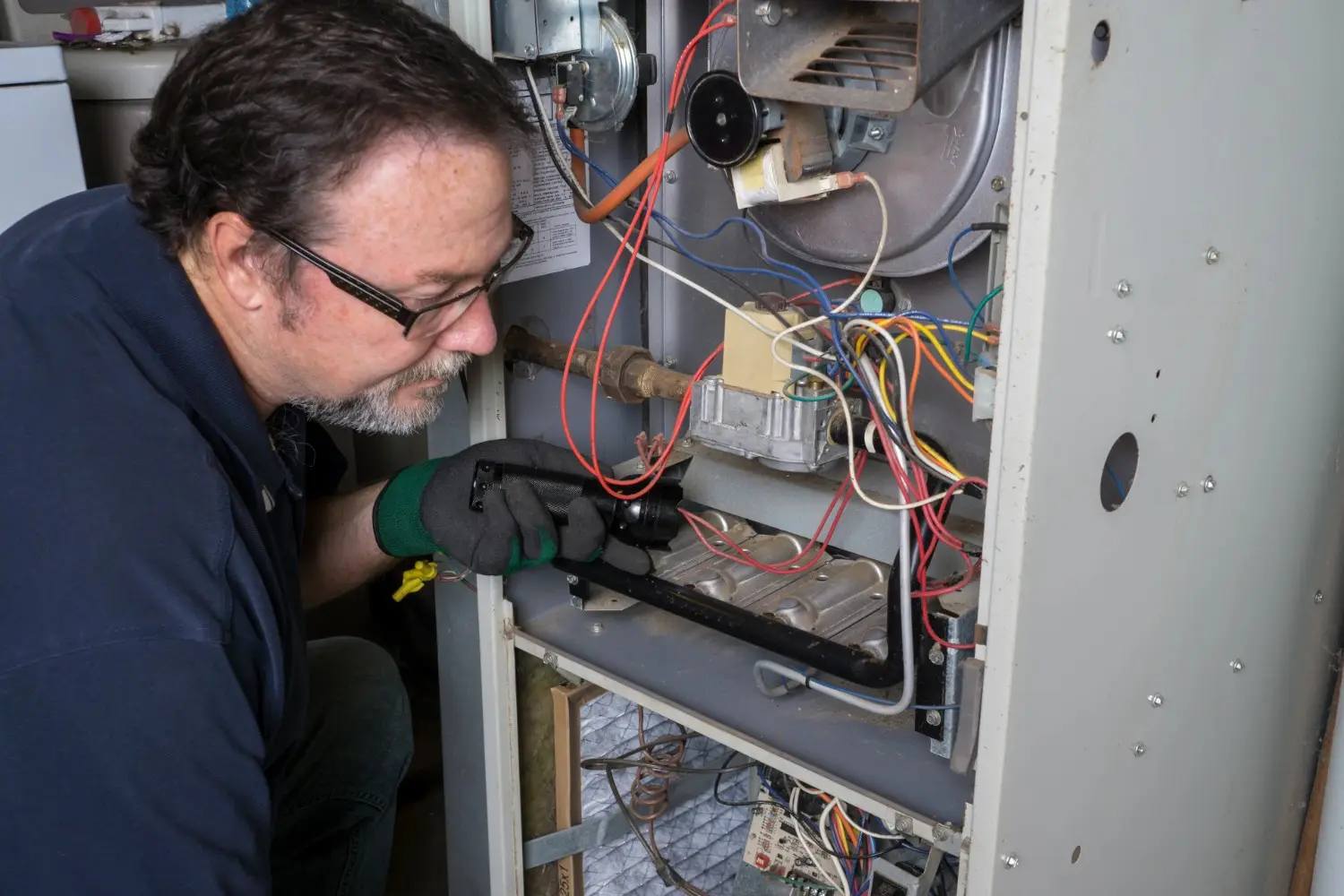
The Heating Restoration and Installation Workflow
Understanding the service process eliminates uncertainty. Professional heating restoration follows a systematic approach designed to minimize downtime and ensure accuracy. This workflow applies whether you are dealing with an emergency repair or a scheduled system replacement.
- Initial Assessment: The process begins with a technician listening to the specific issues you have noticed, such as strange noises, uneven heating, or rapid cycling.
- System Diagnostics: Using advanced diagnostic tools, the technician tests electrical voltage, amperage draws, gas pressure, and airflow to isolate the malfunction.
- Quote and Explanation: You receive a detailed report of the findings and a flat-rate quote for the repair. The technician explains exactly what is wrong and what is needed to fix it, allowing you to make an informed decision.
- Execution of Work: Upon approval, the repair or installation begins immediately. Technicians protect your home with drop cloths and shoe covers while working on the unit.
- System Testing: After the repair or installation is complete, the system is cycled through its operations. This verifies that the thermostat communicates correctly, the burners ignite smoothly, and the blower moves air efficiently.
- Final Walkthrough: The technician reviews the work with you, explains any warranty details, and provides maintenance tips to prevent future issues.
Deciding Between Repair and System Replacement
Homeowners frequently face the dilemma of whether to invest in repairs for an aging unit or to replace the system entirely. This decision should rely on data and financial logic rather than guesswork. While Jims Air Systems focuses on extending the life of your current equipment whenever possible, there are specific mathematical and safety thresholds where replacement becomes the more prudent financial choice.
The 50% Rule and Age Factor
Industry standards suggest that if the cost of a repair approaches 50% of the value of a new system, replacement is the better investment. This is particularly true if the furnace or heat pump is over 15 years old. Heating technology has advanced significantly in the last decade. A furnace manufactured 15 years ago likely has an Annual Fuel Utilization Efficiency (AFUE) rating of 80% or lower. Modern units often exceed 96% AFUE. Continuing to repair an inefficient unit results in higher monthly utility bills that could otherwise go toward the cost of a new, high-efficiency system.
Safety and Heat Exchanger Integrity
The most critical component in a gas furnace is the heat exchanger. This metal chamber contains the combustion process and separates the toxic flue gases from the air circulating in your home. Over time, the constant expansion and contraction caused by heating cycles can cause the metal to crack. A cracked heat exchanger is a non-negotiable safety hazard that can leak carbon monoxide into the living space. In this scenario, repair is rarely an option; the heat exchanger must be replaced, which is labor-intensive and costly, or the entire furnace must be swapped out.
Frequency of Breakdowns
If you have required multiple repairs in the last two years, the system has likely reached the end of its reliability curve. "Nickel and diming" a failing system often costs more in the long run than a planned replacement. Furthermore, as R-22 refrigerant is phased out, older heat pumps that rely on this chemical become incredibly expensive to service if a leak occurs. Upgrading to a system that uses R-410A or newer refrigerants ensures future serviceability and compliance with environmental regulations.
Local Considerations for Fremont Homeowners
Operating a heating system in Fremont presents specific challenges and requirements driven by the local climate and regulatory environment. While the region enjoys a Mediterranean climate, the winter months from November to March bring significant rainfall and damp cold. This moisture can be detrimental to heating systems located in unconditioned spaces like attics or crawlspaces, accelerating corrosion on electrical contacts and metal cabinets.
Permitting and Code Compliance
Any significant alteration to a heating system, particularly a furnace replacement, requires adherence to local building codes. In Fremont, permits are necessary to ensure the installation meets safety standards regarding gas line sizing, electrical grounding, and venting clearances. Professional providers handle the permitting process on your behalf, scheduling the required city inspections to close out the project. This ensures that your home insurance remains valid and that you encounter no issues if you decide to sell the property in the future.
Ductwork and Insulation
The varied topography of the area, from the hills to the bay, creates microclimates that impact heating loads. Homes in higher elevations may experience colder overnight temperatures requiring a more robust heating strategy. Additionally, many older homes in the region have uninsulated or leaky ductwork. A high-efficiency furnace cannot perform to its rating if the heated air is lost in the attic before it reaches the rooms. Assessing duct integrity is a standard part of the service to ensure the generated heat is actually delivered to the living space.
Utility Rebates and Incentives
Local utility providers, such as PG&E, often offer rebates for upgrading to high-efficiency equipment. These programs change annually and have specific qualification criteria regarding the AFUE rating of furnaces or the SEER/HSPF ratings of heat pumps. Qualified contractors stay updated on these incentives to help you maximize available savings, effectively lowering the net cost of a new installation.
Technical Expertise and Airflow Dynamics
The difference between a functioning heater and an optimized heating system often comes down to airflow. Simply swapping a part might get the heat back on, but failing to address static pressure issues can lead to premature component failure. A blower motor working against high static pressure—caused by undersized ducts or restrictive filters—will overheat and burn out.
Technicians focus heavily on "temperature rise," which is the difference in temperature between the air entering the furnace and the air leaving it. Every furnace has a manufacturer-specified range for this metric. If the temperature rise is too high, the heat exchanger may overheat; if it is too low, condensation may form inside the unit, leading to rust. Adjusting the blower speed and gas pressure to keep the system within these specific parameters is a critical part of professional service that ensures longevity.
Furthermore, modern systems often utilize multi-stage or variable-speed technology. These systems do not simply turn on and off; they ramp up and down to match the heating demand of the home. Calibrating these systems requires specialized training to ensure the thermostat algorithms and the control board logic are synchronized. Proper calibration results in more consistent indoor temperatures, reduced noise levels, and significant energy savings.
Restore Your Comfort and Efficiency: Book Now
A reliable heating system is not a luxury; it is a necessity for a safe and comfortable home environment. Whether you are facing a complete system breakdown or a decline in performance, swift action minimizes disruption and protects your property from the effects of cold and dampness. By prioritizing technical accuracy, code compliance, and transparent communication, professional service ensures your heating infrastructure remains robust for years to come.
Don't wait for a minor issue to become a major failure. Secure your home’s comfort today. Click here to schedule your heating service or diagnostics immediately.
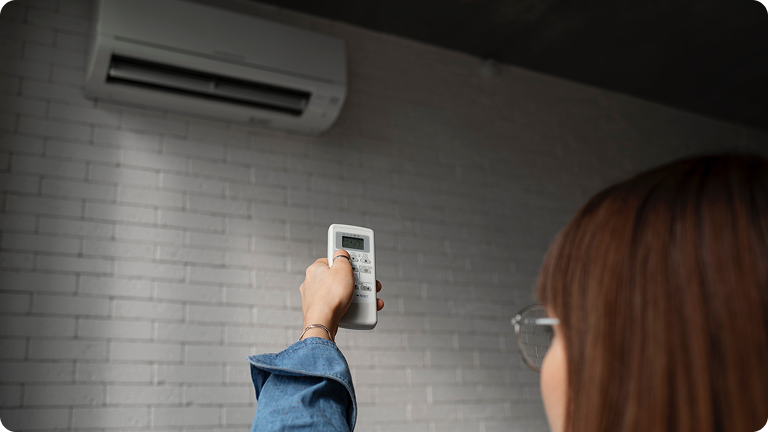

Your Trusted Local AC Experts
When the summer heat hits, you need an air conditioning system you can rely on. At Jim's Air Systems, we specialize in keeping your home cool and comfortable. Whether you need an emergency repair, a seasonal tune-up, or a brand new high-efficiency air conditioner, our family is here to help.
Our Air Conditioning Services include

AC Repair
We service all makes and models, quickly diagnosing and fixing any issue.
AC Installation & Replacement
Get a perfectly sized, high-efficiency system with our owner-led design and installation process.
AC Maintenance
Prevent breakdowns and improve efficiency with our comprehensive AC tune-ups.
Signs You Needs AC Service
.svg)
Ready for a Cooler, More Comfortable Home?
Whether you need an emergency repair or a free estimate on a new, energy-efficient air conditioner, our family is ready to provide honest advice and expert service. Contact us today!