Unreliable Heating or Cooling Interrupting Your Day?
Is your air conditioner just circulating warm air, or has your heater left you shivering during a damp winter night? In Union City, you can't afford to wait in discomfort when your climate control system fails. If you need immediate assistance or information on financing options, contact us today to schedule a diagnostic visit.
We understand that HVAC issues rarely happen at convenient times. Whether you are dealing with a sudden breakdown during a summer heatwave or a furnace that refuses to ignite, you need a solution that goes beyond a temporary patch. Our approach focuses on restoring safety and comfort to your home immediately.
- Same-day service ensures you are back to comfort promptly.
- Experienced, certified technicians diagnose and fix the root cause, not just the symptom.
- Transparent pricing with no hidden costs allows you to make informed decisions.
All repairs are fully compliant with local codes and backed by a satisfaction warranty to ensure your peace of mind.
What to Expect During Your Service Visit
When a technician arrives at your property, the primary goal is an accurate diagnosis followed by an effective repair. HVAC systems are complex networks of electrical, mechanical, and airflow components. A noise in the outdoor unit might actually be a symptom of a problem in the indoor blower, or a lack of cooling could be due to an electrical failure rather than a refrigerant leak.
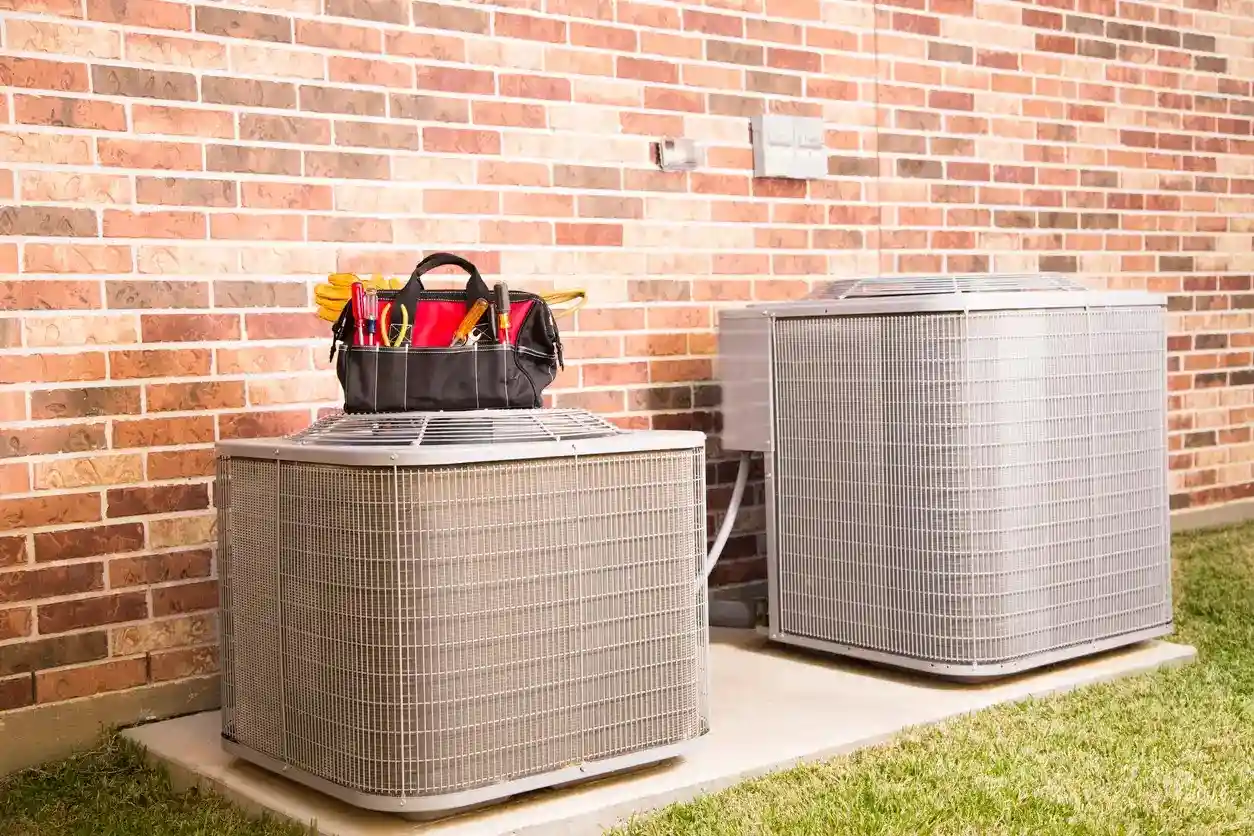
Upon arrival, the focus is on a comprehensive system evaluation. This involves testing the thermostat calibration to ensure it communicates correctly with the control board. Technicians check airflow static pressure to identify blockages in the ductwork or filtration system that may be strangling the equipment. Electrical components, such as capacitors, contactors, and relays, are tested for proper voltage and amperage draw.
The objective is to provide a clear explanation of exactly what failed and why. You receive a breakdown of the necessary repairs, the parts required, and the total cost before any work begins. Most service trucks are stocked with universal parts—such as motors, capacitors, and ignition modules—allowing many repairs to be completed during the initial visit. This minimizes downtime and eliminates the frustration of waiting days for a simple component to arrive.
Common HVAC Failure Points We Address
HVAC systems in the Bay Area face specific stressors due to the shift between wet, chilly winters and dry, hot summers. These fluctuations can accelerate wear and tear on specific components. Understanding these failure points helps homeowners recognize when professional intervention is necessary.
- Capacitor Failures: The run capacitor provides the torque necessary to start the compressor and fan motors. When these fail, you may hear a humming noise from the outdoor unit, but the fan will not spin. This is one of the most common reasons for a system to stop cooling.
- Refrigerant Leaks: Refrigerant is not a fuel; it is not consumed during operation. If levels are low, there is a leak. Low refrigerant causes ice to form on the evaporator coil, reduces cooling capacity, and can eventually damage the compressor due to overheating.
- Ignition Control Issues: For furnaces, the igniter or pilot light is crucial. Modern systems use hot surface igniters that can crack over time. If the furnace attempts to start but the burners never light, the ignition system is often the culprit.
- Clogged Condensate Drains: Air conditioners dehumidify your home while they cool. This moisture is drained away via a condensate line. If algae or debris clogs this line, water can back up, triggering a safety float switch that shuts down the system to prevent water damage to your floors or ceiling.
- Worn Contactor Relays: These electrical switches control the flow of power to the compressor and fan. Over time, the contact points can become pitted or fused, leading to a compressor that runs continuously or fails to start altogether.
- Thermostat Malfunctions: Sometimes the issue is not with the unit itself but with the brain of the system. A malfunctioning thermostat may fail to signal the equipment to cycle on, or it may read the temperature incorrectly, causing short cycling.
The Repair Process Workflow
Professional repair is a structured process designed to ensure safety and longevity. It is not enough to simply swap a part; the system must be tested to ensure the new part operates within manufacturer specifications.
- Initial Assessment: The technician listens to your description of the problem—strange noises, smells, or performance issues—and conducts a visual inspection of the equipment.
- System Diagnostics: Specialized tools, including multimeters, manometers, and refrigerant gauges, are used to isolate the fault. This step distinguishes between a failed component and a systemic issue.
- Presentation of Options: You receive a detailed report of findings. If a repair is minor, it is presented alongside the cost. If the repair is major, or if the system is aging, you may be presented with a comparison of repair costs versus the benefits of replacement.
- Execution of Repair: Once approved, the technician performs the repair. This involves safely isolating electrical power, handling refrigerants according to EPA regulations, and installing new components.
- Performance Testing: After the repair, the system is run through a full cycle. The technician measures temperature splits (the difference between supply and return air) to verify cooling or heating efficiency. Safety limits and pressure switches are tested to ensure they function correctly.
- Site Cleanup: All old parts, packaging, and debris are removed. The work area is left as clean as it was found.
Navigating the Repair Versus Replacement Dilemma
One of the most difficult decisions homeowners face is determining when to stop repairing an aging system and invest in a new one. While Jims Air Systems focuses on extending the life of your current equipment whenever possible, there are mathematical and practical tipping points where replacement becomes the more prudent financial choice.
The 50% Rule
A general industry standard is the 50% rule. If the cost of the repair approaches 50% of the value of the system (or the cost of a new system), replacement is usually recommended. This is particularly true if the warranty on the existing unit has expired. Spending half the cost of a new unit to patch an old one often leads to diminishing returns, as other components are likely to fail soon after.
System Age and R-22 Restrictions
The average lifespan of an air conditioner or furnace is typically between 12 and 15 years. If your AC unit is over 10 years old and utilizes R-22 refrigerant (Freon), repair costs can be exorbitant. R-22 has been phased out due to environmental regulations, making it scarce and expensive. If an older unit develops a major refrigerant leak or compressor failure, investing in a modern system that uses eco-friendly refrigerant is often the only logical path.
Frequency of Breakdowns
If you have required repairs more than twice in the last two years, your system is likely entering the end of its reliable service life. Frequent breakdowns indicate that the internal components are deteriorating collectively. Continuing to repair a system in this state is often referred to as "throwing good money after bad."
Energy Efficiency Considerations
Older systems often have SEER (Seasonal Energy Efficiency Ratio) ratings of 10 or less. Modern units start at 14 SEER and go much higher. By replacing an aging unit, you not only eliminate repair bills but can also see a significant reduction in monthly utility costs. A new system can sometimes pay for itself over time through energy savings alone.
Local Climate Factors and Regulatory Compliance
Operating an HVAC system in this region requires attention to specific environmental and regulatory details. The climate here is characterized by mild, wet winters and summers that can spike into the 80s. While this is not the most extreme weather in the country, the fluctuations create moisture management challenges.
Combating Moisture and Mold
During the wet winter months, heating systems must run effectively to keep indoor humidity levels in check. A malfunctioning heater or ductwork leaks can allow moisture to accumulate, leading to mold growth within the system or the home. Proper repair involves checking the integrity of the heat exchanger and ensuring that venting systems are clear to prevent moisture recirculation.
Variable Load Requirements
The local microclimates mean that cooling needs can vary significantly from neighborhood to neighborhood. A system must be calibrated to handle the peak heat of the afternoon while cycling down efficiently during the cooler evenings. Technicians adjust the blower speeds and refrigerant charges to match these specific load requirements, ensuring the unit doesn't short-cycle (turn on and off too rapidly), which wastes energy and increases wear.
Permitting and Title 24
California has some of the strictest building codes in the nation, specifically Title 24 energy efficiency standards. Any significant repair or alteration to an HVAC system, particularly those involving ductwork or heavy equipment replacement, may trigger these requirements. Professional technicians are well-versed in local permit requirements and city codes. Ensuring your repair is compliant avoids complications when you eventually sell your home and ensures the work meets safety standards regarding electrical connections and gas piping.
Safety Inspections for Gas Furnaces
Given the prevalence of gas furnaces in the area, safety is paramount. A cracked heat exchanger in a furnace can leak carbon monoxide, an odorless and deadly gas, into the living space. Professional repair visits always include a combustion analysis and heat exchanger inspection to verify that all combustion gases are being vented safely to the outdoors.
Why Professional Diagnostics Matter
In the age of online tutorials, some homeowners attempt to troubleshoot HVAC issues themselves. However, modern heating and cooling equipment involves high-voltage electricity, combustible gases, and high-pressure refrigerants. Without proper training and tools, DIY attempts can result in personal injury, voided manufacturer warranties, and further damage to the system.
Professional diagnostics go beyond guessing. Technicians use advanced instrumentation to measure superheat and subcooling—metrics that tell the exact story of how the refrigerant is changing state inside the coils. They use manometers to measure the pressure of gas flow to the burners to within a fraction of an inch of water column. This level of precision is necessary to ensure the system runs safely and efficiently.
Furthermore, professional service includes access to OEM (Original Equipment Manufacturer) parts. Generic or "universal" parts purchased online may not match the specific specifications of your unit, leading to reduced efficiency or premature failure of other components. A professional repair ensures that every part installed is designed to work in harmony with the rest of the system.
Restoring Your Home’s Comfort
When your environment becomes uncomfortable, every hour counts. You need a partner who prioritizes speed without sacrificing quality. Whether it is a minor electrical fix or a major component replacement, the focus remains on delivering a solution that lasts.
We prioritize clear communication, respect for your property, and technical excellence. Our goal is to diagnose the issue quickly, explain your options clearly, and execute the repair efficiently so you can return to your normal routine. Do not let a breakdown disrupt your life for longer than necessary.
Trust Jims Air Systems to handle your heating and cooling challenges with the expertise and urgency you deserve. Get your system running at peak performance again. Call us now to schedule your repair service.

Your Trusted Local AC Experts
When the summer heat hits, you need an air conditioning system you can rely on. At Jim's Air Systems, we specialize in keeping your home cool and comfortable. Whether you need an emergency repair, a seasonal tune-up, or a brand new high-efficiency air conditioner, our family is here to help.
Our Air Conditioning Services include

AC Repair
We service all makes and models, quickly diagnosing and fixing any issue.
AC Installation & Replacement
Get a perfectly sized, high-efficiency system with our owner-led design and installation process.
AC Maintenance
Prevent breakdowns and improve efficiency with our comprehensive AC tune-ups.
Signs You Needs AC Service
.svg)

Frequently Asked Questions

We recommend having your air conditioning system professionally serviced once a year, ideally in the spring, to ensure it's ready for the summer heat.
Yes! Jim’s Air Systems is a family-owned and operated business. We take pride in delivering honest, reliable service and treating our customers like family, with a strong focus on quality workmanship and long-term relationships.
A trained, licensed HVAC professional from Jim’s Air Systems will visit your home for the estimate. Our technician will assess your needs, answer your questions, and provide a clear, upfront estimate with no pressure or hidden fees.
Ready for a Cooler, More Comfortable Home?
Whether you need an emergency repair or a free estimate on a new, energy-efficient air conditioner, our family is ready to provide honest advice and expert service. Contact us today!