
Inconsistent Temperatures Compromising Your Home Comfort?
Facing unreliable heating or cooling performance can disrupt your daily life and skyrocket your utility bills. If you are experiencing uneven temperatures or system failures, contact us today to schedule a comprehensive site evaluation or ask about our flexible financing options. Reliable HVAC installation in Union City ensures your indoor environment remains stable despite the shifting Mediterranean climate, providing efficiency and peace of mind when you need it most.
- Receive a same-day, on-site consultation to accurately assess your home's specific heating and cooling load requirements.
- Benefit from transparent, flat-rate pricing and high-quality installation services that adhere to strict local codes.
- Enjoy peace of mind with a hassle-free installation process managed by experienced, certified technicians.
Backed by licensed professionals and straightforward pricing—no hidden fees or surprise costs.
Understanding the Scope of Professional HVAC Installation
When you commit to a new heating and cooling system, you are investing in the long-term infrastructure of your property. The process begins long before the physical installation takes place. A professional installation focuses on "sizing" the system correctly for your specific home layout. In Union City, where homes range from older builds to modern developments, a one-size-fits-all approach results in short-cycling equipment and humidity issues.

The immediate scope of work involves a detailed calculation of your home’s thermal characteristics. Technicians evaluate insulation levels, window placement, and square footage to determine the exact British Thermal Unit (BTU) capacity required. This ensures the new unit runs efficiently during the hot, dry summers and provides adequate warmth during the wet, mild winters.
Expect the following during the initial phase:
- Load Calculation: A technical assessment to determine the precise heating and cooling load, ensuring the system is neither oversized (wasting energy) nor undersized (running constantly).
- Ductwork Inspection: An analysis of your current air distribution system to ensure it can handle the airflow of a modern, high-efficiency unit.
- System Selection: Guidance on choosing between split systems, packaged units, or heat pumps based on your energy goals and budget.
- Timeline Estimation: Most residential installations are completed within one to two days, minimizing disruption to your routine.
The Installation Process: From Removal to Operation
A successful HVAC replacement follows a rigorous, standardized workflow designed to protect your property and ensure optimal system performance. Jims Air Systems adheres to strict safety protocols and industry best practices throughout the entire project.
The sequence of events typically unfolds as follows:
- Site Preparation and Safety: Technicians arrive and lay down drop cloths and protective coverings to safeguard your flooring and furniture. The electrical supply to the existing equipment is shut off to ensure a safe working environment.
- Refrigerant Recovery: Before the old unit is removed, certified technicians recover any existing refrigerant according to EPA regulations. This prevents environmental contamination and ensures legal compliance.
- Equipment Removal: The old condenser and evaporator coil (or furnace) are disconnected and removed from the property. This step often involves clearing debris from the installation pad to ensure a level foundation for the new unit.
- Modifications and Positioning: If the new unit has different dimensions, the plenum (the box connecting the unit to ductwork) may need modification. The new equipment is positioned, leveled, and secured to minimize vibration and noise.
- Line Set and Electrical Connection: New copper refrigerant lines are installed or existing lines are flushed and brazed. High-voltage and low-voltage electrical connections are wired into the system, including the integration of smart thermostats if applicable.
- Vacuum and Charge: A vacuum pump removes moisture and air from the refrigerant lines. Once the lines are clear, the system is charged with the precise amount of refrigerant specified by the manufacturer.
- Testing and Commissioning: The system is powered on and tested for proper airflow, temperature differential, and pressure. Technicians verify that all safety switches are operational and that the system is communicating correctly with the thermostat.
- Cleanup and Walkthrough: All packaging materials and old equipment are hauled away. The lead technician walks you through the operation of the new system, explaining filter maintenance and warranty details.
Deciding When to Replace vs. Repair
Homeowners often struggle with the decision to repair an aging unit or invest in a full replacement. While repairs may seem cheaper upfront, they can be cost-prohibitive in the long run if the system is nearing the end of its service life.
Industry experts often recommend the "$5,000 Rule" to guide this decision. Multiply the age of your equipment by the estimated cost of the repair. If the total exceeds $5,000, replacement is generally the more improved financial option.
Consider replacement if your system meets these criteria:
- Age of the Unit: Most air conditioners and heat pumps last 10 to 15 years, while furnaces may last 15 to 20 years. If your equipment is in this age range and requires a significant repair, technology has likely advanced enough to make replacement more efficient.
- Frequency of Breakdowns: If you have required multiple repairs in the last two seasons, the system is likely failing. Continuing to patch a dying system is often throwing good money after bad.
- Energy Efficiency Ratings: Older units often have a SEER (Seasonal Energy Efficiency Ratio) of 10 or less. Modern standards require a minimum of SEER2 13.4 or higher in the region. Upgrading to a high-efficiency unit can lower monthly energy bills significantly, offsetting the installation cost over time.
- Comfort Issues: If some rooms are freezing while others are hot, or if the unit struggles to maintain the set temperature on the hottest days of the year, the compressor or blower motor may be losing capacity.
- Rising Utility Bills: A sudden spike in energy usage without a change in weather or habits indicates the system is working harder to produce the same amount of cooling or heating, signaling internal wear.
Navigating Local Requirements in Union City
Operating in the Bay Area requires adherence to specific regional codes and an understanding of the local climate nuances. Union City experiences a Mediterranean climate, characterized by significant rainfall from November to March and dry, windy conditions in the summer.
This seasonality dictates specific installation standards:
- Moisture Control: Because winters can be wet, heating systems and ductwork must be sealed properly to prevent moisture intrusion, which can lead to mold growth and reduced air quality.
- Title 24 Compliance: California has some of the strictest energy codes in the country. HVAC installations often trigger Title 24 requirements, which may involve third-party HERS (Home Energy Rating System) testing. This verifies that the ductwork is sealed and the unit acts efficiently.
- Permitting: The Union City Building Division requires permits for HVAC replacements. This ensures that the electrical connections are safe, gas lines (if applicable) are secure, and the installation meets current safety standards. An unpermitted installation can complicate future home sales and may void manufacturer warranties.
- Condensate Management: During the dry summers, AC units pull significant moisture from the indoor air. Proper drainage piping is essential to prevent water damage to the home’s structure, especially in attic installations.
The Importance of Professional Execution
While the equipment brand is important, the quality of the installation is the single biggest factor determining the longevity and efficiency of your HVAC system. A top-tier unit installed poorly will operate at a lower efficiency than a mid-range unit installed perfectly.
Professional installation ensures:
- Warranty Protection: Manufacturers strictly require proof of professional installation to honor parts warranties. DIY or unlicensed work usually voids this coverage immediately.
- Safety Compliance: Handling high-voltage electricity, natural gas lines, and high-pressure refrigerant requires specialized training. Professional installers mitigate the risk of fire, gas leaks, and electrical hazards.
- Optimized Airflow: Improper duct connection or poor static pressure management can strain the blower motor and reduce comfort. Professionals measure and adjust airflow to match the system’s design specifications.
Selecting a provider who understands the specific architectural styles and climate challenges of Union City ensures your investment delivers consistent comfort for years to come.
Secure Your Home Comfort Today
A functioning HVAC system is not a luxury; it is a necessity for maintaining a healthy and comfortable home environment. Whether you are dealing with a complete system failure or looking to upgrade to a more energy-efficient model, the right installation partner makes the difference between a quick fix and a long-term solution.
Don't wait for the peak of summer or the chill of winter to address your heating and cooling needs. Ensure your home is equipped with a system designed for performance and reliability.
Ready to upgrade your comfort? Contact us now to schedule your professional consultation and installation.
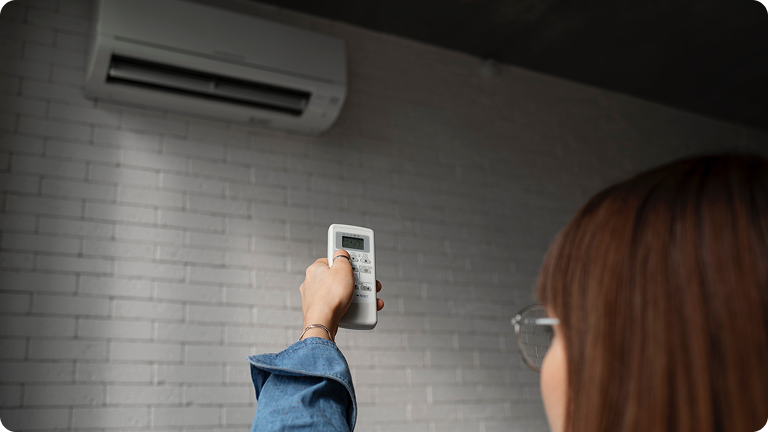

Your Trusted Local AC Experts
When the summer heat hits, you need an air conditioning system you can rely on. At Jim's Air Systems, we specialize in keeping your home cool and comfortable. Whether you need an emergency repair, a seasonal tune-up, or a brand new high-efficiency air conditioner, our family is here to help.
Our Air Conditioning Services include

AC Repair
We service all makes and models, quickly diagnosing and fixing any issue.
AC Installation & Replacement
Get a perfectly sized, high-efficiency system with our owner-led design and installation process.
AC Maintenance
Prevent breakdowns and improve efficiency with our comprehensive AC tune-ups.
Signs You Needs AC Service
.svg)

Frequently Asked Questions

We recommend having your air conditioning system professionally serviced once a year, ideally in the spring, to ensure it's ready for the summer heat.
Yes! Jim’s Air Systems is a family-owned and operated business. We take pride in delivering honest, reliable service and treating our customers like family, with a strong focus on quality workmanship and long-term relationships.
A trained, licensed HVAC professional from Jim’s Air Systems will visit your home for the estimate. Our technician will assess your needs, answer your questions, and provide a clear, upfront estimate with no pressure or hidden fees.
Ready for a Cooler, More Comfortable Home?
Whether you need an emergency repair or a free estimate on a new, energy-efficient air conditioner, our family is ready to provide honest advice and expert service. Contact us today!