
Facing Immediate HVAC Performance Issues?
A malfunctioning heating or cooling system can rapidly disrupt your daily life, leaving your home uncomfortably warm during dry summers or dangerously cold during wet winters. Whether you are dealing with a furnace that refuses to ignite or an air conditioner blowing warm air, you require immediate, professional intervention to restore safety and comfort to your Hayward home. Contact our team now to schedule a diagnostic visit or discuss financing options for your repair.
When your climate control system fails, you need a solution that prioritizes speed, accuracy, and long-term reliability.
- Speedy, same-day service availability to restore your indoor comfort as quickly as possible.
- High-quality repairs performed by certified technicians to ensure lasting system performance.
- Transparent pricing structures provided upfront with absolutely no hidden fees.
All repairs come with a comprehensive warranty and adhere strictly to local building codes, with flexible financing options available to fit your budget.
Resolve Your Heating and Cooling Disruptions
Your HVAC system is a complex network of mechanical and electrical components that must work in perfect synchronization. When one part fails, it often triggers a cascade of issues that can compromise the entire unit. In the Hayward area, where the Mediterranean climate shifts from heavy winter rains (up to 16 inches annually) to arid, warm summers, your equipment faces distinct environmental stressors. Coastal microclimates can introduce moisture that accelerates corrosion, while inland heat spikes put immense pressure on compressors and capacitors.
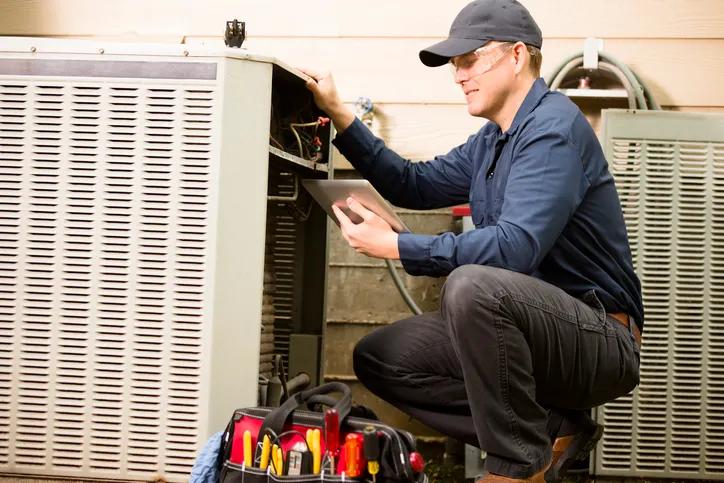
We approach every service call with a focus on root-cause analysis. We do not simply swap parts until the unit turns on; we investigate why the failure occurred to prevent repeat visits. This might involve tracing electrical shorts, identifying refrigerant leaks that compromise efficiency, or clearing drainage blockages that threaten water damage. Jims Air Systems technicians arrive equipped to handle high-pressure situations, ensuring that whether you have a split system, a package unit, or a heat pump, the issue is identified and resolved efficiently.
Our Service Commitment: Today's Repair Scope and Timelines
When you request a service visit, the goal is to minimize downtime and maximize system longevity. We understand that residents in Hayward need functional climate control to combat the region's variable weather.
Diagnostic and Assessment Phase
The process begins with a thorough evaluation of your current system. This goes beyond a visual inspection. We utilize advanced diagnostic tools to measure airflow, test electrical connections, and analyze combustion efficiency.
- Technicians arrive with fully stocked trucks containing common parts for brands like Bryant, Trane, and LG.
- We perform static pressure tests to ensure your ductwork is not suffocating your equipment.
- Refrigerant levels are checked against manufacturer specifications to ensure optimal cooling capacity.
- Heat exchangers are inspected for cracks or corrosion that could pose carbon monoxide risks.
Execution and Repair
Once the issue is isolated, you receive a clear explanation of the problem and the necessary steps to fix it. We prioritize repairs that restore the unit to factory specifications.
- Most standard repairs, such as capacitor replacements, contactor swaps, or sensor adjustments, are completed on the same visit.
- If a specific, non-stock part is required, we utilize local supply chains to expedite delivery, often within 24 hours.
- We protect your property during the work, using drop cloths and shoe covers to leave your home as clean as we found it.
Verification and Calibration
A repair is not complete until the system is tested under load.
- We cycle the system through multiple run times to ensure stability.
- Thermostats are calibrated to ensure the temperature you set is the temperature you get.
- Airflow is balanced to eliminate hot or cold spots in the home.
How We Do It: The Technical Repair Process
Our approach to restoring your HVAC functionality follows a strict protocol designed to ensure safety and efficiency. This systematic method allows us to maintain high standards across all repair jobs, regardless of the system's age or make.
Step 1: System Isolation and Safety Check
- The first step involves disconnecting power to the unit to prevent electrical hazards.
- We verify that all gas lines are secure and that there are no active leaks before proceeding with any mechanical work.
Step 2: Component Analysis
- We test individual components like the blower motor, compressor, and ignition assembly.
- Technicians look for signs of wear and tear, such as frayed wires, rusted contacts, or swollen capacitors.
- Filters and coils are inspected to determine if restricted airflow contributed to the failure.
Step 3: Corrective Action
- Faulty components are removed and replaced with OEM (Original Equipment Manufacturer) or equivalent high-quality parts.
- Electrical connections are tightened and secured to prevent future arcing or shorts.
- Refrigerant is recharged if necessary, adhering to strict EPA guidelines for handling and disposal.
Step 4: System Restoration and Testing
- Power is restored, and the system is monitored during startup to check for unusual noises or vibrations.
- We measure the temperature differential (Delta T) between the supply and return air to verify cooling or heating efficiency.
- Combustion analysis is performed for gas furnaces to ensure safe and efficient operation.
Step 5: Final Walkthrough
- We review the work performed with you, explaining exactly what was fixed and why.
- Maintenance recommendations are provided to help you avoid similar issues in the future.
Repair vs. Replacement: Making the Right Choice
Deciding whether to repair an aging unit or invest in a replacement is a critical financial decision. While our primary goal is to repair your existing equipment, there are specific thresholds where replacement becomes the more economical and logical choice.
The 50% Rule
- If the cost of the repair approaches or exceeds 50% of the value of a new system, replacement is generally recommended.
- Investing heavily in an old system often leads to diminishing returns as other components are likely to fail soon.
System Age and Efficiency
- Furnaces typically last 15-20 years, while air conditioners and heat pumps have a lifespan of 10-15 years.
- If your equipment is nearing the end of its expected life, a major repair may only buy you a short amount of time.
- Older systems often have lower SEER (Seasonal Energy Efficiency Ratio) ratings. Upgrading to a modern unit can significantly reduce monthly utility bills, offsetting the installation cost over time.
Frequency of Breakdowns
- If you have required multiple repairs in the last two years, your system is likely becoming unreliable.
- Chronic issues indicate that the system is struggling to keep up with demand, leading to inefficiency and discomfort.
Refrigerant Type
- Older AC units may use R-22 refrigerant (Freon), which has been phased out due to environmental regulations.
- Repairing leaks in R-22 systems is becoming prohibitively expensive and difficult due to scarcity.
- Modern systems use environmentally friendly R-410A or newer alternatives, which are cheaper and more readily available.
Comfort and Performance
- If your system runs constantly but fails to maintain the desired temperature, it may be undersized or losing compression.
- Uneven heating or cooling across different rooms suggests ductwork issues or a failing blower that a simple repair might not fully resolve.
Local HVAC Guidelines: Permits and Seasonal Considerations
Operating in Hayward requires adherence to specific local regulations and an understanding of regional environmental factors. Compliance ensures safety, efficiency, and the protection of your property value.
Permitting and Code Compliance
- Major HVAC repairs and all replacements typically require a permit from the City of Hayward Building Division.
- Permits ensure that the work meets current safety codes, including electrical and gas connection standards.
- Our team handles the permitting process, ensuring all documentation is filed correctly and inspections are scheduled as needed.
- Compliance with Title 24 energy standards is mandatory in California. This often involves duct testing and verification of system efficiency during major repairs or alterations.
Pacific Gas and Electric (PG&E) Incentives
- PG&E offers various rebate programs for upgrading to high-efficiency HVAC equipment.
- Smart thermostat installations and duct sealing services may also qualify for incentives.
- We stay updated on current rebate offers to help you maximize savings on eligible repairs and upgrades.
Seasonal Maintenance for the Bay Area Climate
- Spring: Prepare for the dry summer by scheduling AC maintenance. This includes cleaning condenser coils affected by pollen and dust, checking refrigerant levels, and ensuring the condensate drain is clear.
- Fall: Before the winter rains arrive, inspect your furnace. This involves checking the heat exchanger for rust (common in humid winters), testing the ignition system, and verifying carbon monoxide detectors are functional.
- Filter Changes: Due to local air quality variations and potential wildfire smoke, checking filters monthly and replacing them every 3 months is crucial for maintaining airflow and indoor air quality.
Technical Expertise and Certification Standards
The quality of an HVAC repair is directly dependent on the skill of the technician performing it. Modern heating and cooling systems rely on sophisticated electronics and precise mechanical tolerances. General handyman skills are insufficient for diagnosing complex variable-speed motors or communicating thermostat systems.
NATE Certification
- We employ technicians who hold North American Technician Excellence (NATE) certifications.
- This certification validates real-world working knowledge of HVAC systems and ensures adherence to industry best practices.
- NATE-certified pros have lower callback rates and higher accuracy in diagnostics.
Brand-Specific Knowledge
- Our team undergoes regular training on major brands like Bryant, Trane, Carrier, and Lennox.
- Understanding the proprietary error codes and wiring diagrams of specific manufacturers allows for faster and more accurate repairs.
- We utilize factory-authorized parts whenever possible to maintain the integrity of the manufacturer's warranty.
Safety Protocols
- Handling high-voltage electricity and combustible gases requires strict safety discipline.
- Technicians are trained in proper lockout/tagout procedures to prevent accidental energization during repairs.
- Refrigerant handling certifications (EPA 608) are mandatory for all staff working on AC units to prevent environmental contamination.
Secure Your Indoor Environment: Book Now
Your home’s comfort depends on a responsive and efficient HVAC system. Ignoring minor noises, smells, or performance drops can lead to catastrophic failures when you need your system the most. Whether it is a routine fix or an emergency intervention, professional service ensures your equipment operates safely and efficiently. Jims Air Systems is dedicated to providing the technical expertise required to resolve your heating and cooling challenges immediately.
Don't let a broken HVAC system compromise your comfort or safety. Schedule your professional repair service today.
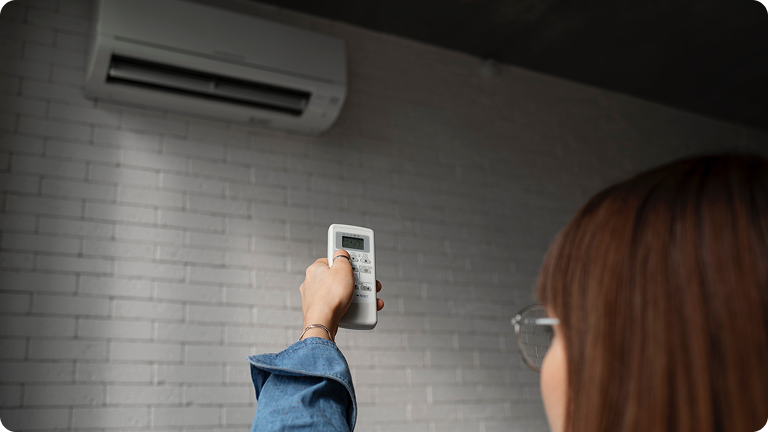

Your Trusted Local AC Experts
When the summer heat hits, you need an air conditioning system you can rely on. At Jim's Air Systems, we specialize in keeping your home cool and comfortable. Whether you need an emergency repair, a seasonal tune-up, or a brand new high-efficiency air conditioner, our family is here to help.
Our Air Conditioning Services include

AC Repair
We service all makes and models, quickly diagnosing and fixing any issue.
AC Installation & Replacement
Get a perfectly sized, high-efficiency system with our owner-led design and installation process.
AC Maintenance
Prevent breakdowns and improve efficiency with our comprehensive AC tune-ups.
Signs You Needs AC Service
.svg)

Frequently Asked Questions

We recommend having your air conditioning system professionally serviced once a year, ideally in the spring, to ensure it's ready for the summer heat.
Yes! Jim’s Air Systems is a family-owned and operated business. We take pride in delivering honest, reliable service and treating our customers like family, with a strong focus on quality workmanship and long-term relationships.
A trained, licensed HVAC professional from Jim’s Air Systems will visit your home for the estimate. Our technician will assess your needs, answer your questions, and provide a clear, upfront estimate with no pressure or hidden fees.
Ready for a Cooler, More Comfortable Home?
Whether you need an emergency repair or a free estimate on a new, energy-efficient air conditioner, our family is ready to provide honest advice and expert service. Contact us today!