
Is Your Cooling System Failing to Keep Up With the Heat?
Is your air conditioning system failing to cool your home effectively, especially during the peak of the Hayward summer heat, leaving you uncomfortable and frustrated? If your system is blowing warm air, making strange noises, or causing your energy bills to skyrocket, you need immediate professional attention to restore your indoor climate. Contact us today or call to schedule a comprehensive inspection and get your system running efficiently again.
Jims Air Systems offers prompt and reliable AC maintenance services designed to identify root causes and ensure your comfort throughout the season. We understand that when your cooling goes down, you cannot afford to wait days for a technician.
- Same-day service availability to quickly identify issues and restore your AC’s cooling efficiency.
- Certified technicians who perform a rigorous, multi-point maintenance check to prevent future breakdowns.
- 24/7 availability for emergency repairs, ensuring you have support even during the hottest weekends or holidays.
All services are backed by industry-leading warranties and straightforward financing options to make your decision easier.
Immediate Restoration of Cooling Efficiency and System Reliability
When you schedule a service visit, the priority is assessing the immediate health of your HVAC equipment. A professional maintenance visit is not merely a visual inspection; it is a deep cleaning and calibration service designed to bring the unit back to factory specifications. Over time, air conditioners in the Hayward area accumulate dust, pollen, and debris that restrict airflow and force the compressor to work harder than necessary. This added strain results in higher utility bills and a shortened lifespan for the equipment.
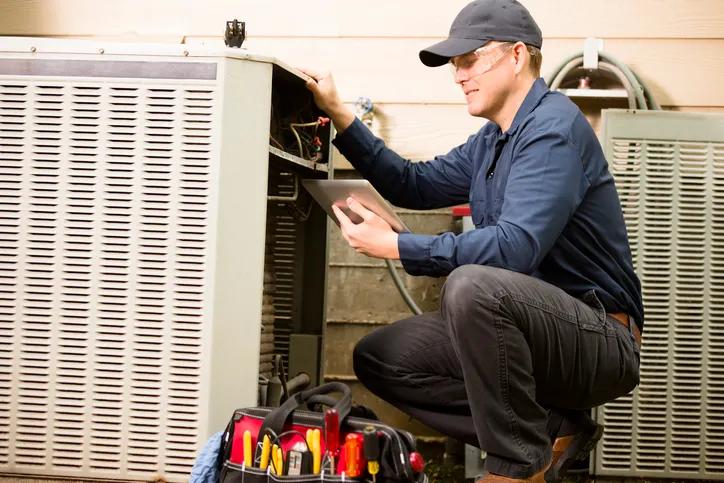
We provide a thorough tune-up that addresses every critical component of your air conditioning system. The goal is to maximize the cooling output while minimizing energy consumption. By addressing wear and tear proactively, you avoid the inconvenience of a mid-summer breakdown when technicians across the region are booked weeks in advance.
During a standard maintenance appointment, you can expect the following deliverables:
- Complete System Diagnostics: Technicians utilize advanced diagnostic tools to measure pressure, temperature drop, and electrical consumption. This data reveals the true operating efficiency of the unit and highlights any pending failures in capacitors or contactors.
- Airflow Optimization: Restricted airflow is the leading cause of frozen coils and compressor failure. The service includes inspecting the blower motor, cleaning the fan blades, and verifying that supply and return registers are unobstructed.
- Refrigerant Level Verification: Incorrect refrigerant levels, whether too low due to leaks or too high due to amateur overcharging, severely impact cooling power. Technicians verify the charge matches the manufacturer's specifications for optimal heat exchange.
- Electrical Safety Inspection: Loose connections and corroded wires are fire hazards and can cause intermittent power failures. All electrical components are tightened, tested, and secured.
- Coil Cleaning: The evaporator and condenser coils are chemically cleaned to remove grime that acts as an insulator, preventing the system from absorbing and releasing heat effectively.
Our Detailed Maintenance Inspection Process
Understanding what happens during a maintenance visit helps homeowners prepare and ensures transparency. The process follows a strict protocol to ensure no component is overlooked. This systematic approach guarantees that the system is safe, efficient, and ready for the demands of the season.
- Initial Assessment and Site Protection: The technician arrives on time and begins by discussing any specific concerns you have noticed, such as odd noises or warm spots in the house. Before entering the home, they apply shoe covers and lay down drop cloths to protect flooring and maintain cleanliness in the workspace.
- Thermostat and Control Calibration: The interface between the homeowner and the AC is the thermostat. The technician verifies that the thermostat is reading the temperature accurately and communicating correctly with the control board. If the system is short-cycling (turning on and off too frequently), calibration or anticipation settings are adjusted to smoothen the cooling cycle.
- Indoor Unit and Blower Inspection: Focus shifts to the indoor air handler or furnace. The blower motor amp draw is measured to ensure it is not straining. The blower wheel is inspected for dust buildup, which can cause wobble and noise. If the air filter is dirty, it is replaced or cleaned, as a clogged filter is the single most common cause of system freezing.
- Condensate Drain Line Clearing: Air conditioners remove humidity from the air, which turns into condensate water. Over time, the drain line can clog with algae and sludge, leading to water damage in the home. The technician clears the drain line and treats the drain pan to prevent future blockages and bacterial growth.
- Outdoor Unit and Compressor Analysis: The technician proceeds to the outdoor condenser unit. Debris such as leaves and grass clippings is removed from the interior of the unit. The capacitor, which helps start the compressor and fan, is tested for microfarad rating. A weak capacitor is a cheap part to replace during maintenance but an expensive service call if it fails later. The compressor, the heart of the system, is monitored for sound and vibration.
- Final Performance Test and Reporting: Once all cleaning and adjustments are complete, the system is run through a full cooling cycle. The technician measures the temperature difference between the supply air and the return air (Delta T) to confirm the system is cooling effectively. A detailed report is provided, outlining the work performed and any recommendations for repairs or proactive replacements.
Assessing System Health: Repair or Replace?
One of the most difficult decisions homeowners face is determining when to stop repairing an aging unit and invest in a replacement. While maintenance extends the life of a system, there comes a point where sinking money into repairs offers diminishing returns. This decision often depends on the age of the unit, the cost of the repair, and the type of refrigerant the system uses.
Jims Air Systems helps you navigate this decision with data, not pressure. If a system is nearing the end of its useful life, specific indicators will signal that replacement is the more financially sound option.
The 50% Rule:
If the cost of a necessary repair approaches or exceeds 50% of the value of the system (or the cost of a new unit), replacement is generally recommended. Spending thousands on a compressor for a 15-year-old unit is rarely a good investment, as other components are likely to fail soon after.
System Age and R-22 Refrigerant:
Air conditioners generally last between 10 to 15 years. If your unit is over 10 years old and requires a major repair, replacement should be considered. Furthermore, older systems often use R-22 (Freon), a refrigerant that has been phased out due to environmental regulations. R-22 is becoming prohibitively expensive and difficult to source. If an older unit has a refrigerant leak, upgrading to a modern system using R-410A or newer refrigerants is the only viable long-term solution.
Frequency of Breakdowns:
If you find yourself calling for repairs multiple times a year, the system has become unreliable. The cumulative cost of service calls, parts, and the inconvenience of downtime often outweighs the monthly cost of financing a new, high-efficiency system.
Efficiency Ratings and Energy Bills:
Older units often have SEER (Seasonal Energy Efficiency Ratio) ratings of 10 or less. Modern standards require significantly higher efficiency. Replacing a 10 SEER unit with a 16+ SEER unit can reduce cooling costs by 30% to 50%. If energy bills are rising despite regular maintenance, the equipment's internal efficiency has likely degraded beyond recovery.
Uneven Cooling and Comfort Issues:
If certain rooms are never cool enough or if the unit runs constantly without reaching the set temperature, the compressor may be losing compression, or the unit may be undersized for the home's current heat load. In these cases, no amount of repair will correct the fundamental performance deficit.
Navigating Local HVAC Requirements and Climate Factors
Operating an air conditioning system in Hayward requires understanding the specific environmental and regulatory conditions of the area. The local climate features a transition from wet, mild winters to prolonged dry, warm summers. This specific weather pattern influences how systems degrade and when maintenance is most critical.
The Impact of Marine Layer and Humidity:
While summers are dry, the proximity to the Bay can introduce salt air and moisture during the off-season. This can accelerate corrosion on the outdoor condenser coils and electrical contacts. Regular maintenance includes inspecting for rust and corrosion that could compromise the structural integrity of the unit or cause electrical shorts.
Wildfire Smoke and Air Quality:
In recent years, smoke from regional wildfires has become a significant concern. Ash and particulate matter can rapidly clog outdoor condenser coils and indoor air filters. During fire season, maintenance becomes a health and safety necessity. Technicians pay special attention to sealing gaps in the ductwork to prevent smoke infiltration and recommend high-efficiency filtration solutions compatible with local systems.
Title 24 and Permit Compliance:
California’s Title 24 Building Energy Efficiency Standards are among the strictest in the nation. These regulations dictate efficiency minimums, duct sealing requirements, and refrigerant handling protocols. When significant repairs or replacements are undertaken, permits are often required to ensuring the work meets safety codes. Professional technicians are well-versed in these local codes and ensure that all maintenance and repair work keeps your home compliant, which is vital for insurance purposes and future resale value.
Seasonal Load Shifts:
The shift from heating to cooling in the Bay Area can be abrupt. Systems that sit idle for months often fail upon the first startup of the season due to seized motors or dried-out capacitors. The ideal time for maintenance is early spring, before the heat load peaks, ensuring the system is ready to handle the consecutive days of high temperatures common in late summer.
Why Homeowners Choose Professional Maintenance
Attempting DIY maintenance or neglecting the system entirely leads to reduced performance and higher costs. Professional service provides benefits that go beyond simple cleaning. It offers peace of mind and financial protection for one of the most expensive appliances in the home.
Validation of Manufacturer Warranties:
Most HVAC manufacturers strictly require proof of annual professional maintenance to keep the warranty valid. If a major component like a compressor fails and there is no record of maintenance, the manufacturer may deny the claim, leaving the homeowner with the full bill. Professional documentation protects this coverage.
Enhanced Indoor Air Quality:
Dirty coils and blower wheels are breeding grounds for mold, bacteria, and allergens. As air circulates through a dirty system, it redistributes these contaminants throughout the living space. Professional cleaning removes these biological growth centers, resulting in cleaner, healthier air for the family.
Extended Equipment Lifespan:
A well-maintained system runs with less friction, lower pressure, and better heat dissipation. This reduces mechanical stress on the motor and compressor. Statistics consistently show that maintained systems last years longer than neglected ones, delaying the significant capital expense of replacement.
Improved Safety:
While rare, electrical shorts in AC units can cause fires. Furthermore, gas furnaces often share the same air handler. A maintenance visit is a holistic check that ensures the safe operation of the entire HVAC assembly, protecting the home from electrical hazards and ensuring all safety limit switches are functional.
Reliable Performance Starts With Maintenance: Book Your Service Today
Secure your comfort and protect your investment by scheduling your maintenance service today. Don't wait for a breakdown in the middle of a heatwave; ensure your system is ready now and schedule your service.

Your Trusted Local AC Experts
When the summer heat hits, you need an air conditioning system you can rely on. At Jim's Air Systems, we specialize in keeping your home cool and comfortable. Whether you need an emergency repair, a seasonal tune-up, or a brand new high-efficiency air conditioner, our family is here to help.
Our Air Conditioning Services include

AC Repair
We service all makes and models, quickly diagnosing and fixing any issue.
AC Installation & Replacement
Get a perfectly sized, high-efficiency system with our owner-led design and installation process.
AC Maintenance
Prevent breakdowns and improve efficiency with our comprehensive AC tune-ups.
Signs You Needs AC Service
.svg)
Ready for a Cooler, More Comfortable Home?
Whether you need an emergency repair or a free estimate on a new, energy-efficient air conditioner, our family is ready to provide honest advice and expert service. Contact us today!