
Restore System Performance and Eliminate Unexpected Breakdowns
Is your HVAC system failing to maintain a consistent temperature or driving up energy costs during the dry summers and damp winters typical of the Dublin area? You require a technical maintenance solution that addresses performance issues immediately and prevents costly system failures down the road. Contact us today to schedule a comprehensive system tune-up or to discuss our flexible financing options for major repairs.
Jims Air Systems provides rigorous, checklist-based maintenance designed to catch issues before they interrupt your comfort.
- Experience same-day HVAC service availability to restore comfort immediately.
- Benefit from 24/7 availability for urgent system checks, even on holidays.
- Ensure your system’s longevity and efficiency with our comprehensive, multi-point maintenance protocols.
- All services are fully licensed and adhere to local building codes, with flexible financing available.
Comprehensive HVAC Maintenance: What Is Included in the Service
Effective HVAC maintenance is not a cursory visual inspection; it is a deep dive into the electromechanical operation of your heating and cooling equipment. When a technician arrives at your property in Dublin or the surrounding region, the objective is to optimize the thermodynamic transfer of heat and ensure all safety mechanisms are functioning correctly. Neglecting these specific components leads to efficiency loss, higher utility bills, and premature component failure.
Cooling System Protocols
During the warmer months, the focus shifts to heat rejection and airflow management. The maintenance process targets the specific stressors that high ambient temperatures place on your air conditioning unit.
- Condenser Coil Cleaning: The outdoor unit is exposed to dust, pollen, and debris common in the local climate. Dirty coils reduce the system's ability to release heat, causing the compressor to work harder and draw more amperage. Technicians chemically clean these coils to restore proper heat transfer.
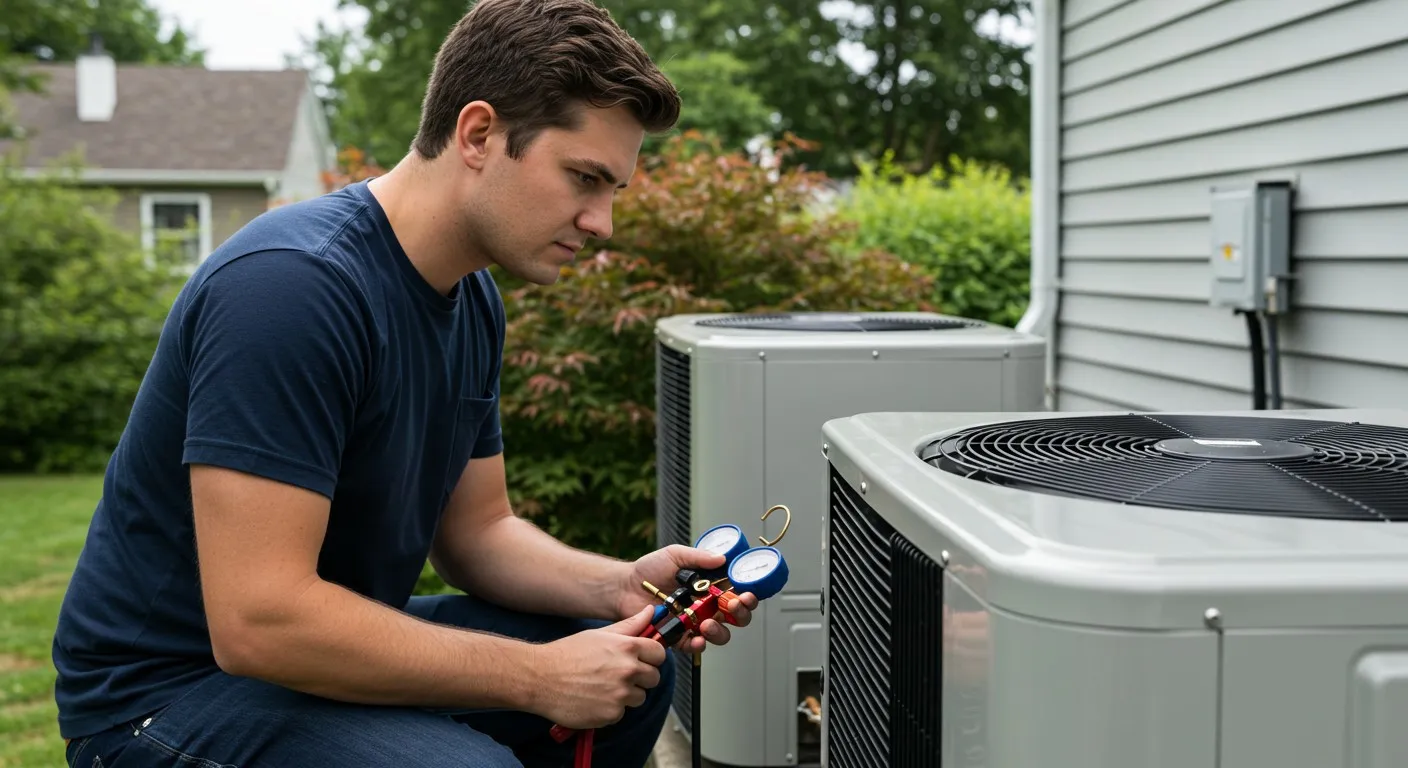
- Refrigerant Level Verification: Incorrect refrigerant charges—whether too low or too high—drastically affect cooling capacity. Technicians measure superheat and subcooling levels to ensure the refrigerant charge meets manufacturer specifications.
- Condensate Drain Inspection: The cooling process removes humidity from your home. If the condensate drain line becomes clogged with algae or sediment, it can cause water damage or trigger safety switches that shut down the system. The service includes flushing these lines to ensure proper drainage.
- Electrical Component Analysis: Capacitors and contactors are high-wear items in an air conditioning system. Maintenance involves testing the microfarad readings of capacitors and checking contactors for pitting or burning, replacing them before they cause a compressor failure.
Heating System Protocols
As the weather turns wet and cool, the focus of maintenance moves to combustion safety and heat generation.
- Heat Exchanger Inspection: This is a critical safety check. Technicians inspect the heat exchanger for cracks or fissures that could allow carbon monoxide to leak into the living space.
- Burner Assembly Cleaning: Dirty burners result in uneven flames and inefficient combustion. Cleaning the assembly ensures the gas burns cleanly and efficiently, maximizing the heat output per unit of fuel.
- Flue Pipe and Venting Check: Proper venting is essential for safety. The inspection verifies that all combustion gases are being vented outside properly and that there are no blockages or rust in the flue piping.
- Ignition System Testing: Whether your system uses a pilot light, hot surface igniter, or spark ignition, verifying its operation is essential for reliable heating. Technicians test the resistance and operation of these components to prevent ignition failures.
General System Calibration
Regardless of the season, certain aspects of the HVAC system require optimization to ensure the entire unit functions as a cohesive system.
- Thermostat Calibration: A thermostat that reads the wrong temperature causes the system to run longer than necessary or cycle on and off too frequently. Calibration ensures the temperature set is the temperature achieved.
- Blower Motor Amperage Check: The blower moves air through the ductwork. Technicians measure the amperage draw to ensure the motor is not straining, which often indicates bearing wear or airflow restrictions.
- Airflow and Static Pressure Testing: Proper airflow is the lifeblood of any HVAC system. Static pressure tests reveal if the ductwork is undersized or if there are blockages preventing air from reaching certain rooms.
How the Professional Maintenance Process Works
Understanding the sequence of a professional maintenance visit helps homeowners prepare and ensures transparency regarding the work being performed. The process is structured to be efficient, thorough, and minimally intrusive to your daily routine.
- Initial Assessment and Safety Check: Upon arrival, the technician performs a safety scan of the unit's environment. This includes checking for gas leaks, exposed wiring, or structural issues around the unit. The technician will also run the system to hear how it sounds and establish a baseline for current performance.
- Detailed Component Inspection: Following the specific cooling or heating protocols, the technician moves systematically through the equipment. Panels are removed to access internal components. Gauges and multimeters are used to gather hard data on pressures, temperatures, and electrical values.
- Cleaning and Adjustment: This is the hands-on portion of the service. Electrical connections are tightened to prevent arcing. Moving parts, such as motor bearings (if non-sealed), are lubricated to reduce friction. Filters are inspected and replaced if a replacement is available on-site.
- Performance Testing: Once cleaning and adjustments are complete, the system is restarted. The technician monitors the system through a full cycle to ensure it reaches the target temperature and that all safety limits function correctly.
- Reporting and Recommendations: The process concludes with a detailed report. You receive a breakdown of what was done, the current status of the system, and recommendations for any proactive repairs. If a part is near the end of its lifecycle, you are informed immediately so you can decide on replacement before a total breakdown occurs.
Deciding Between Maintenance, Repair, and Replacement
Homeowners often view maintenance as a cure-all, but there is a distinct difference between tuning up a working system and fixing a broken one. Furthermore, there comes a point where investing in an old system is no longer finically viable. Understanding where your equipment stands in its lifecycle helps in making informed financial decisions.
When Maintenance is Sufficient
Routine maintenance is designed for systems that are currently operational but need optimization.
- The System is Under 10 Years Old: Modern HVAC systems generally last between 12 to 15 years. If the unit is relatively new, maintenance is usually all that is required to keep the warranty valid and efficiency high.
- Performance is Slightly Degraded: If the system takes a little longer to cool or the airflow feels slightly weaker, a tune-up—specifically cleaning coils and filters—often resolves the issue without requiring part replacements.
- No Unusual Noises: If the system sounds normal and runs smoothly, preventative maintenance is the correct path to maintain that status.
When Repair is Necessary
Repair services are required when a specific component has failed or is functioning outside of safe parameters.
- Specific Part Failure: If a capacitor has blown, a belt has snapped, or a fan motor has seized, maintenance cannot fix the issue. These parts must be replaced to restore function.
- Intermittent Shut-Offs: If the system runs for a few minutes and then shuts off unexpectedly, this indicates a safety switch is tripping or a component is overheating. This requires diagnostic repair, not just a tune-up.
- Ice Formation: Seeing ice on the outdoor unit or the indoor evaporator coil is a sign of a refrigerant leak or severe airflow restriction. This is a repair scenario that requires locating and fixing the leak.
When Replacement Beats Repair
There are scenarios where putting money into repairs or maintenance is throwing good money after bad.
- The 50% Rule: If the cost of the repair approaches 50% of the value of a new system, replacement is generally the better financial option.
- Frequency of Breakdown: If you have required repairs more than twice in the last two years, the system has likely become unreliable. A new system offers warranty protection and peace of mind.
- R-22 Refrigerant: If your older unit uses R-22 (Freon), which has been phased out, repair costs involving refrigerant will be astronomical. Upgrading to a system that uses R-410A or newer refrigerants is more cost-effective.
- Age Over 15 Years: Even if the system runs, its efficiency is likely significantly lower than modern standards. Replacing a 15-year-old unit can result in immediate energy savings that help offset the installation cost.
Local Considerations for Dublin and Bay Area HVAC Systems
Operating an HVAC system in Dublin and the wider Bay Area presents specific challenges driven by the local microclimate and regulatory environment. A maintenance plan must account for these regional factors to be truly effective.
Managing Dry Summers and Wet Winters
The climate in this region is characterized by distinct seasonality that impacts equipment differently than in other parts of the country.
- Dust and Particulate Accumulation: The dry heat of summer often results in higher levels of dust and pollen. For residents in Dublin, this means air filters and outdoor condenser coils clog faster than average. Maintenance in this area must prioritize aggressive coil cleaning to prevent head pressure issues during heat waves.
- Moisture and Rust Prevention: While summers are dry, the winters are wet. Heating systems, particularly furnaces located in attics or garages, are susceptible to moisture intrusion. This can lead to rust on burners or electrical connections. Fall maintenance checks focus heavily on inspecting for corrosion that could compromise safety.
Compliance with California Building Codes
California leads the nation in energy efficiency standards, and this impacts how HVAC services are delivered.
- Title 24 Compliance: When significant repairs or replacements are needed, they often trigger Title 24 requirements. This may involve duct testing to ensure leakage is below a certain percentage. Professional technicians are trained to identify when a repair might escalate into a code-compliance requirement.
- Permit Requirements: Major modifications to HVAC systems in the Dublin area usually require permits. A reputable service provider handles the permitting process, ensuring that all work is documented and passes city inspection. This is vital for maintaining the resale value of the home and ensuring insurance coverage remains valid.
- Rebate Availability: Local utility providers often offer rebates for upgrading to high-efficiency heat pumps or furnaces. Maintenance technicians can identify if your current system is eligible for upgrade incentives based on its age and efficiency rating.
Differentiators: Why Technical Expertise Matters
In a market flooded with general handymen and unlicensed contractors, the value of a dedicated HVAC specialist cannot be overstated. The difference lies in the depth of diagnostic capability and the adherence to safety standards.
- Advanced Diagnostic Tools: Professional technicians utilize digital manifolds, combustion analyzers, and thermal imaging cameras. These tools provide precise readings that guesswork cannot replicate. This ensures that the system is not just "running," but running at factory specifications.
- Warranty Preservation: Most HVAC manufacturers require proof of annual maintenance by a licensed professional to keep the parts warranty valid. DIY maintenance or undocumented work often voids these warranties, leaving the homeowner liable for expensive parts in the future.
- Safety First Approach: Handling high-voltage electricity and combustible gases like natural gas requires specialized training. Technicians certified by organizations such as NATE have demonstrated the knowledge required to handle these hazards safely, protecting your home and family from electrical fires or carbon monoxide poisoning.
- Inventory Availability: Professional services stock their trucks with universal parts. This increases the likelihood that a minor issue found during maintenance can be fixed immediately during the same visit, rather than requiring a second appointment and days of waiting.
Prioritizing the health of your heating and cooling equipment is an investment in your property’s value and your daily comfort. Jims Air Systems is positioned to deliver the technical precision required to keep your environment controlled and your energy costs managed. Take control of your indoor climate before the weather shifts. Secure your appointment for professional maintenance today.
Schedule Your HVAC Maintenance Today
Stay ahead of costly breakdowns and rising energy bills with professional HVAC maintenance from Jims Air Systems. Our comprehensive, checklist-driven tune-ups are designed specifically for Dublin, CA’s dry summers and damp winters, ensuring your system runs safely, efficiently, and reliably year-round. With same-day availability, 24/7 support, licensed technicians, and flexible financing options, protecting your comfort has never been easier. Schedule your HVAC maintenance today and enjoy consistent temperatures, improved efficiency, and complete peace of mind.

Your Trusted Local AC Experts
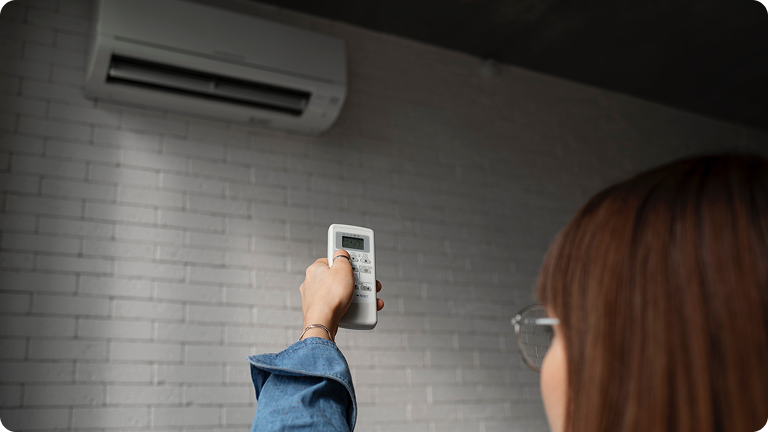
When the summer heat hits, you need an air conditioning system you can rely on. At Jim's Air Systems, we specialize in keeping your home cool and comfortable. Whether you need an emergency repair, a seasonal tune-up, or a brand new high-efficiency air conditioner, our family is here to help.
Our Air Conditioning Services include

AC Repair
We service all makes and models, quickly diagnosing and fixing any issue.
AC Installation & Replacement
Get a perfectly sized, high-efficiency system with our owner-led design and installation process.
AC Maintenance
Prevent breakdowns and improve efficiency with our comprehensive AC tune-ups.
Signs You Needs AC Service
.svg)

Frequently Asked Questions

We recommend having your air conditioning system professionally serviced once a year, ideally in the spring, to ensure it's ready for the summer heat.
Yes! Jim’s Air Systems is a family-owned and operated business. We take pride in delivering honest, reliable service and treating our customers like family, with a strong focus on quality workmanship and long-term relationships.
A trained, licensed HVAC professional from Jim’s Air Systems will visit your home for the estimate. Our technician will assess your needs, answer your questions, and provide a clear, upfront estimate with no pressure or hidden fees.
Ready for a Cooler, More Comfortable Home?
Whether you need an emergency repair or a free estimate on a new, energy-efficient air conditioner, our family is ready to provide honest advice and expert service. Contact us today!