
Stop Overpaying for Underperforming Air Conditioning
Your comfort during Dublin's dry summers and chilly wet winters depends significantly on a well-functioning AC system, yet high energy bills often signal a unit struggling to keep up. Neglected equipment forces your compressor to work harder than necessary, risking a total breakdown right when temperatures spike into the 90s. Contact us today to schedule a precision tune-up or to discuss financing options for major repairs.
Trust our experts to ensure your system runs smoothly with thorough, timely maintenance that addresses the root causes of inefficiency.
- Restore consistent indoor temperatures immediately with same-day service availability.
- Reduce your monthly energy expenditures by optimizing airflow and electrical components.
- Extend the operational lifespan of your central air unit through a methodical, multi-point inspection process.
All services are fully licensed, insured, and executed by seasoned professionals who understand local building standards.
What a Professional AC Tune-Up Includes
Effective air conditioning maintenance is not merely a visual inspection; it is a rigorous process of cleaning, calibrating, and testing the mechanical and electrical components of your HVAC system. The goal is to return the unit to factory specifications. When Jims Air Systems performs a maintenance visit, the focus is on preventative measures that stop small wear-and-tear issues from becoming expensive failures.
Electrical Component Inspection
The electrical system is the brain and nervous system of your air conditioner. Loose connections or worn parts can cause dangerous arcing or sudden motor failure.
- Tightening all electrical connections to prevent voltage drops and overheating wires.
- Testing capacitors for proper microfarad ratings; a weak capacitor is a primary cause of compressor failure.
- Inspecting the contactor for pitted surfaces or burnt marks that could cause the unit to stick "on" or fail to start.
- Measuring amperage and voltage draw on the compressor and fan motors to ensure they are not overworking.
Airflow and Filtration Analysis
Proper airflow is critical for the heat exchange process. If air cannot move freely over the coils, the system cannot cool the home.
- Checking and replacing standard air filters to protect the blower motor.
- Inspecting the blower wheel for dust buildup, which can create drag and reduce air volume.
- Examining supply and return static pressure to identify ductwork restrictions.
- Verifying that all supply vents are open and unobstructed.
Refrigeration Cycle Optimization
The refrigerant is the medium that actually moves heat out of your home. Incorrect levels drastically reduce efficiency.
- Connecting gauges to monitor operating pressures on both the high and low sides of the system.
- Calculating superheat and subcooling values to ensure the refrigerant change of state is occurring at the correct point in the coil.
- Checking for signs of refrigerant leaks, such as oil residue on fittings or coils.
- Adding refrigerant strictly according to manufacturer's specifications if a deficit is found.
Coil Cleaning and Condensate Management
Dirty coils act as insulators, preventing the transfer of heat.
- Chemically cleaning the outdoor condenser coil to remove dirt, grass clippings, and pollen that trap heat inside the unit.
- Inspecting the indoor evaporator coil for biological growth or dust mats.
- Flushing the condensate drain line to prevent water backups that can trigger safety switches or cause water damage.
- Treating the drain pan to inhibit algae growth.
The Maintenance Process Step-by-Step
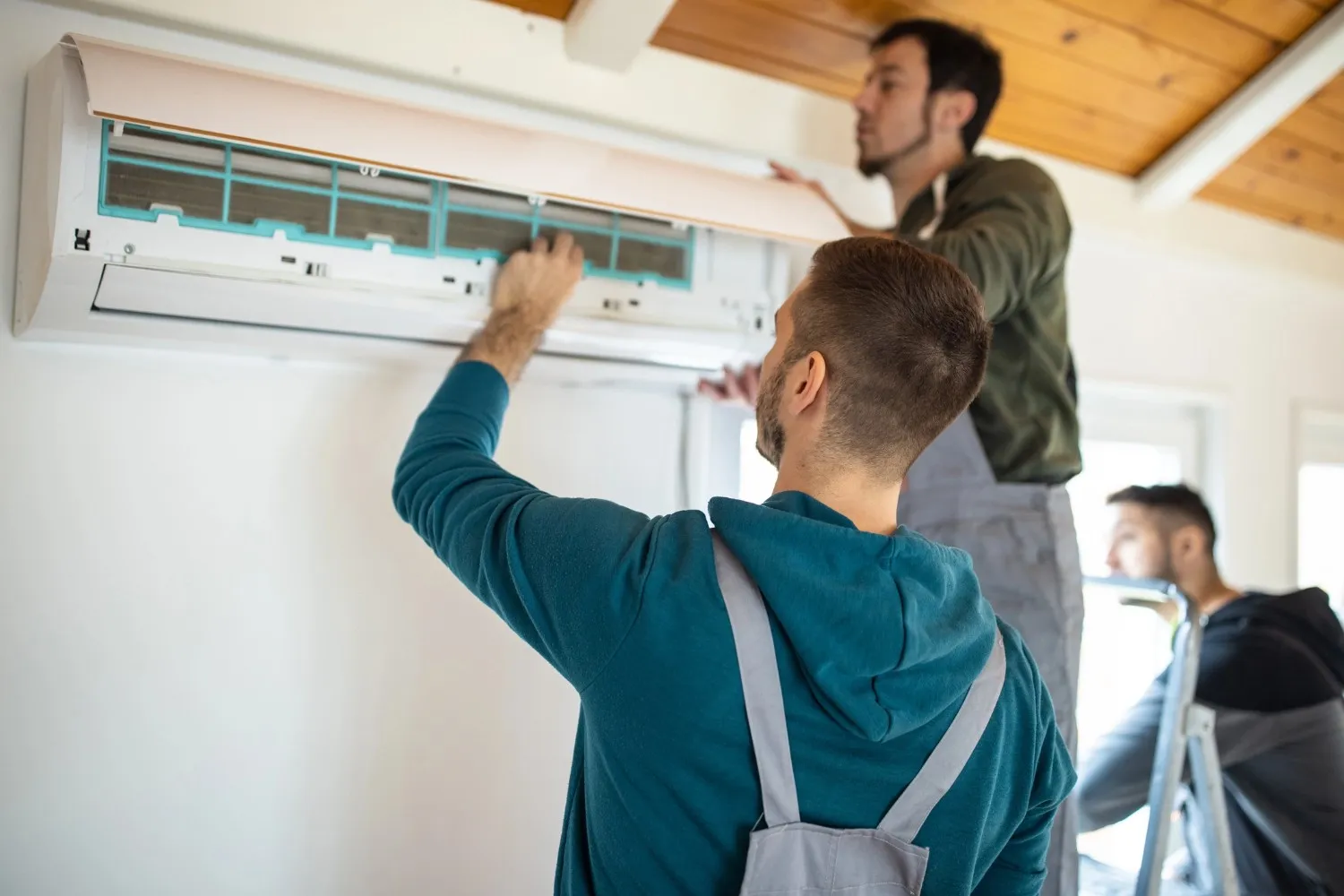
Understanding the workflow of a maintenance appointment helps homeowners prepare and ensures transparency regarding the service provided. The process is designed to be efficient while leaving no component unchecked.
- Initial Assessment and Safety Check: The technician arrives and performs a safety sweep of the unit area. This involves shutting off power to the unit at the disconnect box to ensure safe handling of internal components. They will also briefly discuss any specific performance issues you have noticed, such as strange noises or warm spots in the house.
- System Cleaning: The technician disassembles the outer protective cages of the condenser unit to access the coils. They apply a specialized coil cleaner that foams out debris from between the aluminum fins. While the cleaner works, the technician clears leaves and debris from the base of the unit to ensure proper airflow.
- Mechanical and Electrical Testing: Once the unit is clean, the technician opens the electrical panel. They use multimeters to test the run capacitors, start capacitors, and contactors. Following this, they test the fan motor bearings for play and lubricate them if the motor type allows for it.
- Performance Validation: After reassembly, the power is restored, and the system is run for 15 to 20 minutes to stabilize. This allows the technician to get accurate readings on temperature splits (the difference in temperature between the air entering and leaving the system) and refrigerant pressures.
- Reporting: Finally, the technician compiles a detailed status report. This document outlines the current health of the system, notes any parts that are nearing the end of their lifecycle, and provides recommendations for immediate or future repairs.
When to Repair vs. Replace Your Cooling System
Maintenance extends the life of a system, but it cannot fix a unit that has reached the end of its mechanical utility. Making the decision between a continued repair schedule and a full system replacement requires analyzing specific data points regarding age, cost, and efficiency.
The 50% Rule
A common industry standard for financial decision-making is the 50% rule. If the cost of a necessary repair approaches or exceeds 50% of the value of a new system (or 50% of the current market value of the existing unit), replacement is generally the wiser financial choice. Investing thousands of dollars into an aging compressor often leads to "throwing good money after bad," as other components are likely to fail soon after.
Age and Reliability
Most central air conditioners in California are designed to last between 10 and 15 years.
- Under 10 years: Unless the unit has suffered catastrophic failure or was sized incorrectly, repair is usually the best option. Warranties may still cover parts.
- 10 to 15 years: This is the "gray zone." Decisions should be based on the frequency of breakdowns. If you are calling for service more than once a season, reliability has been compromised.
- Over 15 years: Replacement is highly recommended. Even if the unit runs, its efficiency has likely degraded significantly, meaning you are paying a premium to the utility company for subpar cooling.
Refrigerant Type
Older systems utilize R-22 (Freon), a refrigerant that has been phased out due to environmental regulations.
- Production and import of R-22 have ceased, making existing supplies extremely expensive.
- If an R-22 system develops a leak or suffers a compressor burnout, the cost to recharge it is often prohibitive.
- Modern systems use R-410A or newer alternatives, which are more efficient, environmentally friendly, and affordable to service.
SEER Ratings and Efficiency
The Seasonal Energy Efficiency Ratio (SEER) measures how efficiently a cooling system operates over an entire season.
- Older units may have SEER ratings of 10 or less.
- Current minimum standards and modern high-efficiency units often exceed 16 or 20 SEER.
- Upgrading from a 10 SEER unit to a 16 SEER unit can reduce cooling costs by roughly 38%, allowing the new system to pay for itself over time through utility savings.
Navigating Local Climate and Requirements
Operating an air conditioning system in Dublin requires attention to specific environmental factors and local regulations. The microclimate here presents distinct challenges that generic maintenance plans might overlook.
Heat Load and Seasonality
The region experiences hot, dry summers where temperatures frequently reach the low 90s.
- Dry Heat and Dust: The lack of humidity in the summer means dust and dry debris are more prevalent. This particulate matter clogs condenser coils faster than in humid climates. Maintenance must prioritize thorough coil washing to prevent high head pressure which kills compressors.
- Wet Winters: While the focus is AC, the wet winters from November to March can affect the outdoor unit. excessive moisture can lead to rust and corrosion on the base pan or electrical contacts if the unit is not properly shielded or if drainage is poor.
- Shoulder Seasons: The moderate transition months are the ideal time for maintenance. Waiting until the first heatwave often results in delays due to high demand across the service area.
Local Codes and Utility Considerations
Ensuring your system complies with local standards protects your home value and safety.
- Permits: While routine maintenance usually does not require a permit, significant repairs (like compressor replacement) or full system installations do. Professional technicians ensure that any major work adheres to city codes regarding noise decibels, unit placement, and electrical safety.
- Utility Programs: Local utility providers sometimes offer rebates or incentives for upgrading to high-efficiency equipment or performing certified duct sealing. Regular maintenance ensures your system qualifies for these efficiency standards.
Why Professional Execution Matters
Attempting DIY maintenance on high-voltage equipment is dangerous and often ineffective. A garden hose cannot achieve the pressure required to clean a coil correctly without damaging the fins, and a visual check cannot detect a capacitor that is 10% out of tolerance. Professional service provides a depth of analysis that goes beyond surface-level cleaning.
Diagnostic Tools
Professionals utilize industrial-grade tools that are not available to the average homeowner.
- Digital Manifolds: These provide precise pressure and temperature readings to calculate superheat and subcooling instantly.
- Combustion Analyzers (for furnaces): If checking a combined system, safety is paramount.
- Anemometers: To measure airflow velocity and volume accurately.
Warranty Preservation
Most manufacturer warranties explicitly state that the equipment must be maintained by a licensed HVAC professional. Failure to provide proof of annual maintenance can void the warranty, leaving the homeowner responsible for the full cost of replacement parts.
Safety Verification
HVAC systems involve high-voltage electricity, high-pressure gases, and rotating mechanical parts. Technicians are trained to handle these hazards safely. They also check safety switches, such as the high-pressure switch and the float switch in the condensate pan, to ensure the system shuts down automatically before catastrophic damage occurs.
Securing Your Home Comfort
Ignoring the health of your cooling system inevitably leads to discomfort, higher costs, and premature equipment failure. A proactive approach to maintenance ensures that your home remains a sanctuary against the summer heat. By addressing minor issues before they escalate, you protect your investment and ensure consistent performance when you need it most. Ensure your air conditioning system is prepared for the demands of the season. Contact Jims Air Systems today to schedule your professional maintenance service.

Your Trusted Local AC Experts
When the summer heat hits, you need an air conditioning system you can rely on. At Jim's Air Systems, we specialize in keeping your home cool and comfortable. Whether you need an emergency repair, a seasonal tune-up, or a brand new high-efficiency air conditioner, our family is here to help.
Our Air Conditioning Services include

AC Repair
We service all makes and models, quickly diagnosing and fixing any issue.
AC Installation & Replacement
Get a perfectly sized, high-efficiency system with our owner-led design and installation process.
AC Maintenance
Prevent breakdowns and improve efficiency with our comprehensive AC tune-ups.
Signs You Needs AC Service
.svg)
Ready for a Cooler, More Comfortable Home?
Whether you need an emergency repair or a free estimate on a new, energy-efficient air conditioner, our family is ready to provide honest advice and expert service. Contact us today!