
Is Your Home Cooling System Failing to Keep Up with the Heat?
Don't let a malfunctioning HVAC system ruin your summer comfort when temperatures start climbing. Immediate, professional installation and service can restore your home to a cool sanctuary. Contact us today to schedule your consultation or discuss financing options:
- Rapid response and expert installation typically within the same day to minimize downtime.
- Top-tier systems from leading manufacturers ensuring efficiency and long-term reliability.
- Transparent, competitive pricing with optional financing to suit your budget.
All installations are fully permitted and backed by comprehensive warranties for peace of mind.
What to Expect from Professional HVAC Installation
Investing in a new heating and cooling system is significant, but the return on investment comes through improved comfort, lower energy bills, and reliability during the peak of summer and the chill of winter. When you commit to a replacement or new installation in Danville, you are purchasing more than just the equipment; you are paying for the expertise required to integrate that machinery into your home’s specific infrastructure.
Modern HVAC installation goes beyond swapping out a box. It involves a comprehensive assessment of your home's thermal characteristics. Factors such as insulation levels, window placement, square footage, and even the orientation of the house affect the heating and cooling load. A professional installer ensures that the unit selected matches these specific requirements. An oversized unit will cycle on and off too frequently, leading to wear and tear, while an undersized unit will run continuously without ever achieving the desired temperature.
The scope of a standard installation generally includes the removal and environmentally responsible disposal of your old unit, a thorough inspection of existing ductwork to ensure it can handle the airflow of the new system, and the installation of the new furnace, air conditioner, or heat pump. Furthermore, the service includes the necessary transitions to the plenum, electrical disconnects, and thermostat integration. You receive a turnkey solution where the focus is on safety, code compliance, and immediate performance.
The Installation Process: Step-by-Step
Understanding the workflow of an installation day helps homeowners prepare and ensures the process runs smoothly. A structured approach guarantees that nothing is overlooked, from the initial arrival to the final system test:
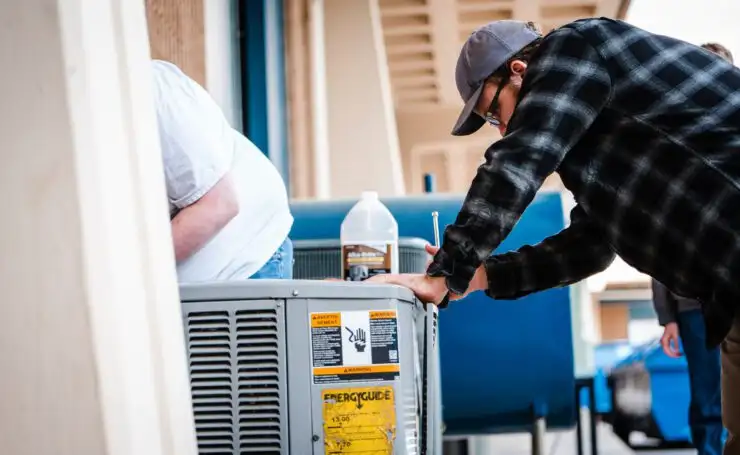
- Site Assessment and Preparation: The team arrives and reviews the job site. Technicians lay down drop cloths and floor protectors to ensure your home remains clean. They verify the correct equipment has arrived and confirm the placement of the indoor and outdoor units.
- Safety Disconnect and Reclamation: Before touching any mechanical parts, the crew shuts off gas and electrical supplies to the existing unit. Certified technicians then reclaim any refrigerant from the old air conditioning system according to EPA regulations, ensuring no harmful chemicals are released into the atmosphere.
- Removal of Existing Equipment: The old condenser, furnace, or air handler is disconnected and removed. This step often requires maneuvering heavy equipment out of attics, basements, or tight side yards. The team handles the disposal, so you are not left with debris.
- Modification and Positioning: Often, new high-efficiency units have different physical dimensions than older models. The installation team modifies the plenum (the box connecting the unit to the ducts) to ensure a perfect airtight fit. The new unit is leveled and positioned to minimize vibration and noise.
- Connection of Services: Technicians connect the refrigerant lines (line set), high and low-voltage electrical wiring, condensate drain lines, and gas piping. This is the most critical phase where adherence to local building codes is strictly enforced to prevent leaks or electrical hazards.
- System Charging and Calibration: Once connected, the system is pressure-tested with nitrogen to check for leaks. A vacuum is pulled to remove moisture from the lines before the factory-specified amount of refrigerant is added. The system is then fired up, and technicians adjust the blower speed and gas pressure to meet manufacturer specifications.
- Final Walkthrough: The lead installer walks you through the operation of the new system, including how to use the thermostat and how to change the filter.
Repair vs. Replacement: Making the Financial Decision
Deciding between repairing an aging unit and investing in a new system is a common dilemma. While a repair might seem cheaper upfront, it is often a temporary fix that leads to higher cumulative costs. Homeowners in Danville often face this choice when summer temperatures spike and older units struggle to maintain a consistent indoor climate:
- The 50% Rule: A standard industry benchmark is the 50% rule. If the cost of the repair approaches 50% of the value of a new system, replacement is the financially sound choice. Spending thousands on a compressor for a 12-year-old unit is rarely advisable because other components are likely to fail soon after.
- Age of the Equipment: The average lifespan of a central air conditioner or heat pump is 10 to 15 years. Furnaces may last slightly longer, up to 20 years. If your equipment is exceeding these age ranges, its efficiency has likely degraded significantly. Newer models offer higher SEER2 (Seasonal Energy Efficiency Ratio) ratings, which directly translate to lower monthly utility bills. Replacing a 10 SEER unit with a 16 SEER unit can reduce cooling costs by a substantial margin.
- Frequency of Breakdowns: If you have required multiple service calls in the last two years, the system is signaling the end of its reliable life. Constant repairs not only drain your wallet but also leave you vulnerable to total failure during extreme weather events.
- Refrigerant Type: Older systems utilize R-22 (Freon), which has been phased out due to environmental regulations. As supply dwindles, the cost to recharge an R-22 system has skyrocketed. Upgrading to a modern system that uses R-410A or newer refrigerants eliminates this expensive liability.
Critical Local Considerations
Operating an HVAC system in California requires adherence to strict state and local regulations. The specific climate and regulatory environment in the East Bay area influence how installations are planned and executed:
- Permitting and Inspections: Replacing an HVAC system is a construction project that requires a building permit from the local municipality. This ensures the installation meets safety standards regarding gas lines, electrical connections, and venting. A final inspection by a city official is typically required to close out the permit.
- Title 24 Energy Standards: California’s Title 24 is one of the strictest energy codes in the country. It requires verification of duct sealing to prevent leakage and proper refrigerant charge testing. In many cases, a third-party HERS (Home Energy Rating System) rater must verify the installation. Compliance ensures your system runs efficiently and is legal for resale.
- Climate-Specific Sizing: The local climate features hot, dry summers and cool, wet winters. This large temperature swing demands a system that is versatile. Unlike humid climates where moisture removal is the primary load, the dry heat here requires high sensible cooling capacity. Additionally, because nights cool down significantly, systems must be calibrated to transition efficiently or utilize "economizer" modes if available.
- Ductwork Integrity: Many homes in the area have older ductwork that may be uninsulated or leaky. Installing a high-efficiency unit on comprised ductwork defeats the purpose of the upgrade. An assessment of the distribution system is vital to ensure you get the performance you are paying for.
Why Correct Sizing and Expert Calibration Matters
The most important day in the life of your heating and cooling equipment is the day it is installed. The brand of the equipment matters less than the quality of the installation. A top-tier brand installed poorly will fail sooner and run less efficiently than a mid-tier brand installed perfectly:
- Load Calculation (Manual J): Guesswork has no place in HVAC. Technicians must perform a load calculation to determine the exact BTU capacity needed for your home. Jims Air Systems utilizes precise calculations to ensure the unit installed is neither too large nor too small. Oversized units cool the air too quickly, shutting off before they can complete a full cycle. This "short cycling" puts immense stress on the compressor and wastes energy.
- Airflow Balancing: Comfort issues, such as hot upstairs bedrooms or cold spots in the living room, are often airflow problems, not equipment problems. Professional installers adjust dampers and blower speeds to ensure even air distribution throughout the home.
- Variable Speed Technology: Modern installations often feature variable-speed motors and two-stage compressors. Unlike traditional single-stage units that run at 100% capacity or 0%, these advanced systems can ramp up or down to meet the precise cooling demand. This results in quieter operation, better temperature consistency, and significant energy savings.
Energy Efficiency and Long-Term Savings
The technology inside heating and cooling equipment has advanced rapidly in the last decade. Understanding the efficiency ratings helps you calculate the long-term cost of ownership:
- SEER2 and HSPF2 Ratings: New testing standards (SEER2 for cooling, HSPF2 for heating) provide a more accurate reflection of how units perform in real-world conditions. Higher ratings indicate higher efficiency. While high-efficiency units have a higher upfront cost, the reduction in monthly energy consumption often pays for the difference over the life of the system.
- Smart Thermostat Integration: New installations are the perfect time to upgrade to smart thermostats. These devices learn your schedule and adjust temperatures automatically to save money when you are away. They also provide remote access, allowing you to control your home's climate from your smartphone.
- Zoning Capabilities: If your home has distinct areas that require different temperatures (like a home office vs. a bedroom), zoning systems can be installed. Electronic dampers in the ductwork allow you to send conditioned air only where it is needed, further reducing energy waste.
Ensuring Air Quality and Comfort
While temperature control is the primary function, a new installation is an opportunity to improve the indoor air quality of your home. The tight construction of modern homes—or retrofitted older homes—can trap pollutants inside:
- Advanced Filtration: Standard one-inch filters often struggle to catch smaller particulates like smoke, allergens, and pet dander. During installation, media cabinets can be added to accommodate thicker, high-MERV filters that capture a much higher percentage of airborne contaminants without restricting airflow.
- Humidity Control: Even in dry climates, maintaining proper humidity levels is essential for health and the preservation of wood furniture and flooring. Whole-home humidifiers or dehumidifiers can be integrated directly into the new HVAC system to maintain optimal levels automatically.
- Noise Reduction: Newer units are designed with sound-dampening technology. Compressor blankets and swept-wing fan blades significantly reduce the decibel levels of outdoor units, making your backyard more enjoyable even when the AC is running.
Secure Your Comfort with Professional Installation
A new HVAC system is a major home improvement that impacts your daily life for the next 15 years. It requires a technical team that understands the nuances of load calculations, electrical safety, and local building codes. Do not leave your comfort to chance or risk the inefficiencies of an improper install.
By choosing a reputable provider, you ensure that your investment is protected by strong warranties and that your home remains comfortable regardless of the weather outside. Jims Air Systems is dedicated to providing high-quality, compliant, and efficient installations that stand the test of time. Schedule your HVAC installation estimate today.

Your Trusted Local AC Experts
When the summer heat hits, you need an air conditioning system you can rely on. At Jim's Air Systems, we specialize in keeping your home cool and comfortable. Whether you need an emergency repair, a seasonal tune-up, or a brand new high-efficiency air conditioner, our family is here to help.
Our Air Conditioning Services include

AC Repair
We service all makes and models, quickly diagnosing and fixing any issue.
AC Installation & Replacement
Get a perfectly sized, high-efficiency system with our owner-led design and installation process.
AC Maintenance
Prevent breakdowns and improve efficiency with our comprehensive AC tune-ups.
Signs You Needs AC Service
.svg)

Frequently Asked Questions

We recommend having your air conditioning system professionally serviced once a year, ideally in the spring, to ensure it's ready for the summer heat.
Yes! Jim’s Air Systems is a family-owned and operated business. We take pride in delivering honest, reliable service and treating our customers like family, with a strong focus on quality workmanship and long-term relationships.
A trained, licensed HVAC professional from Jim’s Air Systems will visit your home for the estimate. Our technician will assess your needs, answer your questions, and provide a clear, upfront estimate with no pressure or hidden fees.
Ready for a Cooler, More Comfortable Home?
Whether you need an emergency repair or a free estimate on a new, energy-efficient air conditioner, our family is ready to provide honest advice and expert service. Contact us today!