
Stay Warm and Save Money with Efficient Heating
Is your old heater causing discomfort during Danville’s chilly nights or contributing to high energy bills? You might be considering a more efficient heating solution, but the process of selecting and installing a new unit can feel overwhelming without the right technical guidance. Contact us to schedule a comprehensive heating assessment or ask about our flexible financing options today.
Homeowners often wait until a total system failure occurs to look for a replacement, leaving them cold and desperate for a solution. Proactive replacement eliminates this stress. When you choose a professional installation, you move from uncertainty to reliability:
- Experience immediate warmth with responsive installation services designed to minimize downtime.
- Enjoy lower energy bills with top-rated, energy-efficient heaters that reduce monthly operational costs.
- Receive full peace of mind with extensive warranty coverage and timely after-service support.
All installations are fully compliant with local building codes and include transparent financing options to fit your budget. Jims Air Systems ensures that your home returns to a comfortable temperature quickly, handling every aspect of the transition from your old unit to a high-performance system.
Quick Installation and Transparent Pricing
A heating installation is not merely dropping a new box into the garage or attic; it is a complex construction project that requires precise calculation and skilled labor. When you commission a new heating system, you are paying for a complete solution that addresses airflow, fuel efficiency, and safety. The goal is to provide a system that operates invisibly, maintaining your desired temperature without constant adjustment or noise.
Modern heating systems are significantly more advanced than models manufactured even a decade ago. High-efficiency furnaces and heat pumps utilize variable-speed technology and smart thermostat integration to deliver heat exactly where and when it is needed. This precision eliminates the "blast and drift" cycle of older units, where the house overheats and then rapidly cools down.
Your installation project covers a comprehensive scope of work. It begins with the safe disconnection and removal of the existing unit. Environmental regulations regarding the disposal of old equipment and refrigerants (if applicable for heat pumps) are strictly followed. The installation team then prepares the site, often modifying the plenum—the box connecting your furnace to the ductwork—to ensure a sealed fit for the new equipment.
Gas lines, electrical connections, and flue pipes are inspected and upgraded to meet current safety standards. An improperly sized gas line can starve a furnace, reducing its efficiency and lifespan, while compromised electrical connections pose fire hazards. The project scope includes verifying these essential infrastructure points before the new unit is ever fired up.
Pricing transparency is critical at this stage. You receive a detailed quote that outlines labor, equipment, permit fees, and necessary modifications. There are no hidden charges for "unexpected" ductwork adjustments that should have been identified during the initial assessment. The focus remains on delivering a turnkey heating solution that adds value to your property in Danville.

Our Hassle-Free Installation Process Explained
A structured approach to installation ensures that nothing is overlooked. The difference between a heater that lasts 10 years and one that lasts 20 years often comes down to the quality of the installation day. Manufacturers specify strict tolerances for airflow and static pressure; adhering to these standards is non-negotiable.
The process follows a logical sequence designed to protect your home and verify system performance:
- Site Evaluation and Load Calculation: Technicians perform a Manual J load calculation. This engineering standard determines the exact heating requirements of your home based on square footage, insulation levels, window orientation, and local climate data. Guessing the size based on the old unit is a common error that leads to short-cycling and inefficiency.
- System Selection and Proposal: Based on the load calculation, you are presented with options that fit the specific physical constraints of your home. This includes selecting between single-stage, two-stage, or modulating furnaces, or determining if a heat pump is the right application for your needs.
- Workspace Preparation: Flooring and surrounding areas are protected with drop cloths. The workspace is cleared to ensure technicians have safe access to the installation site, whether it is in a closet, attic, or crawlspace.
- Removal and Disposal: The old furnace or air handler is disconnected from utilities. Care is taken to cap gas lines and shut off electrical breakers. The unit is removed from the property and recycled according to environmental laws.
- Equipment Positioning and Connection: The new unit is leveled and secured. Leveling is vital for proper drainage of condensate (in high-efficiency models) and smooth operation of the blower motor. The unit is then connected to the supply and return plenums.
- Utility Integration: Gas piping is connected with a sediment trap to protect the gas valve. Electrical wiring is routed neatly and secured. Venting is installed using the appropriate materials (often PVC for high-efficiency units or double-wall metal for standard efficiency) to ensure dangerous combustion gases are exhausted outside.
- Commissioning and Testing: The system is turned on, and technicians measure gas pressure, temperature rise, and static pressure. Adjustments are made to the blower speed to match the ductwork capabilities. This tuning phase maximizes the AFUE (Annual Fuel Utilization Efficiency) rating of the equipment.
- Final Walkthrough: You receive a demonstration of the new thermostat and system operation. Maintenance requirements, filter changes, and warranty registration details are explained clearly.
Deciding Between Repair and Replacement: What's Best for You?
Homeowners often struggle with the decision to repair an aging unit or invest in a replacement. While repairs can seem cheaper in the short term, they often lead to higher cumulative costs over time. Understanding the tipping point helps you make a financially sound decision:
- Age of the Equipment: The average lifespan of a well-maintained furnace is 15 to 20 years, while heat pumps typically last 10 to 15 years. If your system is approaching or has exceeded these benchmarks, parts are likely becoming obsolete. A major repair on a 15-year-old unit is rarely a good investment, as other components are likely to fail soon.
- The 50% Rule: A standard industry guideline is the 50% rule. If the cost of the repair approaches 50% of the value of a new system, replacement is the smarter option. Investing half the cost of a new asset into a dying asset provides diminishing returns.
- Frequency of Breakdowns: If you have required multiple service calls in the last two seasons, the system has become unreliable. Reliability is a key factor in home comfort. The anxiety of wondering if the heat will turn on during a cold snap is a cost in itself.
- Energy Efficiency and Utility Bills: Old furnaces may operate at 60% to 70% AFUE, meaning 30 to 40 cents of every dollar you spend on gas is wasted up the flue. Modern systems start at 80% and go up to 98% efficiency. In a climate like Danville, where heating is essential during winter months, the savings on monthly utility bills can offset the monthly payment of a financed installation.
- Comfort Issues: Uneven heating, loud noises, and dry air are signs that the system’s heat exchanger or blower motor is failing. If some rooms are freezing while others are roasting, the system is no longer distributing air effectively. Replacement allows for the redesign of airflow strategies to correct these comfort imbalances.
Local Compliance and Seasonal Considerations in Danville
Operating in the East Bay requires specific knowledge of regional climate patterns and building regulations. The Mediterranean climate brings distinct challenges that generic HVAC installations often miss. While summers are hot, the winters are wet and can drop to near freezing at night:
- Title 24 Compliance: California’s Title 24 energy standards are among the strictest in the nation. Any alteration to your HVAC system triggers these requirements. This may include duct testing to ensure leakage is below a certain percentage, verifying refrigerant charge, and installing smart thermostats. Compliance is mandatory for pulling permits and closing out the job. Jims Air Systems handles all permitting and HERS (Home Energy Rating System) testing coordination to ensure your installation passes inspection.
- Gas vs. Electric Heat Pumps: California is moving toward electrification, but natural gas remains a common and effective fuel source for heating in the area. However, high-efficiency heat pumps are becoming increasingly popular due to their ability to provide both heating and cooling. In the local climate, heat pumps are highly efficient because the winter temperatures rarely drop low enough to require auxiliary resistance heating strips, which are expensive to run.
- Venting and Drainage: High-efficiency furnaces produce condensation as a byproduct of combustion. In older homes, existing drainage systems may not be set up to handle this acidic water. Local codes dictate how this condensate must be neutralized and drained. Furthermore, the flue pipes for high-efficiency units must be routed differently than older metal flues. Ensuring these runs meet local setback requirements from windows and property lines is essential for safety and code adherence.
- Seasonal Demand: The heating season typically ramps up in November and persists through March. Scheduling installation during the shoulder seasons (early fall) ensures you are prepared before the first frost. Emergency replacements during peak winter months are possible but can be avoided with planned replacement strategies.
Why Choose Us? Local Expertise and Guaranteed Satisfaction
Selecting a contractor is as important as selecting the brand of equipment. The reliability of your heating system depends heavily on the caliber of the installation. Poorly installed equipment will fail prematurely, regardless of the manufacturer’s reputation.
You need a partner who understands the specific architectural styles and construction nuances found in the area. From handling tight crawlspaces to navigating complex attic truss systems, experience matters. The focus is on delivering technical excellence without high-pressure sales tactics:
- Certified Technicians: Installers undergo rigorous training and certification to stay current with evolving HVAC technology and safety protocols.
- Comprehensive Warranties: Labor and equipment are backed by strong warranties. You are not just buying a machine; you are buying the assurance that it will work for years to come.
- Respect for Your Home: Technicians use shoe covers, floor protectors, and clean up thoroughly after the job. The only evidence of the work will be the comfortable temperature in your home.
- No Shortcuts: Every gas connection is leak-checked. Every volt is measured. Every duct connection is sealed. The job is done right the first time.
Investing in a new heating system improves your quality of life and the value of your home. Do not let another winter pass with an unreliable or inefficient unit.
Call Us Now!
Secure your home comfort today. Contact us now to schedule your heating installation estimate.
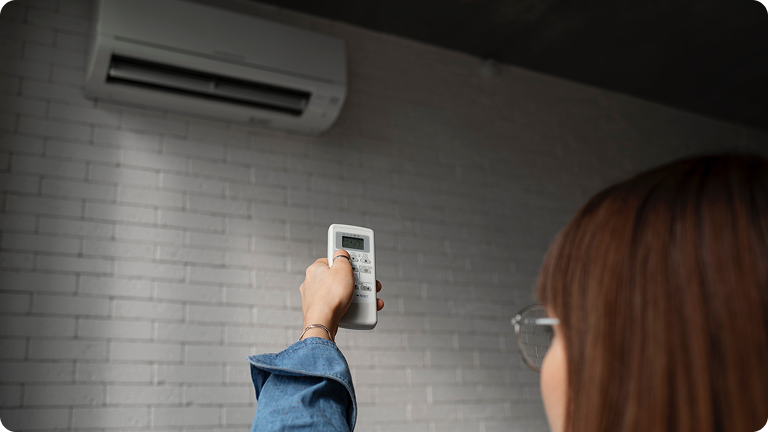

Your Trusted Local AC Experts
When the summer heat hits, you need an air conditioning system you can rely on. At Jim's Air Systems, we specialize in keeping your home cool and comfortable. Whether you need an emergency repair, a seasonal tune-up, or a brand new high-efficiency air conditioner, our family is here to help.
Our Air Conditioning Services include

AC Repair
We service all makes and models, quickly diagnosing and fixing any issue.
AC Installation & Replacement
Get a perfectly sized, high-efficiency system with our owner-led design and installation process.
AC Maintenance
Prevent breakdowns and improve efficiency with our comprehensive AC tune-ups.
Signs You Needs AC Service
.svg)
Ready for a Cooler, More Comfortable Home?
Whether you need an emergency repair or a free estimate on a new, energy-efficient air conditioner, our family is ready to provide honest advice and expert service. Contact us today!