
Is Your Heater Failing to Keep Your Home Warm?
Is your heating system not performing at its best or breaking down when you need it most, leaving your home uncomfortably cold during the damp winter months? You are not alone in facing these frustrating issues, especially when efficiency drops result in skyrocketing energy bills for homeowners in Concord. Contact us today to schedule a comprehensive inspection or inquire about our flexible financing options.
Neglecting your heating equipment often leads to unexpected failures, safety hazards, and diminished indoor air quality. Jims Air Systems provides thorough maintenance services designed to catch small issues before they become expensive repairs.
- Restore efficiency and comfort with our same-day heating maintenance availability.
- Prolong the life of your heating system through regular, expert technical check-ups.
- Prevent costly breakdowns with our comprehensive service agreements that prioritize system longevity.
Fully licensed and insured, we handle all necessary permits and offer flexible financing options to ensure your home remains safe and warm.
Comprehensive Heating Tune-Ups for Peak Performance
A heating system is a complex machine involving combustible gases, high-voltage electricity, and intricate airflow dynamics. When you request maintenance, you are securing a rigorous technical audit of the entire unit. The goal is not merely to wipe down the exterior but to calibrate the system to manufacturer specifications. This process ensures that the heat exchanger transfers thermal energy efficiently and that the blower motor moves air without unnecessary strain.
In areas like Concord, where the climate shifts from dry summers to wet winters, systems often sit idle for months. This inactivity allows dust and debris to settle on critical components. When the system is finally engaged, this debris can hamper performance or create fire hazards. A professional tune-up addresses the internal wear and tear that occurs during both operation and dormancy.

What Is Included in a Professional Service
A full-service maintenance visit involves a multi-point inspection and adjustment protocol. Technicians focus on the core components that dictate efficiency and safety.
- Heat Exchanger Analysis: The heat exchanger is inspected for cracks or corrosion. A compromised exchanger can leak carbon monoxide into the living space, making this the most critical safety check.
- Burner Assembly Cleaning: Dirty burners result in improper combustion. This leads to soot buildup, lower heating output, and wasted fuel. Technicians clean and align the burners to ensure a proper blue flame.
- Ignition System Testing: Whether your system uses a hot surface igniter or a pilot light, this component is tested for resistance and reliability. Weak igniters are a common cause of sudden system failure.
- Blower Motor Amp Draw: The electrical amperage draw of the blower motor is measured. High amperage indicates friction or resistance, often signaling a failing motor or capacitor that needs replacement before it seizes.
- Safety Control Verification: Systems have limit switches and pressure switches designed to shut the unit down if unsafe conditions are detected. These controls are tested to verify they will activate when necessary.
- Filter and Airflow Check: Standard filters are checked or replaced. More importantly, static pressure within the ductwork is evaluated to ensure the system isn't "suffocating" due to airflow restrictions.
- Thermostat Calibration: The interface between the user and the machine is checked for accuracy to ensure the temperature reading matches the actual room temperature.
The Systematic Approach to Furnace Maintenance
Proper maintenance follows a logical sequence to ensure no component is overlooked. This systematic approach ensures that the diagnosis is accurate and that the system is tuned as a cohesive unit rather than just a collection of parts.
- Visual and Audible Inspection: The process begins with the technician operating the system to listen for unusual noises—banging, rattling, or squealing—that indicate mechanical looseness or belt wear. A visual check identifies obvious signs of rust, water leaks, or disconnected wiring.
- Electrical Connection Tightening: Vibrations from normal operation can loosen electrical connections over time. Loose wires cause resistance, heat, and eventual component failure. Every connection is tightened, and wire insulation is inspected for degradation.
- Lubrication of Moving Parts: Friction is the enemy of mechanical efficiency. Bearings in motors and fans are lubricated to reduce friction, lower electricity usage, and prevent overheating.
- Gas Pressure Calibration: For gas furnaces, the manifold pressure is measured. If the pressure is too low, the house won't heat effectively. If it is too high, it stresses the heat exchanger. The valve is adjusted to the precise inches of water column specified by the manufacturer.
- Condensate Drain Clearing: High-efficiency furnaces produce condensation. If the drain lines or traps are clogged with sediment or algae, water can back up and damage the unit or the home’s flooring. These lines are flushed and cleared.
- Final Performance Test: After all adjustments, the system is run through a full heating cycle. The temperature rise (the difference between air entering and leaving the furnace) is measured to confirm it falls within the recommended range.
Deciding Between Maintenance, Repair, or Replacement
Homeowners often face the dilemma of whether to continue maintaining an aging unit or to invest in a replacement. While maintenance extends the life of a system, there is a point of diminishing returns where replacement becomes the more financially sound decision.
- The Age Factor: Most furnaces and heat pumps have a lifespan of 15 to 20 years. If your equipment is approaching or exceeding this age range, maintenance may no longer suffice to keep it running efficiently.
- Frequency of Breakdowns: If you find yourself calling for repairs multiple times in a single winter, the internal components are likely failing in succession. At this stage, maintenance is merely a bandage on a failing system.
- Rising Energy Bills: A steady increase in heating costs, despite regular usage habits, indicates that the internal efficiency of the unit has degraded significantly. If a tune-up does not restore reasonable energy consumption, the technology may be obsolete.
- The 50% Rule: A common industry guideline is the 50% rule. If the cost of a necessary repair combined with maintenance approaches 50% of the cost of a new unit, replacement is generally the better investment.
- Comfort Consistency: If some rooms are freezing while others are hot, or if the system runs constantly without reaching the set temperature, the unit may be undersized or nearing the end of its compressor/heat exchanger life.
Navigating Local Climate and Regulations
The local environment in Concord plays a significant role in how heating systems degrade and when they should be serviced. The region experiences a Mediterranean climate characterized by warm, dry summers and mild, wet winters. This distinct seasonality dictates specific maintenance needs.
- Moisture and Corrosion: The rainfall occurring typically from November through March introduces significant moisture. For heating units located in garages, attics, or crawl spaces, this humidity can accelerate rust on electrical contacts and the heat exchanger. Pre-season maintenance is essential to coat and protect these components before the rains begin.
- Microclimates and Load Calculations: Variability in temperature due to local microclimates means that a system in one part of the city might work harder than one just a few miles away. Insulation levels and exposure to wind affect heat load. Maintenance ensures the system is calibrated for the specific demands of the home's location.
- Permitting Requirements: While standard maintenance generally does not require a permit, if the inspection reveals the need for a major repair—such as replacing a heat exchanger or altering gas piping—permits become mandatory. Adhering to local building codes ensures safety and compliance for insurance purposes.
- Idle Season Impact: The dry season extending through summer means heating systems sit inactive for long periods. This dormancy allows pests to nest in flues or dust to cake onto blower wheels. Starting a system that hasn't been cleaned after a long summer can circulate burnt dust smells and potential allergens throughout the home.
Why Professional HVAC Care Matters
Attempting DIY maintenance or neglecting the system entirely leads to consequences that far outweigh the cost of a service visit. Professional intervention offers tangible benefits regarding warranty, safety, and long-term financial savings.
- Warranty Preservation: Most manufacturer warranties contain a clause requiring proof of annual maintenance by a licensed professional. If a major component fails and you cannot provide service records, the manufacturer may void the warranty, leaving you responsible for the full cost of parts.
- Safety Assurance: Carbon monoxide is odorless and colorless. A cracked heat exchanger or a back-drafting flue can be deadly. Professionals have the tools to detect minute leaks and draft issues that an untrained eye would miss.
- Energy Efficiency ROI: A tuned system moves air easier and burns fuel cleaner. The savings on monthly utility bills often offset the cost of the maintenance service itself.
- Extended Equipment Life: Reducing the strain on motors and compressors adds years to the equipment’s operational life, delaying the substantial capital expense of replacement.
When you require reliable heating services, Jims Air Systems ensures your equipment operates safely and efficiently. Do not wait for the first freeze to discover a problem.
Call Now
Secure your comfort and safety now by scheduling your heating maintenance service.
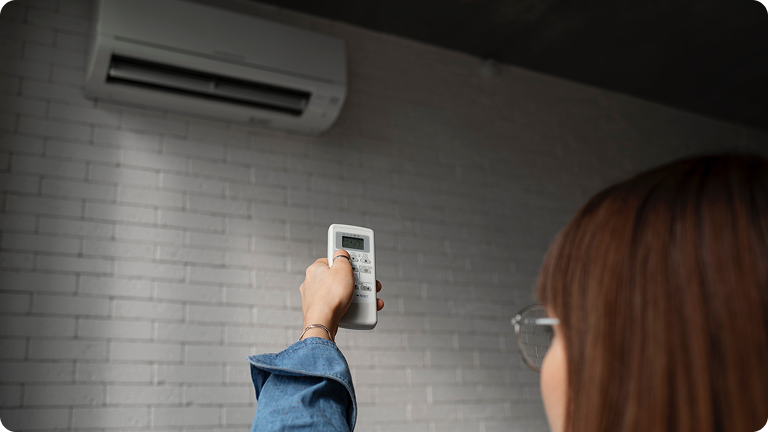

Your Trusted Local AC Experts
When the summer heat hits, you need an air conditioning system you can rely on. At Jim's Air Systems, we specialize in keeping your home cool and comfortable. Whether you need an emergency repair, a seasonal tune-up, or a brand new high-efficiency air conditioner, our family is here to help.
Our Air Conditioning Services include

AC Repair
We service all makes and models, quickly diagnosing and fixing any issue.
AC Installation & Replacement
Get a perfectly sized, high-efficiency system with our owner-led design and installation process.
AC Maintenance
Prevent breakdowns and improve efficiency with our comprehensive AC tune-ups.
Signs You Needs AC Service
.svg)
Ready for a Cooler, More Comfortable Home?
Whether you need an emergency repair or a free estimate on a new, energy-efficient air conditioner, our family is ready to provide honest advice and expert service. Contact us today!