
Restore Warmth and Efficiency to Your Home
Facing unexpected cold due to a malfunctioning furnace can be stressful, especially when temperatures drop during the night. You need a quick, reliable solution to restore warmth and comfort to your home immediately, so contact us today to schedule an assessment or discuss our flexible financing options.
When your heating system fails, waiting days for a resolution isn't an option. Homeowners in Concord need immediate results to ensure their property remains safe and comfortable. We provide a streamlined installation process designed to minimize downtime and maximize energy efficiency. Jims Air Systems is dedicated to getting your heat back on with precision and speed.
We prioritize the following outcomes for every installation:
- Rapid response capabilities to address your heating needs without unnecessary delays.
- Professional installation protocols ensuring maximum AFUE efficiency and equipment longevity.
- Flexible financing options to make the investment stress-free and financially manageable.
- Transparent communication regarding timelines, equipment selection, and safety checks.
All installations are fully licensed, compliant with local codes, and backed by a robust warranty.
Immediate Furnace Installation Services: What’s Included
When you commit to a new furnace installation, you are purchasing more than just a piece of equipment; you are investing in a comprehensive service that ensures the safety and climate control of your home for the next 15 to 20 years. A proper installation goes far beyond simply swapping out a box. It requires a holistic approach to the home's entire airflow and energy consumption profile.
Our installation service covers every technical aspect required to bring your heating system up to modern standards. This begins with the safe disconnection and environmentally responsible disposal of your existing unit. Old furnaces often contain heavy metals or refrigerants (if part of a hybrid system) that must be handled according to strict environmental regulations. We handle all logistics regarding the removal so your property is left clean.
The service also includes a thorough inspection of the plenum and immediate ductwork connections. A high-efficiency furnace cannot perform correctly if it is connected to leaking or undersized ductwork. We seal connection points to prevent air loss, which immediately translates to lower utility bills. Furthermore, we address the gas line connections and electrical wiring. Over time, vibrations can loosen electrical contacts, and gas valves can degrade. We replace or upgrade these components to ensure the new unit operates safely.
Thermostat integration and calibration are also part of the standard scope. Whether you are keeping your existing thermostat or upgrading to a smart home system, we ensure the communication between the control unit and the furnace is flawless. This includes setting up heating stages for variable-speed motors, which improves comfort by reducing temperature swings. Finally, a complete post-installation audit is performed to verify static pressure, temperature rise, and gas pressure, ensuring the unit runs exactly as the manufacturer intended.
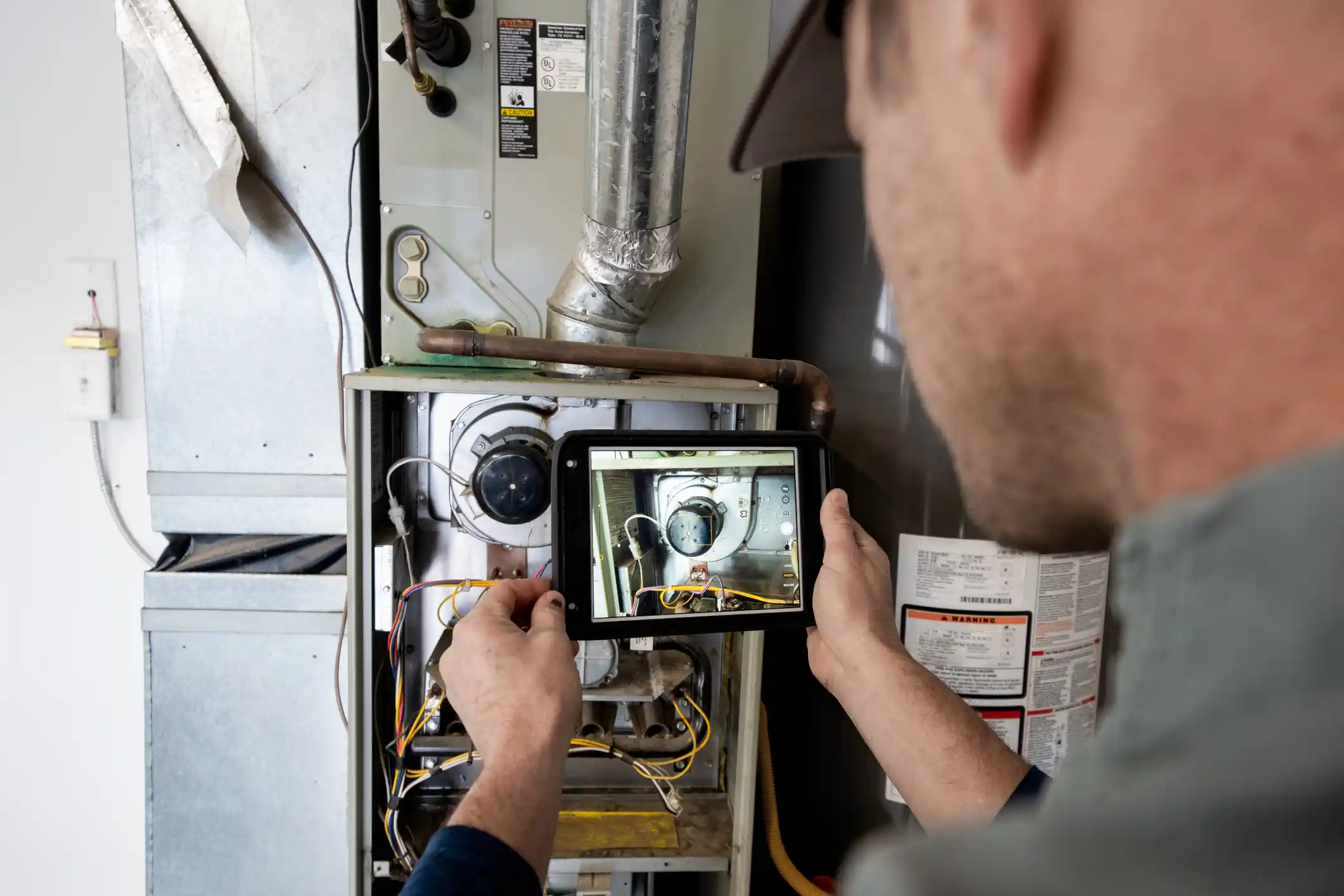
Your Step-by-Step Guide to Furnace Installation
Understanding the installation timeline helps homeowners prepare for the work and minimizes disruption to their daily routine. While every home has unique architectural challenges, a professional installation follows a rigorous, standardized procedure to ensure quality control.
The process typically unfolds in the following sequence:
Site Assessment and Sizing:
Before any equipment is ordered, a technician performs a load calculation. This is often referred to as a Manual J calculation. It accounts for the square footage, insulation levels, window quality, and local climate data. Installing a furnace that is too large will cause "short cycling," where the unit turns on and off too frequently, leading to wear and tear. A unit that is too small will run continuously without heating the home. This calculation ensures the perfect fit.
Work Area Preparation:
Technicians prepare the workspace to protect your flooring and belongings. Drop cloths are laid down, and the path to the furnace—whether in a closet, attic, or garage—is cleared. Safety switches are turned off at the breaker panel and the gas supply is shut off at the valve.
Removal of Existing Equipment:
The old unit is disconnected from the flue pipe, gas line, and electrical supply. Technicians carefully slide the unit out of position. During this stage, the area is vacuumed and cleaned to remove years of dust accumulation that might otherwise be sucked into the new system.
Positioning and Connection:
The new furnace is maneuvered into place. If the new unit has different dimensions than the old one, technicians fabricate transition fittings for the sheet metal to ensure an airtight seal with the supply and return air ducts. The flue pipe (venting) is connected and checked for proper slope to prevent carbon monoxide back-drafting.
System Commissioning:
Once gas and electric are reconnected, the system is fired up. Technicians use sensitive gauges to measure gas pressure at the manifold and adjust it to the manufacturer’s specifications. They also measure the temperature rise—the difference in air temperature entering and leaving the furnace—to confirm the heat exchanger is operating within safe limits.
Final Walkthrough:
The technician walks you through the operation of the new system, explains filter maintenance requirements, and demonstrates how to operate the thermostat. Warranty paperwork is reviewed, and the site is cleaned thoroughly.
Deciding Between Furnace Repair and Replacement
Deciding whether to sink more money into an aging unit or invest in a new system is one of the most common dilemmas homeowners face. There are objective criteria you can use to make this decision financially sound rather than emotional.
The 50% Rule:
A general industry standard is that if the cost of the repair approaches 50% of the cost of a new system, replacement is the better financial move. This is especially true if the warranty on the existing unit has expired. Spending half the cost of a new unit to fix a 15-year-old machine often leads to throwing good money after bad, as other components are likely to fail soon.
Frequency of Breakdowns:
If you have required repairs more than twice in the last two years, the system has likely reached the end of its reliability curve. Constant repairs add up quickly, not just in parts and labor, but in the inconvenience of taking time off work to meet technicians. A new system eliminates this instability.
Rising Energy Bills:
Furnaces lose efficiency as they age. A system that was 80% efficient when installed 15 years ago may now be operating at 60% efficiency due to wear, sediment buildup in the burners, or motor degradation. If your gas or electric bills are creeping up despite normal usage, your furnace is effectively wasting money. Modern furnaces typically start at 80% efficiency and can go up to 98%, meaning nearly every dollar you spend on fuel is converted into heat.
Safety Concerns:
Older furnaces, particularly those with cracked heat exchangers, pose serious safety risks regarding carbon monoxide leaks. If a technician identifies a crack in the heat exchanger, the unit must be shut down immediately. In this scenario, replacement is almost always the only viable option, as replacing a heat exchanger is nearly as expensive as a new furnace.
Uneven Heating and Noise:
If some rooms in your Concord home are freezing while others are roasting, or if the furnace groans, rattles, or pops when running, these are signs of internal mechanical failure or a failing blower motor. While these can be repaired, they are often symptoms of a system that is no longer capable of distributing air effectively.
Navigating Permits and Seasonal Advice for Concord Residents
Operating within the local regulatory framework is essential for a safe and legal installation. In Concord and the broader Contra Costa County area, replacing a furnace is considered a major alteration that requires a building permit. This is a protection for the homeowner. A permit ensures that a third-party inspector verifies the work meets safety codes, specifically regarding gas piping, electrical grounding, and exhaust venting.
California Title 24 Compliance:
California has some of the strictest energy codes in the nation. When a furnace is replaced, the installation must often comply with Title 24 requirements. This may involve testing the existing ductwork for leaks. If the leakage exceeds a certain percentage, duct sealing may be required as part of the job. This ensures that the energy-efficient furnace you just bought isn't pumping heat into your attic or crawlspace.
Rebates and Incentives:
Because California pushes for high efficiency, there are frequently rebates available for upgrading to high-AFUE furnaces or heat pumps. These can come from local utility providers or state programs. Navigating these rebates requires documentation that the equipment meets specific efficiency tiers. Professional installers assist in identifying and qualifying for these savings.
Seasonal Considerations:
While the region is known for hot summers, the winters bring a damp chill that requires reliable heating. The rainfall between November and March creates humidity that can affect how heat feels in the home. A variable-speed furnace is particularly good at managing comfort in this climate because it runs longer at lower speeds, providing consistent warmth without drying out the air aggressively.
Furthermore, the dry, dusty summers can lead to significant debris accumulation in the intake vents if the system sits idle for months. Before the first cold snap hits, it is crucial to ensure that the transition from cooling to heating is handled correctly. Installing a new unit in the "shoulder season" (fall) is often ideal, as it avoids the emergency rush of deep winter and ensures your home is prepared for the temperature drop.
Why Choose Us? Our Commitments to Excellence and Community
Selecting a service provider is about trust. You are inviting technicians into your private space to work on a system that is critical to your safety. We differentiate ourselves through technical precision and a steadfast commitment to the customer experience.
Our team focuses on technical training that goes beyond the basics. Modern heating systems utilize advanced electronics, smart sensors, and modulating gas valves. Our technicians are trained on the latest diagnostics and installation practices to ensure that high-tech equipment delivers the efficiency promised on the label. We do not use guesswork; we use data and calibrated instruments to set up your system.
Respect for your property is paramount. We utilize shoe covers, floor protectors, and a "cleaner than we found it" policy. The installation process involves moving heavy equipment and tools, but we manage the logistics to ensure your walls, door frames, and flooring remain untouched. We handle all debris removal so you are not left with packaging materials or old metal parts.
Transparency is a core value. From the initial quote to the final invoice, there are no hidden fees. We explain the scope of work clearly, including what permits are required and how the timeline will look. We believe that an informed homeowner is a satisfied homeowner. Jims Air Systems operates with the philosophy that our reputation is built one installation at a time.
Call Now
Investing in a new furnace is a significant decision that impacts your comfort and budget for years to come. By prioritizing professional sizing, compliant installation, and high-efficiency equipment, you ensure that your home remains a sanctuary against the cold. Don't wait for a total system failure to explore your options. Secure your comfort and peace of mind today.
Contact us now to schedule your comprehensive furnace consultation and upgrade your home comfort.
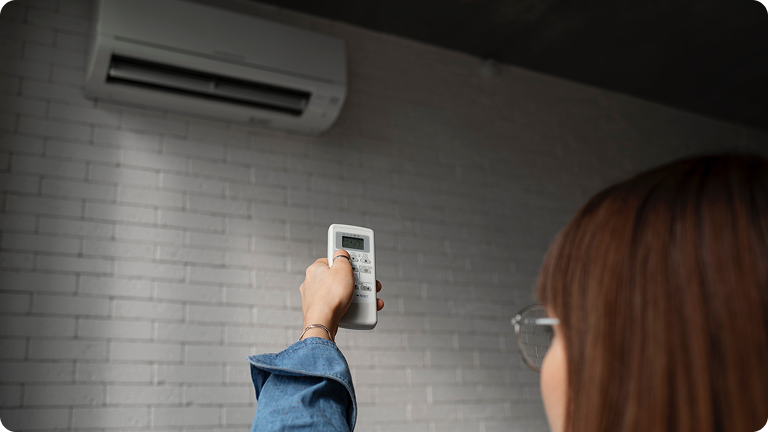

Your Trusted Local AC Experts
When the summer heat hits, you need an air conditioning system you can rely on. At Jim's Air Systems, we specialize in keeping your home cool and comfortable. Whether you need an emergency repair, a seasonal tune-up, or a brand new high-efficiency air conditioner, our family is here to help.
Our Air Conditioning Services include

AC Repair
We service all makes and models, quickly diagnosing and fixing any issue.
AC Installation & Replacement
Get a perfectly sized, high-efficiency system with our owner-led design and installation process.
AC Maintenance
Prevent breakdowns and improve efficiency with our comprehensive AC tune-ups.
Signs You Needs AC Service
.svg)
Ready for a Cooler, More Comfortable Home?
Whether you need an emergency repair or a free estimate on a new, energy-efficient air conditioner, our family is ready to provide honest advice and expert service. Contact us today!