
Furnace Installation in Walnut Creek, CA
Secure a comfortable winter with professional furnace installation in Walnut Creek. Discover efficient heating solutions with same-day service and comprehensive warranties. Learn more today!
Is Your Heating System Failing to Keep Up With Winter?
Winter chills or inefficient old systems could leave your household in discomfort right when you need warmth the most. If you are noticing cold spots, strange noises, or rapidly increasing energy bills in your Walnut Creek home, it is time to secure a permanent solution. Contact Jims Air Systems today to schedule a comprehensive assessment or to learn about our flexible financing options.
Homeowners frequently struggle with the decision to upgrade their heating infrastructure, often waiting until the system fails completely during a cold snap. A failing furnace compromises indoor air quality and wastes energy, driving up monthly utility costs significantly. Discover rapid and reliable furnace installations that bring warmth and efficiency back into your home:
- Same-day service availability allows us to tackle emergency heating needs before the house temperature drops critically.
- Transparent pricing and upfront estimates simplify your decision-making process, ensuring no financial surprises on the final invoice.
- Comprehensive manufacturer and labor warranties ensure long-term security, performance, and peace of mind for your investment.
All installations comply strictly with local building codes and come with full warranty support to protect your home.
Comprehensive Furnace Installation Solutions
When you invest in a new heating system, you are purchasing more than just a metal box; you are investing in the comfort and safety of your property for the next 15 to 20 years. Modern furnace installation involves a holistic approach to HVAC design. We evaluate the entire thermal envelope of the home to ensure the selected unit operates at peak efficiency.
The scope of a standard installation includes the removal and environmentally responsible disposal of the existing unit. Technicians handle the disconnection of gas lines and electrical wiring with precision, ensuring safety protocols are met at every step. We then prepare the installation site, which may involve leveling the surface or modifying the plenum to fit the new, more compact, or differently configured cabinet.
Current high-efficiency models, often rated with an Annual Fuel Utilization Efficiency (AFUE) of 90% or higher, require specific venting strategies. Unlike older atmospheric units that vented through a standard masonry chimney, modern condensing furnaces often use PVC piping to vent exhaust gases horizontally. Our installation process covers all necessary flue modifications to prevent back-drafting and ensure carbon monoxide is safely expelled from the residence.
Included in every full-service installation:
- Load Calculation: Precise sizing based on square footage, insulation levels, and window orientation.
- Ductwork Inspection: Checking for leaks or disconnects that could undermine the efficiency of the new unit.
- Gas Line Safety: Pressure testing gas connections to ensure zero leaks.
- Thermostat Integration: Configuring new or existing controls to communicate effectively with the new furnace logic board.

The Installation Process: What to Expect
A professional installation follows a rigorous, standardized workflow designed to minimize disruption to your daily routine while maximizing technical accuracy. The process begins long before the new unit arrives, starting with a detailed site evaluation to identify any structural or electrical challenges:
- Site Preparation and Protection: Technicians arrive with drop cloths and protective gear to ensure your flooring and surrounding areas remain clean. The workspace is cleared of debris, and gas and electrical supplies are shut off at the source. This stage is critical for safety and ensures that the removal of the old unit does not damage the surrounding infrastructure.
- System Removal and Disposal: The old furnace is disconnected from the plenum, return drops, gas lines, and flue pipes. It is then carefully maneuvered out of the utility area. We handle the hauling and recycling of the old metal and components, so you are not left with a heavy, dirty unit on your curb.
- Positioning and Connection: The new furnace is set in place. If the new unit has a different footprint than the old one, a transition piece is fabricated to seal the supply and return ducts air-tight. This is a crucial step; air leaks at the furnace connection are a primary cause of pressure loss and reduced comfort. Gas lines are reconnected using new sediment traps (drip legs) if required by code.
- Venting and Drainage: For high-efficiency condensing furnaces, a condensate drain line is installed to manage the moisture produced during the combustion process. Vent pipes are routed according to manufacturer specifications, ensuring proper slope and termination points to prevent intake of exhaust gases.
- Commissioning and Testing: Once physically installed, the system is not just turned on; it is commissioned. Technicians measure static pressure, gas manifold pressure, and temperature rise (the difference between air entering and leaving the furnace). These adjustments maximize the lifespan of the heat exchanger and ensure the system runs quietly.
Replacing vs. Repairing Your Heating Unit
Determining whether to repair an aging unit or invest in a new system is a financial and logical calculation. While repairs may seem cheaper upfront, they can be a sunk cost if the unit is nearing the end of its useful life. In Walnut Creek, where winters are wet and chilly, reliability is the primary variable.
A replacement is generally the superior financial move if the current equipment is over 15 years old. At this age, internal components like the heat exchanger or blower motor are prone to fatigue failure. A cracked heat exchanger, for instance, is a non-negotiable safety hazard that requires immediate replacement of the furnace.
Consider the "50% Rule" as a decision-making framework. If the cost of the repair approaches 50% of the cost of a brand-new system, replacement is the smarter investment. You not only avoid the immediate repair bill but also reset the clock on warranties and gain access to modern energy efficiency.
Efficiency gains also drive the decision. Replacing a 20-year-old furnace with a 70% AFUE rating with a modern 96% AFUE model can result in substantial savings on monthly utility bills. The new system utilizes almost all the fuel it consumes to create heat, whereas the old system wastes 30 cents of every dollar sending heat up the chimney:
- Frequent Cycles: If the unit turns on and off constantly (short-cycling) without reaching the set temperature, internal sensors or the blower motor may be failing.
- Rising Noise Levels: Squealing, banging, or rattling indicates loose or broken mechanical parts that are often expensive to fix individually.
- Uneven Heating: If some rooms are freezing while others are hot, the furnace may no longer have the compression or blower power to distribute air effectively through the ductwork.
Critical Considerations for Local Homeowners
Operating a furnace in the Walnut Creek area requires specific attention to regional climate patterns and regulations. The Mediterranean climate brings mild, wet winters, with the bulk of rainfall occurring between November and March. This humidity can impact HVAC performance if the system is not properly calibrated:
- Humidity Control: During the rainy season, cold damp air can make your home feel colder than the thermostat reads. A modern furnace installation often pairs well with humidity control solutions or variable-speed blowers that circulate air more effectively, removing that "clammy" feeling from the home environment.
- Permits and Title 24 Compliance: California has some of the strictest building codes in the nation regarding energy efficiency. Any furnace alteration or replacement requires a permit. This ensures the installation meets safety standards for gas piping, electrical grounding, and venting. Furthermore, Title 24 regulations may require duct sealing verification to ensure air isn't leaking into unconditioned spaces like attics or crawlspaces. We handle the permitting process, ensuring your installation passes all municipal inspections.
- Gas Infrastructure: Most homes in the region utilize natural gas. Jims Air Systems technicians meticulously check the integrity of gas lines during installation. We ensure that the gas pressure delivered to the new unit matches the manufacturer’s requirements, which prevents soot buildup and ensures clean combustion.
Why Professional Sizing Matters
One of the most common issues we encounter with premature furnace failure is improper sizing during the initial install. "Sizing" does not refer to the physical dimensions of the metal box, but rather the British Thermal Unit (BTU) output capacity of the system relative to the home's heating load.
Many homeowners assume that a bigger furnace is better. However, an oversized furnace is detrimental to comfort and efficiency. An oversized unit will heat the air too quickly, satisfying the thermostat and shutting off before the heat has a chance to permeate the walls and furniture. This leads to "short cycling," where the unit turns on and off rapidly. This places immense stress on the igniter and blower motor, causing them to fail years earlier than they should.
Conversely, an undersized furnace will run continuously on cold nights, never reaching the desired temperature. This results in excessive wear and tear and skyrocketing energy bills.
We utilize Manual J load calculation protocols to determine exactly how much heat your specific home requires. This calculation accounts for:
- Insulation Values: The R-value of insulation in walls, attics, and floors.
- Window Quality: Single-pane vs. double-pane, and the direction they face.
- Air Leakage: How tight the home's envelope is.
- Internal Loads: Heat generated by appliances and occupants.
By strictly adhering to these engineering standards, we ensure the installed unit provides consistent, even heat, runs for long, efficient cycles, and operates quietly in the background.
Securing Your Home Comfort
The decision to install a new furnace impacts your home’s comfort, safety, and energy efficiency for decades. Navigating the options between single-stage, two-stage, and modulating furnaces requires technical expertise and a clear understanding of your specific heating needs. Do not wait until the middle of a January storm to address an aging or failing system. Proactive replacement grants you the time to choose the right model and schedule the installation at your convenience.
Ensure your home remains a sanctuary against the cold with a professional installation that prioritizes safety and performance. Contact us today to secure your installation date and experience the difference of a perfectly sized, expertly installed heating system.
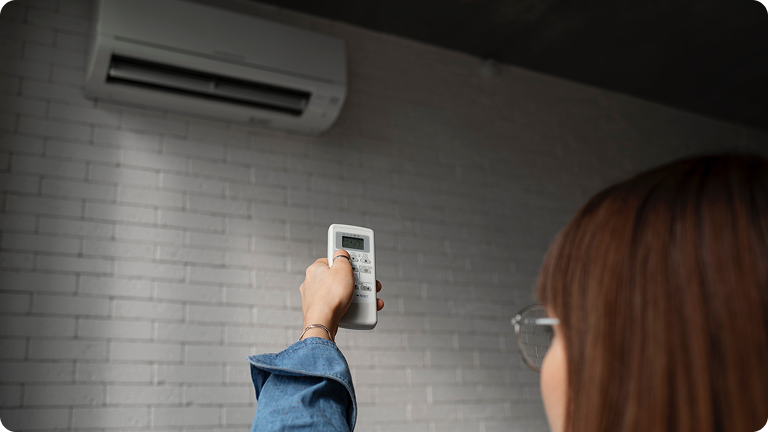

Your Trusted Local AC Experts
When the summer heat hits, you need an air conditioning system you can rely on. At Jim's Air Systems, we specialize in keeping your home cool and comfortable. Whether you need an emergency repair, a seasonal tune-up, or a brand new high-efficiency air conditioner, our family is here to help.
Our Air Conditioning Services include

AC Repair
We service all makes and models, quickly diagnosing and fixing any issue.
AC Installation & Replacement
Get a perfectly sized, high-efficiency system with our owner-led design and installation process.
AC Maintenance
Prevent breakdowns and improve efficiency with our comprehensive AC tune-ups.
Signs You Needs AC Service
.svg)
Ready for a Cooler, More Comfortable Home?
Whether you need an emergency repair or a free estimate on a new, energy-efficient air conditioner, our family is ready to provide honest advice and expert service. Contact us today!