
Furnace Installation in Brentwood, CA
Need reliable furnace installation in Brentwood? Experience fast, safe, and efficient service with our certified technicians. Call us today for a free consultation and ensure your home stays warm!
Need a fast furnace setup? Your solution is here.
Struggling with a broken or inefficient furnace in Brentwood? Experience the warmth and comfort you deserve with our expert installation services at Jims Air Systems. Contact us today to schedule your consultation or call 925-584-2634 for immediate assistance with financing options.
- Rapid, same-day installation ensures you’re not left in the cold.
- Licensed and experienced technicians who get it right the first time.
- Competitive pricing with free estimates to plan your investment.
Backed by full warranties and comprehensive service agreements, all at transparent prices.
What You Can Expect From Our Installation Services
When your heating system fails or requires an upgrade, the goal is to restore comfort to your home immediately without compromising on safety or efficiency. Modern furnace installation is about more than simply swapping out a box; it requires a comprehensive approach to ensures the new equipment communicates correctly with your existing ductwork and thermostat. We focus on delivering a seamless transition from your old unit to a high-efficiency model that lowers utility costs and improves indoor air quality.
Homeowners receive a complete assessment before any work begins. This ensures that the unit selected matches the specific heating load requirements of the property. Installing a unit that is too large causes "short cycling," leading to wear and tear, while a unit that is too small will run continuously without ever reaching the set temperature. The service includes the safe disconnection of gas lines, removal and disposal of the old equipment, and a rigorous commissioning process for the new system. You receive a fully functional heating solution that is compliant with all safety standards and ready to handle the wet, chilly weeks typical of local winters.

The Furnace Installation Process: Step-by-Step
A professional installation follows a strict protocol to ensure longevity and safety. Shortcuts during this phase often lead to premature failure or safety hazards like carbon monoxide leaks. The process is designed to be efficient, respectful of your property, and transparent.
- Site Assessment and Load Calculation: Technicians begin by performing a Manual J load calculation. This mathematical formula considers the square footage, insulation levels, window types, and local climate data to determine the exact BTU output required. This step eliminates the guesswork that often leads to efficiency problems.
- Safe Removal of Existing Equipment: The team shuts off gas and electrical supplies to the existing furnace. The old unit is disconnected, and the area is inspected for any pre-existing issues such as mold, dust buildup, or damage to the plenum. The old unit is hauled away for proper recycling or disposal, ensuring your home remains clean.
- System Positioning and Connection: The new furnace is positioned and leveled to ensure proper drainage for condensing models. Technicians connect the gas line, electrical wiring, and flue pipes. Special attention is paid to the venting system to ensure exhaust gases are expelled safely outside the home, adhering to strict building codes.
- Ductwork and Airflow Integration: The supply and return plenums are sealed to the new unit. If necessary, transitions are fabricated to ensure an airtight fit. Proper airflow is verified to prevent pressure imbalances that can strain the blower motor or cause uneven heating in different rooms.
- Commissioning and Calibration: Once connected, the system is not just turned on; it is calibrated. Technicians adjust the gas pressure to the manufacturer’s specifications and measure the temperature rise—the difference between the air entering and leaving the furnace—to confirm it falls within the rated range.
- Final Walkthrough: The process concludes with a demonstration of the new system. You learn how to operate the thermostat, how to change the filter, and what maintenance sounds or signs to watch for.
When to Replace Your Heating System vs. Repair It
Deciding between another repair bill and a full replacement is a common dilemma. While repairs are often cheaper upfront, they can become a financial drain if the system is nearing the end of its lifespan. Understanding the tipping point helps you make a financially sound decision.
- The 50% Rule: Industry experts often cite the 50% rule: if the cost of the repair approaches 50% of the value of a new system, replacement is generally the smarter investment. A new system resets the warranty clock and offers immediate energy savings, whereas a repair only fixes the immediate symptom of an aging unit.
- Age of the Equipment: Furnaces typically last between 15 and 20 years. If your unit is over 15 years old, parts may be becoming obsolete or expensive to source. Even if it runs, efficiency degrades over time. A 15-year-old furnace may operate at 60-70% AFUE (Annual Fuel Utilization Efficiency), meaning 30-40 cents of every dollar spent on gas is wasted. New models often exceed 95% AFUE.
- Rising Energy Bills: If your usage habits haven’t changed but your heating bills are climbing, the furnace is likely losing efficiency. Internal components wear down, friction increases in the motor, and heat exchangers can develop hairline cracks or soot buildup that impedes heat transfer.
- Frequency of Breakdowns: If you have called for service more than twice in the last two years, the system is unreliable. "Frankenstein" repairs—where multiple new parts are put into an old chassis—rarely last long. Constant breakdowns also pose a risk of failure during the coldest days of the year when you need heat the most.
- Safety Concerns: Older furnaces, particularly those with cracked heat exchangers, pose a risk of carbon monoxide poisoning. If a technician flags a heat exchanger issue, replacement is almost always the only safe option, as welding or patching these components is not code-compliant or safe.
Local Considerations: Permits, Climate, and Codes
Operating in the Brentwood area requires specific knowledge of regional building codes and climate demands. While summers are hot and dry, the winters bring mild but wet conditions, with the bulk of rainfall occurring in December and January. This moisture can impact venting systems and requires specific installation practices to prevent rust and corrosion in intake pipes.
- Permitting and Inspections: Furnace installations involve gas lines and high-voltage electricity, making them subject to strict local building codes. A permit is required for installation to ensure the work meets safety standards. Professional installers handle the permit application and schedule the required municipal inspections, ensuring you avoid fines or issues when selling your home in the future.
- Title 24 and Environmental Standards: California has some of the strictest energy codes in the country. Jims Air Systems ensures that all installations comply with Title 24 energy efficiency standards. This includes duct testing to ensure leakage is below allowed limits and verifying that the thermostat meets smart control requirements.
- Rebate Eligibility: California Energy Commission initiatives and local utility providers often offer rebates for upgrading to high-efficiency appliances. To qualify, the equipment must meet specific AFUE ratings and be installed by a licensed contractor. Documentation provided after installation serves as proof for these claims, potentially saving you hundreds or thousands of dollars.
- Low NOx Requirements: Regional air quality management districts mandate "Low NOx" or "Ultra-Low NOx" furnaces to reduce nitrogen oxide emissions. Installing a non-compliant unit is illegal and can lead to immediate red-tagging of the system. We ensure every unit installed meets these specific environmental mandates.
Choosing the Right Furnace Technology
Modern heating technology offers various levels of comfort and efficiency. Understanding the differences helps in selecting a unit that fits your budget and comfort needs.
- Single-Stage Furnaces: This is the most basic and affordable option. The furnace has only one setting: high. When the thermostat calls for heat, it blasts at 100% capacity until the target temperature is reached, then shuts off. This can lead to temperature swings and louder operation but is a reliable, lower-cost solution.
- Two-Stage Furnaces: These units have a low and a high setting. For about 80% of the winter, the furnace runs on the low setting, which is quieter and maintains a more consistent temperature. The high setting only kicks in during extreme cold snaps. This reduces energy consumption and improves comfort.
- Modulating Furnaces: The most advanced option, modulating furnaces can adjust their heat output in roughly 1% increments. They run almost continuously at very low levels, keeping the indoor temperature precisely at the set point without fluctuation. This is the most energy-efficient option and offers the quietest operation.
- Variable Speed Blowers: Regardless of the gas valve type (single, two-stage, or modulating), the blower motor plays a huge role in comfort. Variable speed motors control airflow precisely, helping to remove humidity in the summer (when used with AC) and reducing the "blast of cold air" feeling when the furnace first starts up.
The Importance of Professional Ductwork Inspection
A new furnace cannot perform efficiently if the ductwork is compromised. Leaky ducts can lose up to 30% of the heated air into the attic or crawlspace before it ever reaches your living rooms. During the installation process, assessing the condition of the air distribution system is vital.
- Static Pressure Testing: High static pressure is like high blood pressure for your furnace. It forces the blower motor to work harder, shortening its lifespan and increasing noise. If the existing ducts are too small for the new, powerful furnace, modifications may be necessary to allow the system to "breathe" correctly.
- Sealing and Insulation: Accessible ductwork should be inspected for disconnected joints or deteriorated insulation. Sealing leaks improves the overall system pressure and ensures that the heat you pay for is delivered to the rooms where you need it.
- Return Air Evaluation: Many older homes have insufficient return air pathways. If the furnace cannot pull enough air in, it cannot push enough warm air out. Adding or enlarging return grilles helps balance the system, reducing hot and cold spots throughout the house.
Post-Installation Support and Warranties
Investing in a new heating system is a significant commitment, and protection for that investment is paramount. Professional installation comes with layers of protection that DIY or handyman work cannot provide.
- Manufacturer Warranties: Major furnace brands offer warranties that cover parts, typically ranging from 10 years on general components to 20 years or lifetime on the heat exchanger. However, these warranties are only valid if the system is installed by a licensed professional and registered within a specific timeframe. We ensure all registration paperwork is filed correctly.
- Labor Warranties: While the manufacturer covers the parts, the labor warranty covers the workmanship. If a connection comes loose or a sensor requires adjustment in the first year or more, this is covered without additional cost to you. This guarantees that the system works as promised.
- Maintenance Plans: To keep warranties active, manufacturers require annual maintenance. Signing up for a scheduled maintenance plan ensures the heat exchanger is inspected, filters are changed, and safety controls are tested every season. This proactive approach prevents emergency breakdowns and extends the life of the equipment.
Secure Your Home Comfort Today
A reliable heating system is the backbone of a comfortable home during the winter months. Delaying replacement often leads to higher energy bills, decreased comfort, and the stress of potential emergency failures. By choosing a professional team, you ensure that every aspect of the project, from load calculation to final calibration, is handled with precision and care.
Ensure your home remains warm and efficient for years to come with Jims Air Systems.
Get a Free Estimate for Your Furnace Installation
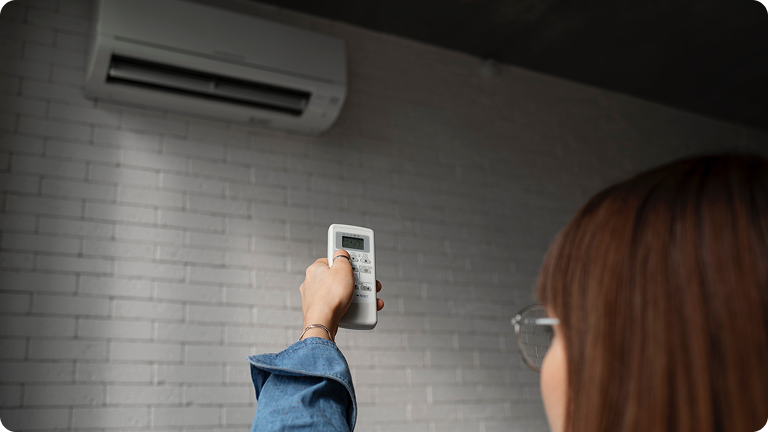

Your Trusted Local AC Experts
When the summer heat hits, you need an air conditioning system you can rely on. At Jim's Air Systems, we specialize in keeping your home cool and comfortable. Whether you need an emergency repair, a seasonal tune-up, or a brand new high-efficiency air conditioner, our family is here to help.
Our Air Conditioning Services include

AC Repair
We service all makes and models, quickly diagnosing and fixing any issue.
AC Installation & Replacement
Get a perfectly sized, high-efficiency system with our owner-led design and installation process.
AC Maintenance
Prevent breakdowns and improve efficiency with our comprehensive AC tune-ups.
Signs You Needs AC Service
.svg)
Ready for a Cooler, More Comfortable Home?
Whether you need an emergency repair or a free estimate on a new, energy-efficient air conditioner, our family is ready to provide honest advice and expert service. Contact us today!